Trump Asserts Tariff Authority After Court Ruling
Donald Trump asserts his "absolute right" to impose new tariffs, criticizing a Supreme Court ruling while claiming broader tariff authority.
Cuneyd Erdogan ·
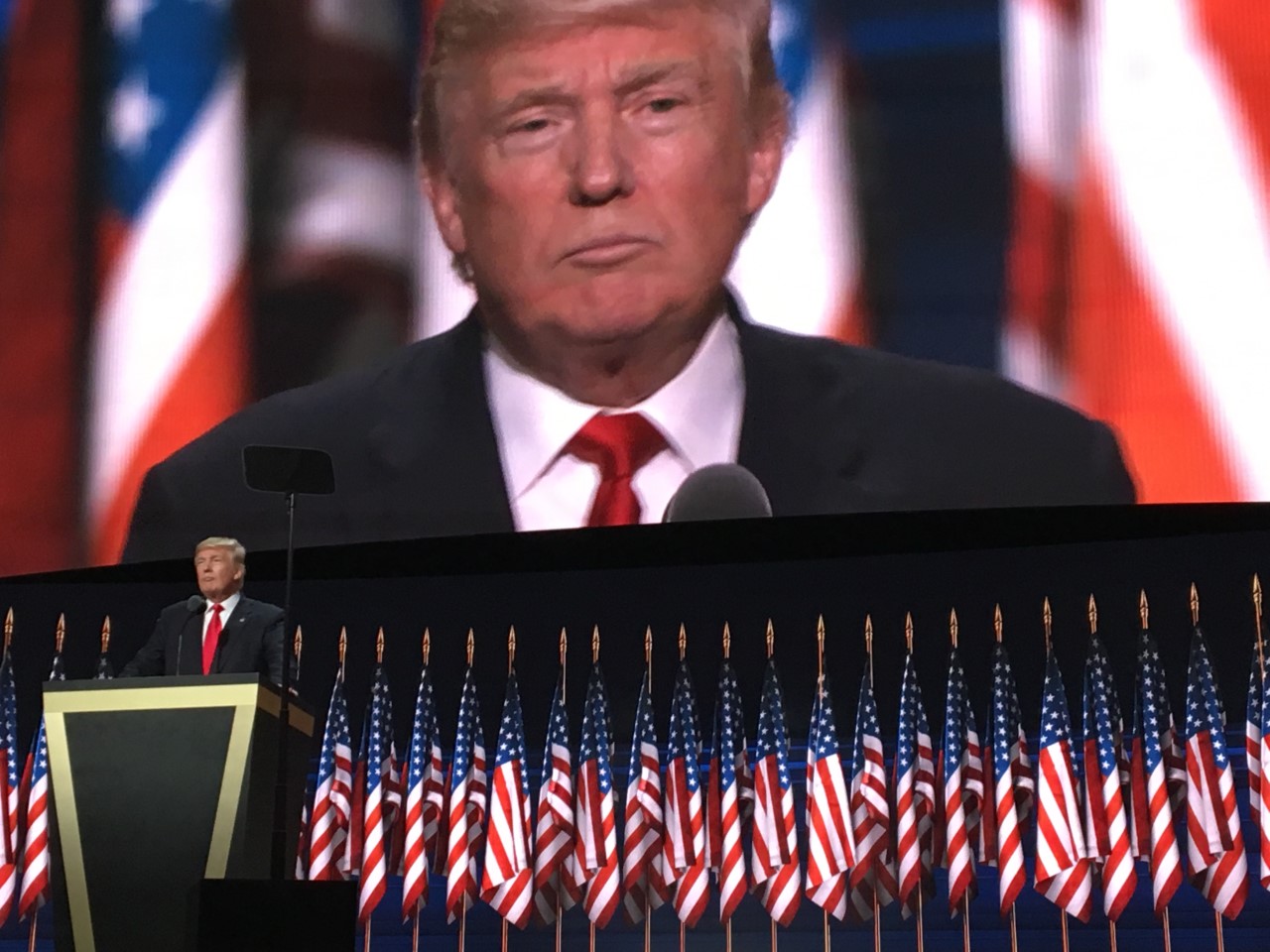
Former President Donald Trump recently asserted his "absolute right" to implement new tariffs, following a Supreme Court decision that invalidated several import duties imposed during his previous administration. This declaration was made via a late-night social media post, where Trump criticized the court's ruling while simultaneously claiming its acknowledgment of his broader tariff authority.
Trump's statement suggests a continued focus on trade protectionism, a hallmark of his economic policy during his presidency. He indicated that while specific past tariffs were deemed unlawful, the court's decision left avenues open for him to pursue similar trade measures through alternative mechanisms.
Judicial Review of Trade Policy
The Supreme Court's ruling, which Trump referenced, addressed the legality of certain tariffs enacted under his administration. These tariffs, often imposed under national security pretexts, faced legal challenges regarding the scope of presidential power in trade matters. The court's decision underscored the judiciary's role in reviewing executive actions, even in areas traditionally associated with presidential discretion.
Historically, presidents have wielded significant authority in setting trade policy, particularly through statutes like Section 232 of the Trade Expansion Act of 1962, which allows for tariffs on imports deemed a threat to national security. However, the specific application and extent of this power have been subject to ongoing legal interpretation and debate.
Economic and Political Context
Trump's renewed emphasis on tariffs comes amidst ongoing global trade tensions and domestic economic considerations. Tariffs are often employed as a tool to protect domestic industries, address trade imbalances, or exert pressure on trading partners. However, they can also lead to retaliatory measures, increased consumer costs, and disruptions in global supply chains.
The political implications of such statements are significant, particularly as the United States approaches another election cycle. Trade policy remains a key issue for voters, and candidates often differentiate themselves through their stances on international trade agreements and protectionist measures. Trump's consistent advocacy for tariffs resonates with a segment of the electorate that prioritizes domestic manufacturing and perceives foreign trade practices as unfair.
Future Trade Policy Outlook
The former president's comments signal a potential return to aggressive trade policies if he were to regain office. This could involve a re-evaluation of existing trade agreements, the imposition of new import duties on various goods, and a more confrontational approach to international trade relations. Such a shift would likely have broad implications for global markets, international diplomacy, and the competitiveness of various industries.
Businesses and international partners would need to prepare for potential disruptions and adjustments to trade flows. The legal framework surrounding presidential tariff authority would also likely face renewed scrutiny and potential challenges, setting the stage for further judicial and legislative debates over the balance of power in trade policy.
Implications
Country Impact: The United States could see a shift towards more protectionist trade policies, potentially impacting domestic industries and consumer prices. International trade relations may become more strained, leading to retaliatory measures from trading partners.
Industry Impact: Industries reliant on global supply chains or export markets could face increased uncertainty and costs due to potential new tariffs. Domestic industries competing with imports might see temporary benefits, but also risk higher input costs.
Market Impact: Global financial markets could react to increased trade tensions with volatility, particularly in sectors sensitive to international trade. Currency markets might also experience fluctuations based on perceived shifts in trade policy.