Myanmar Parliament Convenes Amidst Political Tensions
Myanmar's pro-military parliament convened on February 1, 2021, following the NLD's landslide election victory, amidst military fraud claims.
Cuneyd Erdogan ·
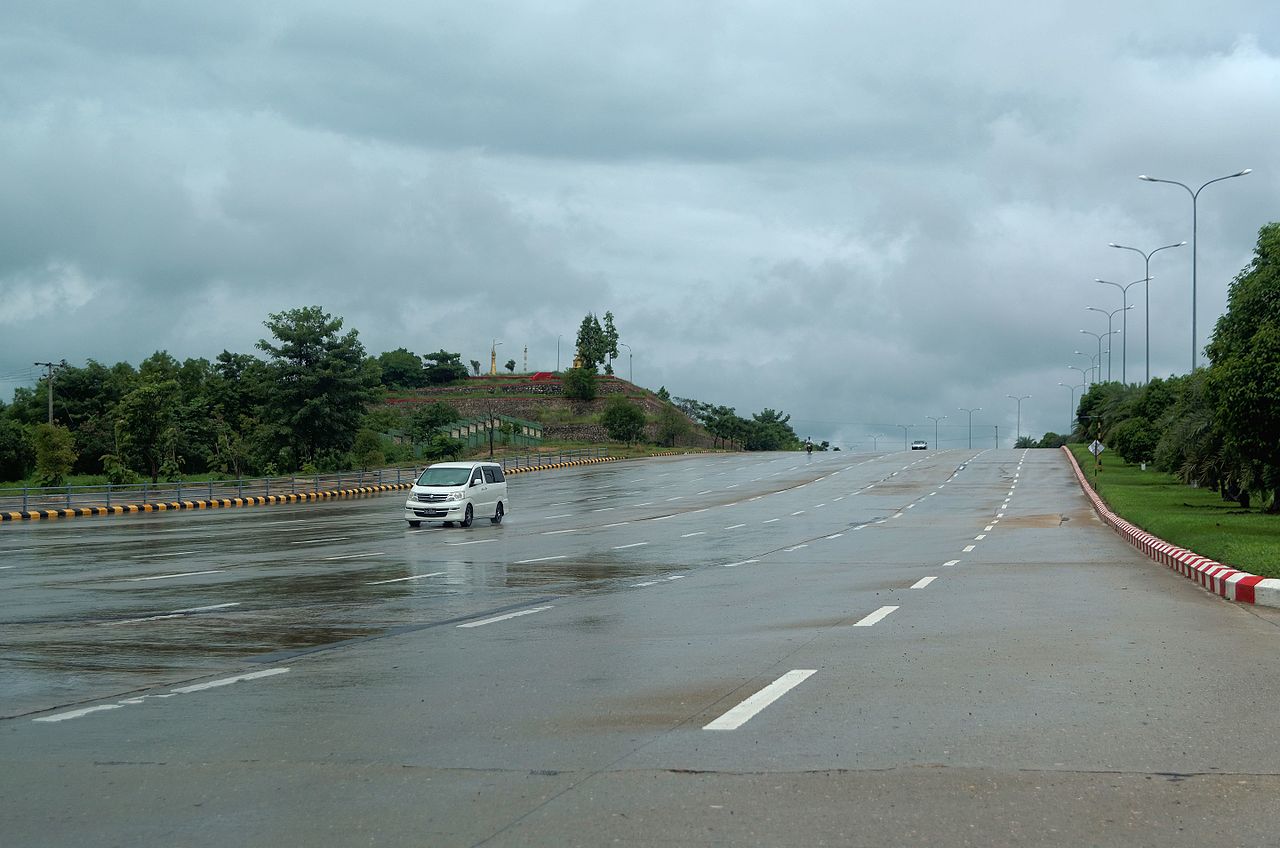
Myanmar's parliament, dominated by the pro-military Union Solidarity and Development Party (USDP), convened for its first session in five years on February 1, 2021. This assembly followed a general election held in November 2020, which saw the National League for Democracy (NLD) secure a significant majority. The parliamentary session was scheduled to confirm the election results and initiate the process of forming a new government.
Political Landscape and Election Results
The military, through its constitutional provisions, holds 25% of all parliamentary seats, granting it significant power regardless of election outcomes. This reserved bloc allows the military to veto constitutional changes and maintain a substantial political presence. The USDP, while not directly the military, is closely aligned with its interests.
Military's Allegations of Voter Fraud
These allegations created a tense political atmosphere, with the military refusing to rule out taking action if its concerns were not addressed. International bodies and several countries urged all parties to respect the election results and uphold democratic processes.
Constitutional Framework and Power Dynamics
The convening of parliament was a critical step in the country's democratic transition, albeit one overshadowed by the military's escalating rhetoric. The NLD's mandate from the electorate was clear, but the military's refusal to accept the results posed a significant challenge to the peaceful transfer of power.
International Reactions and Concerns
The situation highlighted the fragility of Myanmar's nascent democracy and the persistent influence of the military in civilian affairs. The parliamentary session was intended to be a formal step towards a new government, but it instead became a focal point for the deepening political crisis.
Implications
Country Impact: The political instability in Myanmar could lead to a reversal of democratic gains and increased authoritarian rule. This could further isolate the country internationally and exacerbate internal conflicts.
Industry Impact: Uncertainty surrounding governance and policy stability could deter foreign investment, particularly in sectors like energy, manufacturing, and infrastructure. This would hinder economic development and job creation.
Market Impact: Global markets may react with caution, potentially impacting foreign direct investment flows into Myanmar. The political risk premium for assets associated with the country could rise, affecting bond yields and currency stability.