Diamond Prices Plunge to Record Low Amid Market Shift
Diamond prices hit a historic low, down over 50% from early 2022, as lab-grown competition and weaker demand reshape the market.
Atlas Newsdesk ·
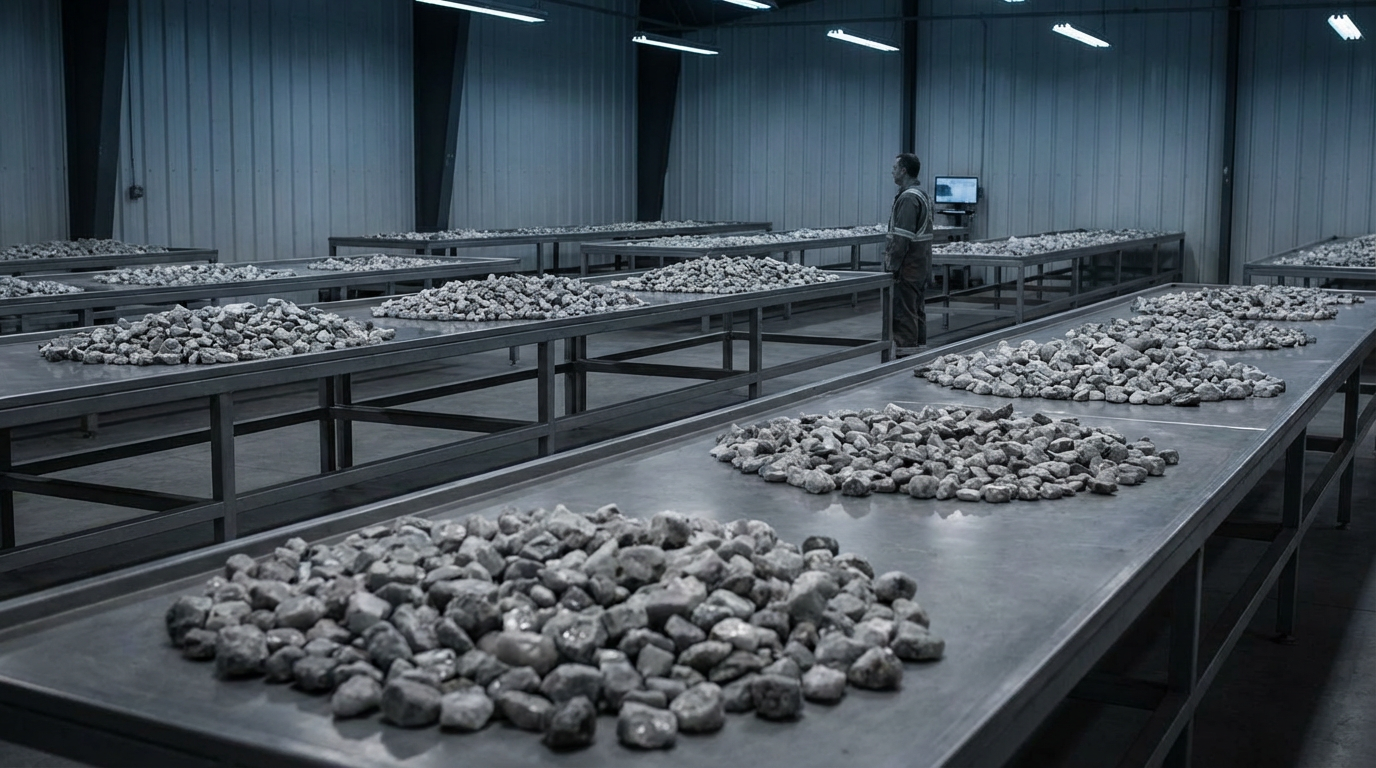
Natural diamond prices have dropped to a historic low , sliding more than 50% from their post-pandemic high in early 2022 as the market adjusts to new competition and weaker economic conditions.
The decline follows a short, sharp upswing in demand during the pandemic that pushed prices to record levels. After that surge faded, the correction deepened, with major indexes that track rough diamond values showing a persistent fall through 2023 and into 2024. The move has reshaped expectations across the supply chain, from miners to cutters, traders, and jewelry retailers.
A central force behind the shift has been the rapid expansion of lab-grown diamonds. These stones are described as physically and chemically identical to mined diamonds, but they can be produced in weeks and typically sell for far less. The source material says lab-grown diamonds often retail at a discount of 75% or more, a pricing gap that has accelerated consumer adoption and intensified competitive pressure on natural stones.
Demand dynamics have also changed as lab-grown products gain traction in key categories, including engagement rings. The source material says acceptance has been especially strong among younger buyers, who are drawn to lower prices and marketing that presents lab-grown gems as a more sustainable option.
That shift has challenged the traditional scarcity-based positioning of natural diamonds and created what the source describes as a supply-side shock for an industry that was not prepared for the speed and scale of the disruption.
Macroeconomic conditions have added to the pressure. Slowing growth in China, described as a critical luxury market, has weighed on consumer appetite. In the United States and Europe, high inflation and rising interest rates have reduced discretionary spending on expensive items such as jewelry, reinforcing the downturn in natural diamond pricing.
Industry responses have been significant. De Beers has cut prices on rough diamonds and increased marketing aimed at distinguishing natural stones, including a revival of the “A Diamond Is Forever” slogan to emphasize emotional and long-term value. Other mining companies have held back supply in an effort to support the market, according to the source material.
Trade and policy have also complicated the picture. The source material says G7 sanctions targeting Russian diamonds from miner Alrosa have disrupted established supply chains, adding operational complexity for global traders. With prices at record lows and competition intensifying, the sector is described as being at a crossroads, with future stability tied to whether these strategic moves can reposition natural diamonds in a market that has structurally changed.