Chris Taylor Wins Wisconsin Supreme Court Seat to Establish 4-3 Liberal Majority
Chris Taylor wins a Wisconsin Supreme Court seat on April 2, 2024, shifting the court to a 4-3 liberal majority after a high-turnout vote.
Lauren Collins ·
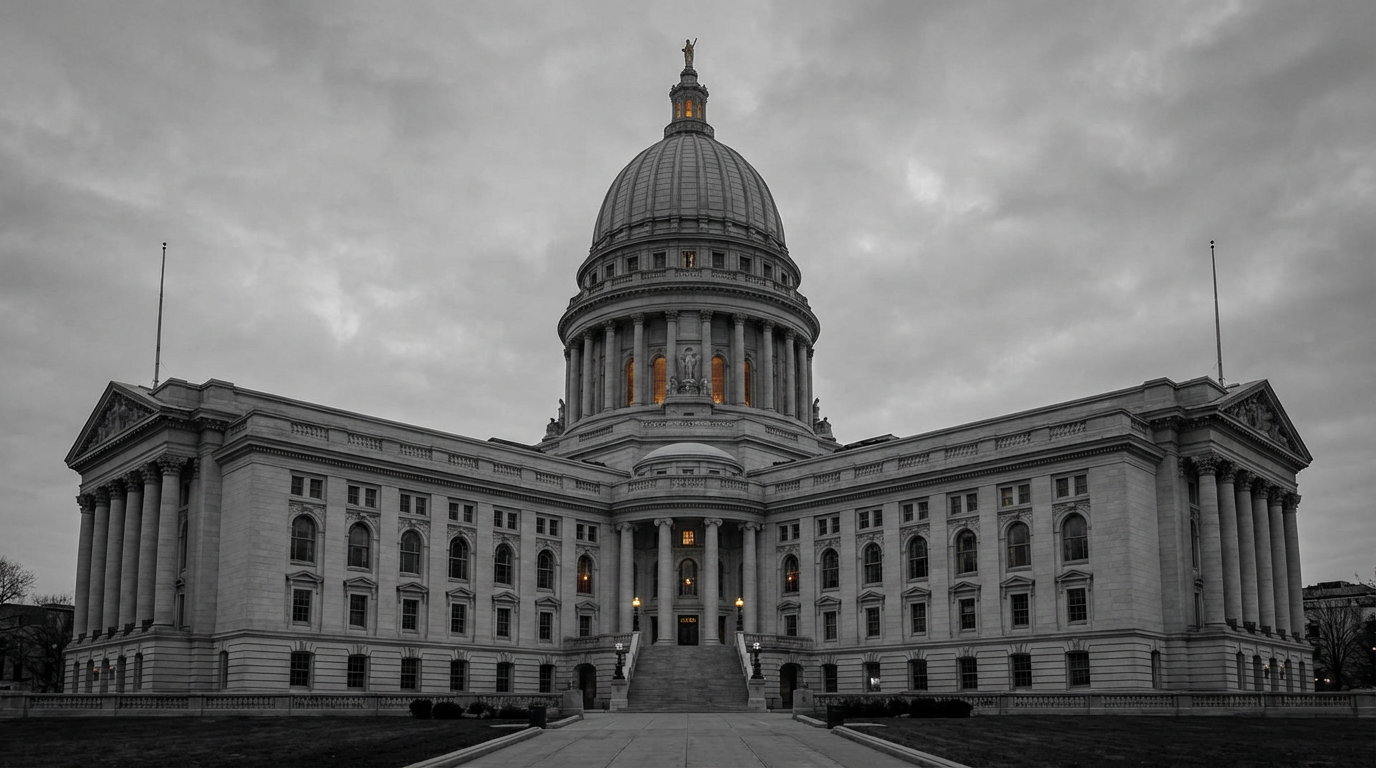
Chris Taylor , a Democrat-backed candidate, won a seat on the Wisconsin Supreme Court on Tuesday, April 2, 2024, changing the ideological balance of the state’s highest court and expanding its liberal bloc.
Election results showed Taylor received 54.6% of the vote, defeating conservative opponent Maria Lazar , who took 45.4% . Officials reported turnout of about 2.1 million voters, which was described as roughly 45% of eligible voters in Wisconsin.
The win alters the makeup of the seven-member court to a 4-3 liberal majority . That represents a reversal from the prior 3-4 conservative majority , shifting control of the court’s direction on closely contested legal questions that can hinge on a single seat.
Supporters of the result said the new balance could shape how the court approaches upcoming disputes in Wisconsin. The issues most frequently cited around the race included voting rights , abortion access , and legislative redistricting , all areas where state supreme courts can play a decisive role in interpreting state law and reviewing challenges to government actions.
Taylor’s campaign messaging focused on judicial independence and protecting democratic processes , positions described as aligning with the Democratic platform in Wisconsin. The contest was framed as consequential because the court’s rulings can affect election administration, the boundaries of legislative districts, and the legal landscape for reproductive rights within the state.
Beyond Wisconsin, the outcome is being watched because state-level judicial decisions can carry broader political and market relevance. Changes in election rules and district maps can influence the policy environment that businesses and investors track, while court decisions on social policy can affect regulatory and legal risk assessments for employers and service providers operating in the state.
Key uncertainties remain about how quickly the new majority will translate into concrete legal outcomes. While the shift to a 4-3 liberal majority changes the court’s starting point, the timing and substance of future rulings will depend on the specific cases that reach the court and how individual justices vote in each matter.