Pakistan Urges US-Iran Dialogue Amid Gulf Crisis
Pakistan is trying to broker Iran-US talks as regional tensions rise, citing tentative openness from both sides but major obstacles remain.
Lauren Collins ·
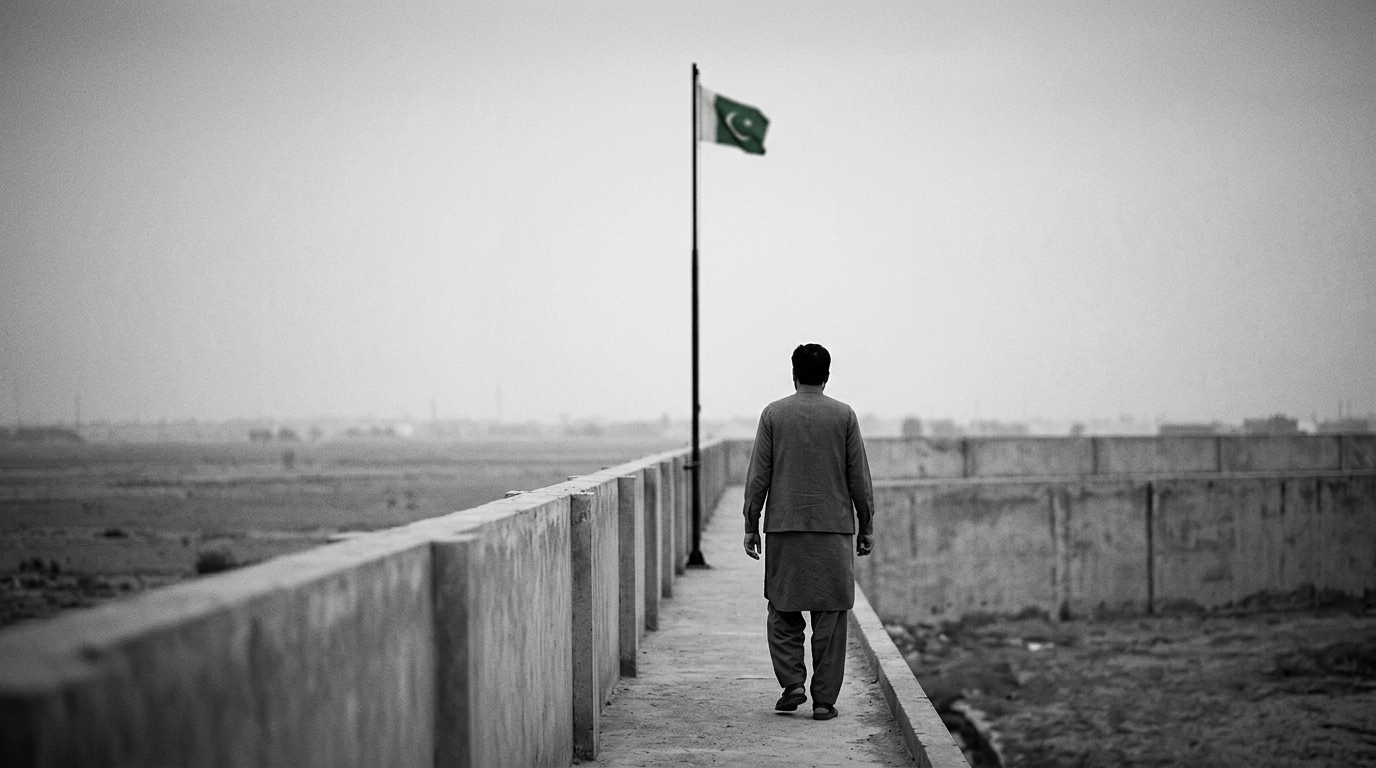
Pakistan has stepped up diplomacy aimed at opening a channel for talks between Iran and the United States as tensions intensify across the Middle East.
The effort is being led by Pakistan’s military chief, Field Marshal Asim Munir, with Islamabad presenting itself as a neutral venue that has improved ties with both capitals.
What Pakistan is trying to do
Pakistani officials say Iran and the US have signaled a willingness “in principle” to engage, even as mistrust and major policy gaps persist.
The proposed role for Pakistan is to host negotiations and help structure a de-escalation process, using its relationships with both sides to keep lines of communication open.
What changed and why it matters now
The initiative is unfolding against a backdrop of intensifying Israeli military action against Iranian targets and a significant US military buildup in the Gulf region, factors Pakistani officials describe as complicating diplomacy.
One immediate obstacle cited is Israeli strikes on Iranian steel plants and civilian nuclear sites, which Iran’s foreign minister, Abbas Araghchi, said run counter to US President Donald Trump’s announced pause in attacks.
Positions and stated demands
Iran’s central demand, as described in the source material, is an end to the conflict and assurances against future US and Israeli aggression.
Beyond that, the source does not provide details on US negotiating conditions, timelines, or whether any formal agenda has been agreed.
Regional diplomacy in Islamabad
Diplomatic activity has accelerated, including a call by Pakistan’s Prime Minister Shehbaz Sharif to Iranian President Masoud Pezeshkian.
Pakistan is also set to host a meeting in Islamabad involving the foreign ministers of Turkey, Egypt, Saudi Arabia, and Pakistan, with de-escalation on the agenda.
Constraints on Pakistan’s role
Islamabad’s mediation effort is constrained by its defense agreement with Saudi Arabia, which Pakistani officials see as a potential pathway to being pulled into a wider conflict.
Pakistan is seeking to avoid that outcome, given its shared border with Iran and the presence of a substantial Shia Muslim population at home, both of which raise the domestic and security stakes.
What it means for markets and geopolitics
The attempt to create an Iran-US negotiating track matters for global politics because it intersects with military activity involving Israel, US force posture in the Gulf, and regional diplomacy among major Middle Eastern states.
For global markets, the key uncertainty is whether diplomacy can slow escalation in a region central to energy flows and risk pricing; however, the source provides no concrete market data or timeline for talks.
For now, Pakistan’s initiative remains a diplomatic push rather than a confirmed negotiation process, with outcomes dependent on whether the parties can bridge mistrust and halt actions that either side views as incompatible with de-escalation.