Iran war: What’s happening on day 23 of US-Israel attacks?
US-Israel and Iran tensions escalate on day 23 of conflict, with strikes on Tehran and near Dimona, and threats to energy infrastructure.
Lauren Collins ·
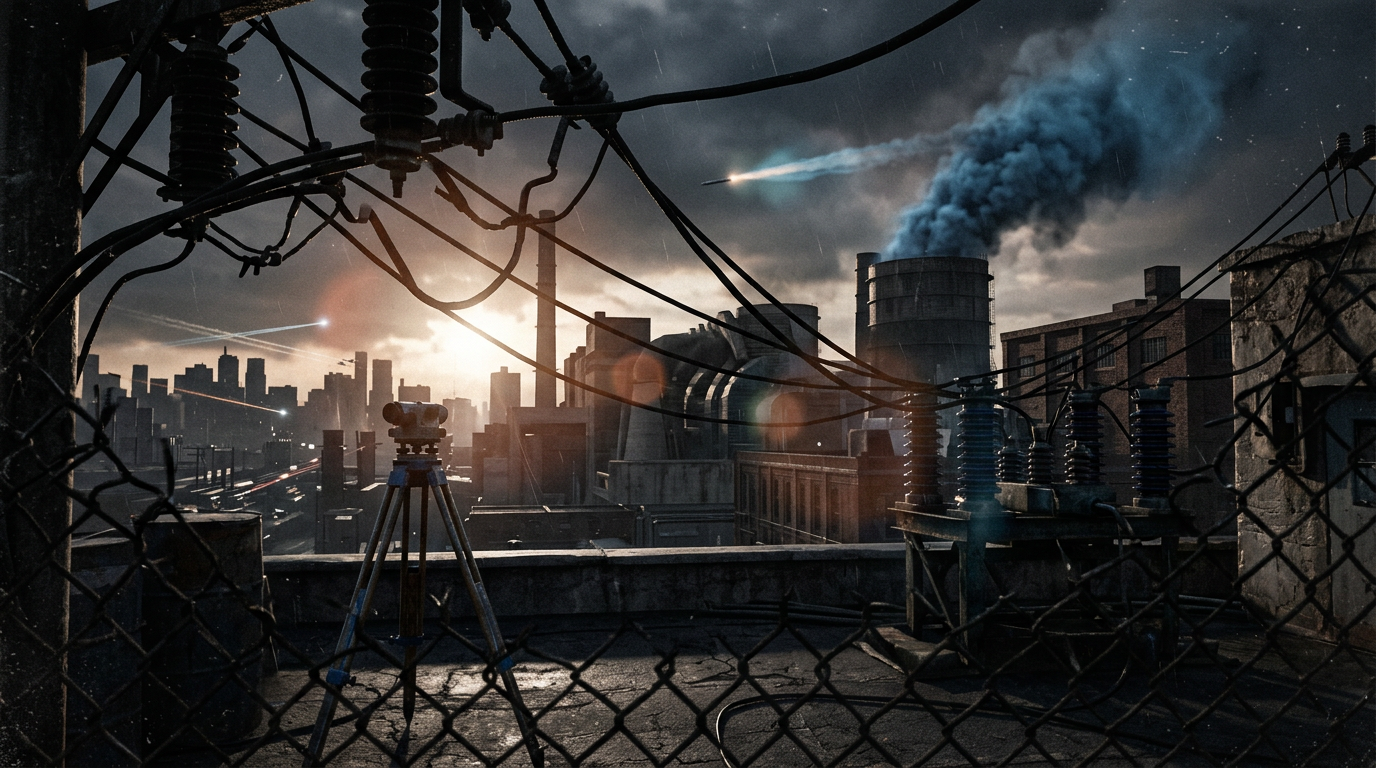
Military engagements between the United States, Israel, and Iran have intensified, marking the 23rd day of conflict. Recent developments include Israeli airstrikes on Tehran and Iranian missile attacks targeting southern Israel. This escalation has prompted threats from both sides regarding critical infrastructure and regional energy assets.
On March 21, 2026, explosions were reported in eastern Tehran following Israeli military actions. Concurrently, Iranian missile strikes impacted areas near Israel's Dimona nuclear facility and Arad, reportedly causing approximately 100 injuries. These events follow earlier Iranian missile launches directed at southern Israeli territories.
US and Iran Issue Infrastructure Threats
U.S. President Donald Trump issued a warning, stating that Iranian power plants could be targeted if the Strait of Hormuz is not fully reopened within 48 hours. In response, Iran's military command declared its intent to strike all energy infrastructure in the Middle East linked to the U.S. and Israel should its own power generation facilities come under attack.
Nuclear Facilities and Airspace Incidents
Iran's Atomic Energy Organization reported that the Natanz nuclear site was a target of U.S.-Israeli attacks on March 20, 2026. However, the International Atomic Energy Agency (IAEA) confirmed no abnormal radiation levels were detected at the site. Separately, Iran claimed to have intercepted a U.S.-Israeli armed drone over Tehran and shot down an Israeli fighter jet within its airspace, though Israel has not corroborated the latter assertion.
Regional Repercussions and Casualties
The conflict's ripple effects are evident across the region. Saudi Arabia reported intercepting nearly 60 Iranian drones and three ballistic missiles, leading to the expulsion of Iranian diplomatic personnel. Bahrain also stated its air defense systems neutralized 143 missiles and 242 drones originating from Iran. The Iranian Ministry of Health has reported over 1,500 fatalities and 20,984 injuries within Iran since the conflict began.
Diplomatic Calls for Intervention
Iranian President Masoud Pezeshkian has called upon the BRICS alliance to mediate in the ongoing hostilities. He also proposed the establishment of a new regional security framework aimed at de-escalating tensions and fostering stability in the Middle East. The international community continues to monitor the situation closely for further developments and potential diplomatic avenues.
Implications
Country Impact: The escalating conflict poses significant risks to regional stability, particularly for Iran, Israel, and neighboring Gulf states. Increased military actions could lead to broader involvement and humanitarian crises, impacting national security and economic development.
Industry Impact: The energy sector faces immediate threats, with both the U.S. and Iran issuing warnings regarding attacks on power plants and oil infrastructure. This could disrupt global energy supplies, particularly oil transit through the Strait of Hormuz, affecting prices and supply chains.
Market Impact: Global financial markets are likely to react with increased volatility, especially in oil and gas futures. Investor confidence may decline, leading to capital flight from emerging markets and a potential shift towards safe-haven assets, impacting equities and bond yields.