Dell, Nvidia Reports Defy 'Peak AI' Concerns Amid Record Demand
Dell Technologies and Nvidia's latest financial results indicate robust, expanding demand for AI infrastructure, challenging 'peak AI' fears.
Atlas Newsdesk ·
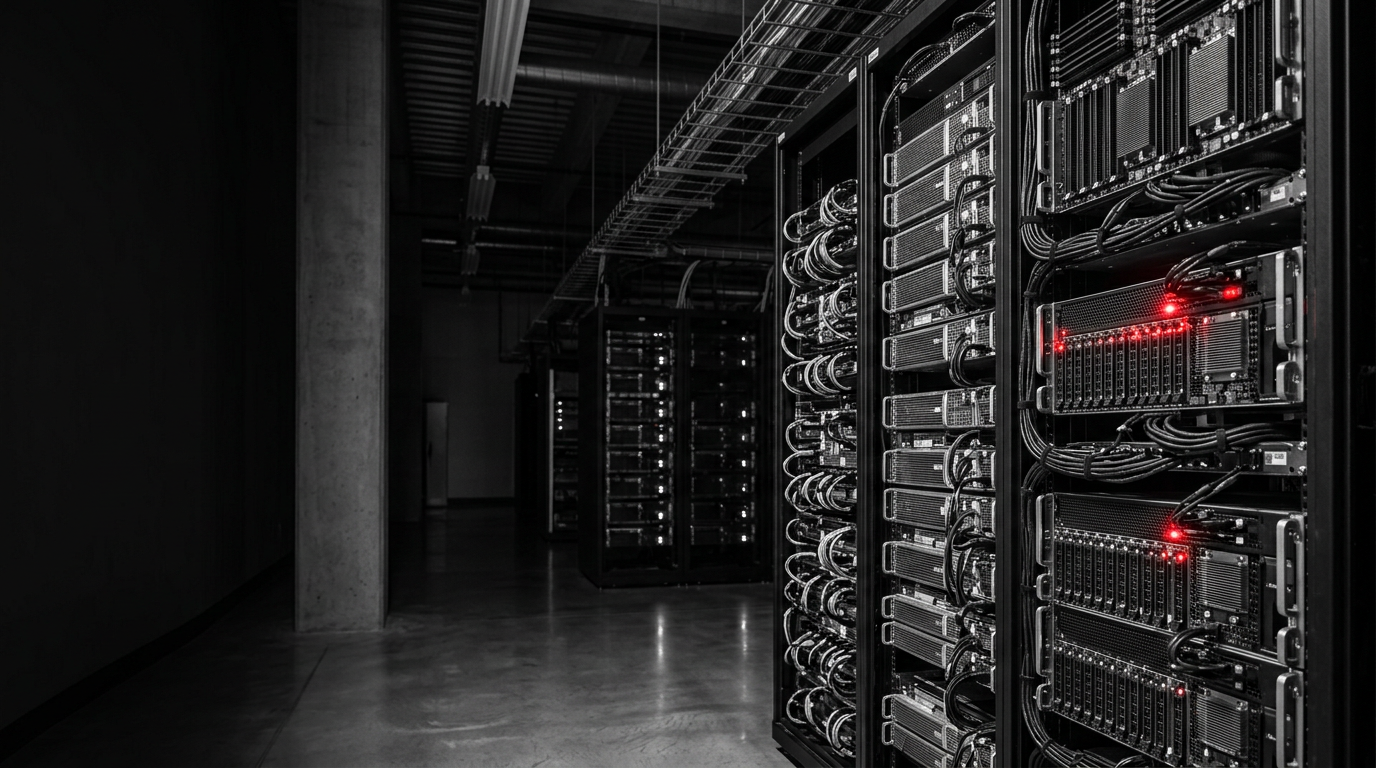
Recent financial disclosures from Dell Technologies and Nvidia are providing strong evidence against the prevailing market sentiment that artificial intelligence infrastructure investment might be approaching a saturation point. Both companies reported significant growth, signaling continued, broad-based demand for AI hardware and supporting technologies.
Dell Technologies recorded a 42% year-over-year increase in its Servers and Networking division, reaching $5.5 billion. The company also announced a sequential growth of over 30% in its backlog for AI-optimized servers, which now stands at $3.8 billion. This performance follows Nvidia's announcement of $22.6 billion in Data Center revenue, marking an impressive 427% annual rise. Nvidia further projected total revenues of $28 billion for the upcoming period, reinforcing the optimistic outlook.
Broadening AI Demand Confirmed
The market had approached these earnings reports with caution, questioning the sustainability of capital expenditure cycles in the technology sector and whether demand for AI hardware was decelerating. Concerns also centered on the justification of high valuation multiples for tech stocks.
While Nvidia's strong performance was largely anticipated, analysts keenly watched the quality of its forward guidance and the breadth of demand beyond major cloud providers. Dell's results, however, served as a crucial secondary indicator. As a primary assembler of enterprise servers, Dell's figures offer a direct reflection of corporate IT spending trends. The substantial growth in its AI-server business, which generated $2.6 billion in shipments during the quarter, suggests that demand is now extending from hyperscale cloud providers to a broader range of enterprise clients.
Implications for Market Sentiment
These combined results are shifting the narrative around AI spending from one of impending peak to one of sustained duration and increasing depth. Nvidia's figures confirm the ongoing high demand for its specialized GPU hardware. Dell's report validates that this demand is propagating throughout the entire supply chain, generating revenue for integrators responsible for building and distributing complete systems.
This trend implies a durable, multi-year upgrade cycle as businesses across various sectors enhance their AI capabilities, rather than a transient surge in spending. Consequently, market participants who had positioned themselves for a tech slowdown, such as those holding short positions or rotating into more cyclical stocks, may find themselves misaligned with current trends. The robust guidance from both firms helps to justify elevated price-to-earnings ratios within the sector, as future earnings per share estimates are likely to see significant upward revisions. The data suggests that AI capital investments are increasingly reallocating IT budget line items, not merely supplementing them.
Future Monitoring and Potential Risks
The immediate focus for analysts will be on confirming the widespread nature of this spending cycle. Upcoming earnings reports from other key hardware vendors, including HP Enterprise and Super Micro Computer, will be critical. Additionally, capital expenditure guidance from major cloud providers such as Microsoft, Amazon, and Google will offer further insights.
If these companies also report strong demand and substantial backlogs, it will solidify the narrative of a broad and sustained investment wave in AI infrastructure. Conversely, any indications of deceleration or conservative guidance from these entities could swiftly reignite 'peak AI' concerns and prompt a re-evaluation across the entire technology sector, potentially impacting market stability.