Seven Aid Workers Killed in Gaza Drone Strikes
Seven World Central Kitchen aid workers died on April 1, 2024, in Gaza from Israeli drone strikes, following communication failures during a food delivery.
Lauren Collins ·
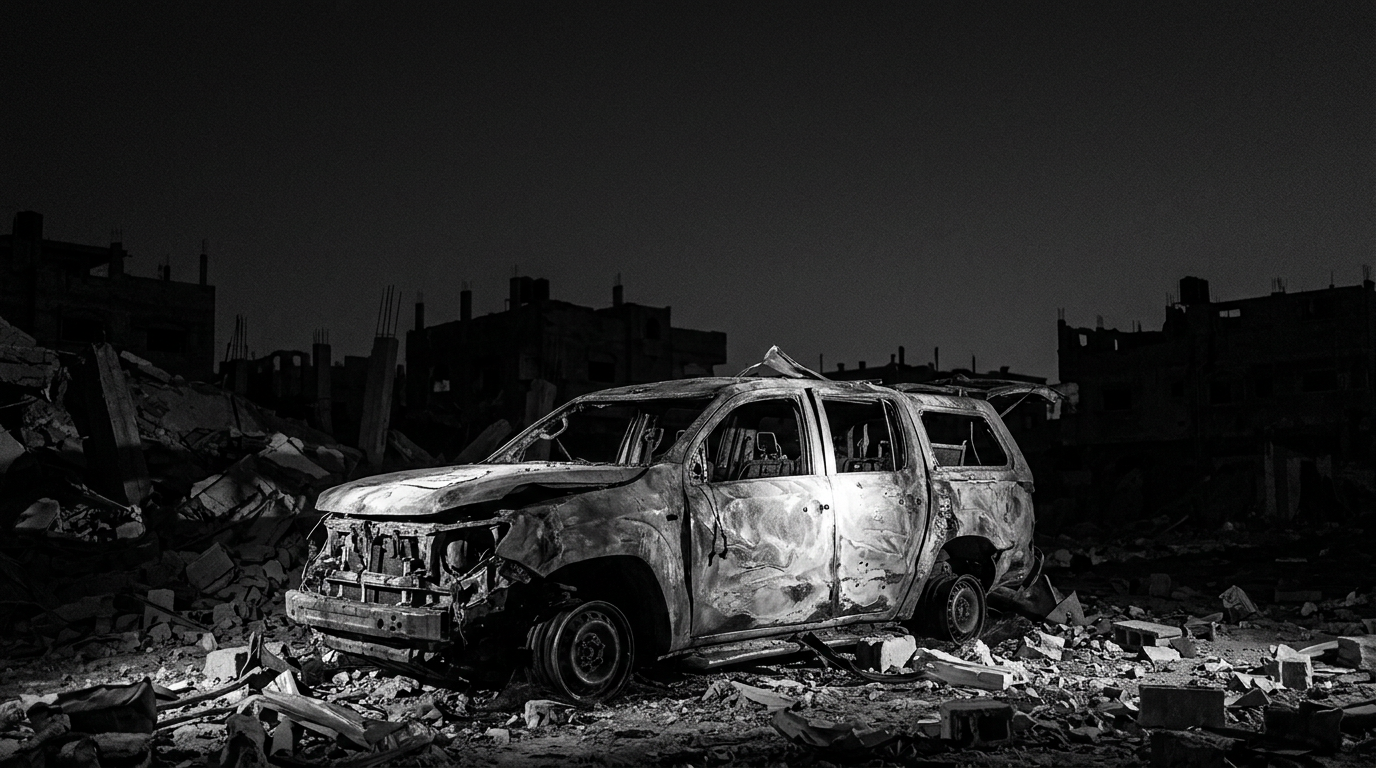
Seven humanitarian workers from the World Central Kitchen (WCK) organization were killed on April 1, 2024, after Israeli drone strikes targeted their convoy in Gaza. The incident occurred as the team was transporting vital food supplies, following a coordinated delivery mission that was reportedly hampered by significant operational delays and internal communication failures within the Israel Defense Forces (IDF).
According to investigations, a critical breakdown in communication began when the IDF Southern Command failed to relay mission details to the Nahal brigade, which was operating in the specific sector. After the convoy began its journey after nightfall, drone operators observed armed local guards accompanying the trucks. Interpreting these guards as potential Hamas hijackers, the brigade initiated three separate strikes on the WCK vehicles. These attacks took place at approximately two-minute intervals, even as the convoy was nearing its designated warehouse destination.
Investigation Reveals Critical Misidentification
An assessment conducted by the Australian government concluded that essential mission data was not properly distributed to the field units, leading to a fatal misidentification. The IDF prosecutor later cited both the communication breakdown and the presence of armed personnel as contributing factors to the tragic event. However, the military ultimately decided against pursuing criminal proceedings in relation to the incident.
The deaths of the WCK personnel have brought renewed attention to the systemic deficiencies in deconfliction protocols. These protocols are specifically designed to prevent conflicts between humanitarian organizations and military units operating in intense conflict zones. The incident starkly highlights the profound challenges involved in ensuring the safety of aid delivery amid ongoing hostilities.
Ongoing Risks for Humanitarian Operations
This event is indicative of broader difficulties that aid organizations face in securing safe passage and effective coordination within active war zones. The persistent lack of clear communication channels and consistent adherence to established protocols continues to pose substantial risks to humanitarian efforts globally. A central unresolved question remains regarding whether similar instances of miscommunication can be effectively prevented in future military operations, ensuring the protection of those dedicated to providing essential assistance.
Humanitarian agencies frequently navigate complex and dangerous environments, where precise coordination with all parties involved in a conflict is paramount. The incident underscores the urgent need for enhanced communication mechanisms and stricter adherence to deconfliction procedures to safeguard aid workers who are often caught in the crossfire while attempting to alleviate suffering.