Tunisian Journalist Detained Amidst Crackdown on Dissent
Tunisian authorities detained investigative journalist Mohamed Yousfi, extending a pattern of actions against media figures and opposition under President…
Lauren Collins ·
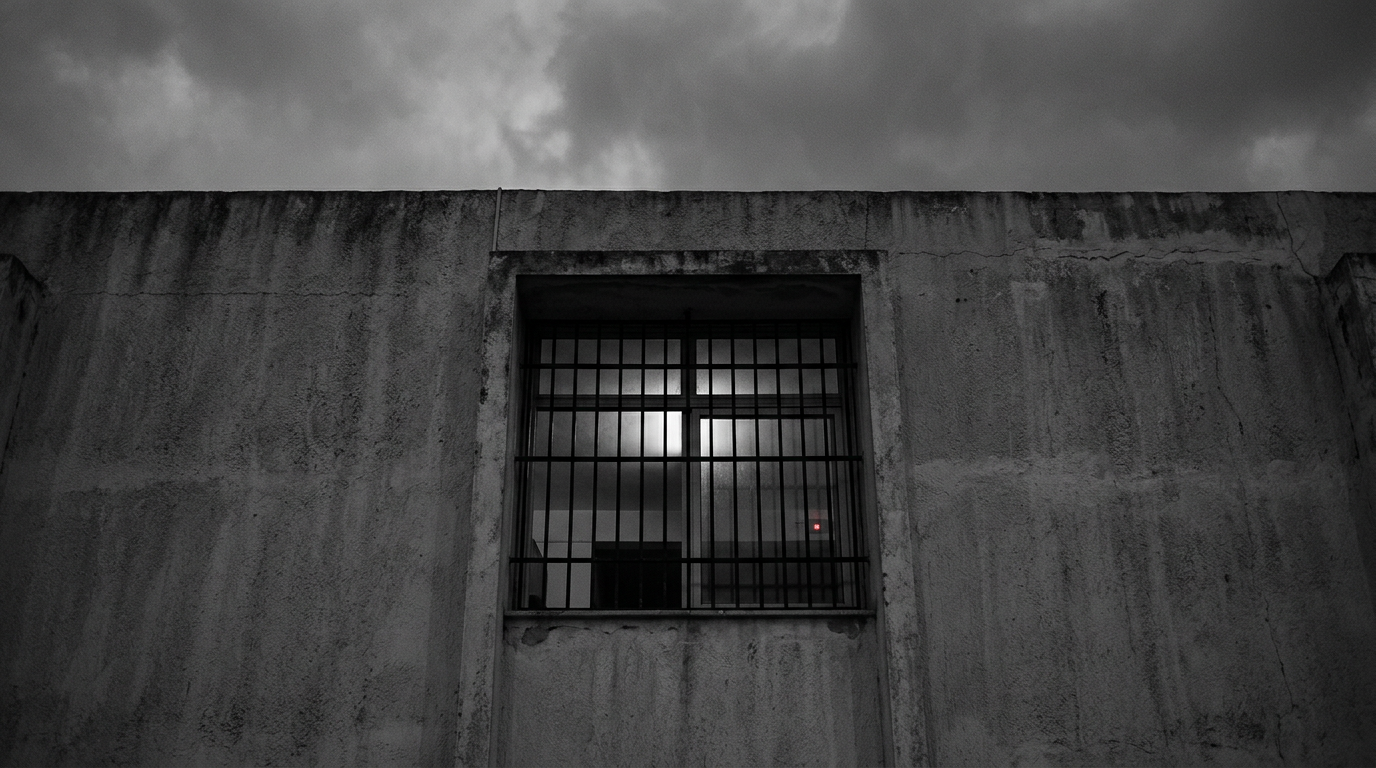
Tunisian police on Friday detained investigative journalist Mohamed Yousfi, editor-in-chief of the Al-Qatiba news website. This action marks a further escalation in the state's ongoing measures against media professionals and political opposition. Officials have not yet disclosed specific charges against Yousfi, who was taken into custody for questioning.
This detention aligns with a broader pattern of legal actions targeting independent voices within the country, particularly under the administration of President Kais Saied. Several journalists and commentators have faced legal proceedings and received prison sentences since the beginning of the current year.
Recent Prosecutions and Sentences
Earlier this year, legal actions impacted other media figures. In May, journalist Zied el-Heni was sentenced to one year in prison. More recently, in January, Mourad Zeghidi and Borhen Bsaies each received sentences of three-and-a-half years. These cases underscore a sustained effort by authorities to exert control over public discourse.
Beyond journalists, the judiciary has upheld convictions against approximately 40 opposition figures, lawyers, and activists. These individuals were accused of conspiring to destabilize the government, leading to significant prison terms. Among these, Khaoula Boukrim, the founder of TUMEDIA, was sentenced in absentia to four years in June, further illustrating the scope of the government's actions.
Concerns Over Judicial Independence and Civil Liberties
Rights organizations have expressed significant concerns, reporting a systematic erosion of democratic safeguards within Tunisia. This trend, they assert, facilitates more aggressive prosecution of critics and opposition members. While the Ministry of Justice maintains that these measures are essential for national stability, international observers and local legal advocates argue that the judiciary has increasingly lost its independence.
Haifa Chebbi, a lawyer whose father, opposition leader Najib Chebbi, was among those recently sentenced to 12 years, publicly stated that the ruling confirmed a lack of independence within the judicial system. These government actions have drawn widespread condemnation from various international bodies, which are increasingly worried about the diminishing civil liberties in Tunisia.
The continuous arrests and convictions suggest a deliberate strategy by Tunisian authorities to suppress opposition. This strategy appears aimed at consolidating presidential power, raising critical questions about the country's future democratic path, especially as economic pressures continue to mount.