Zelenskyy Alerts Airlines to Russian Airspace Risks
Ukrainian President Zelenskyy warned international airlines and insurers about increasing dangers in Russian airspace due to expanded Ukrainian strike capabilities, amidst rising drone production.
Lauren Collins ·
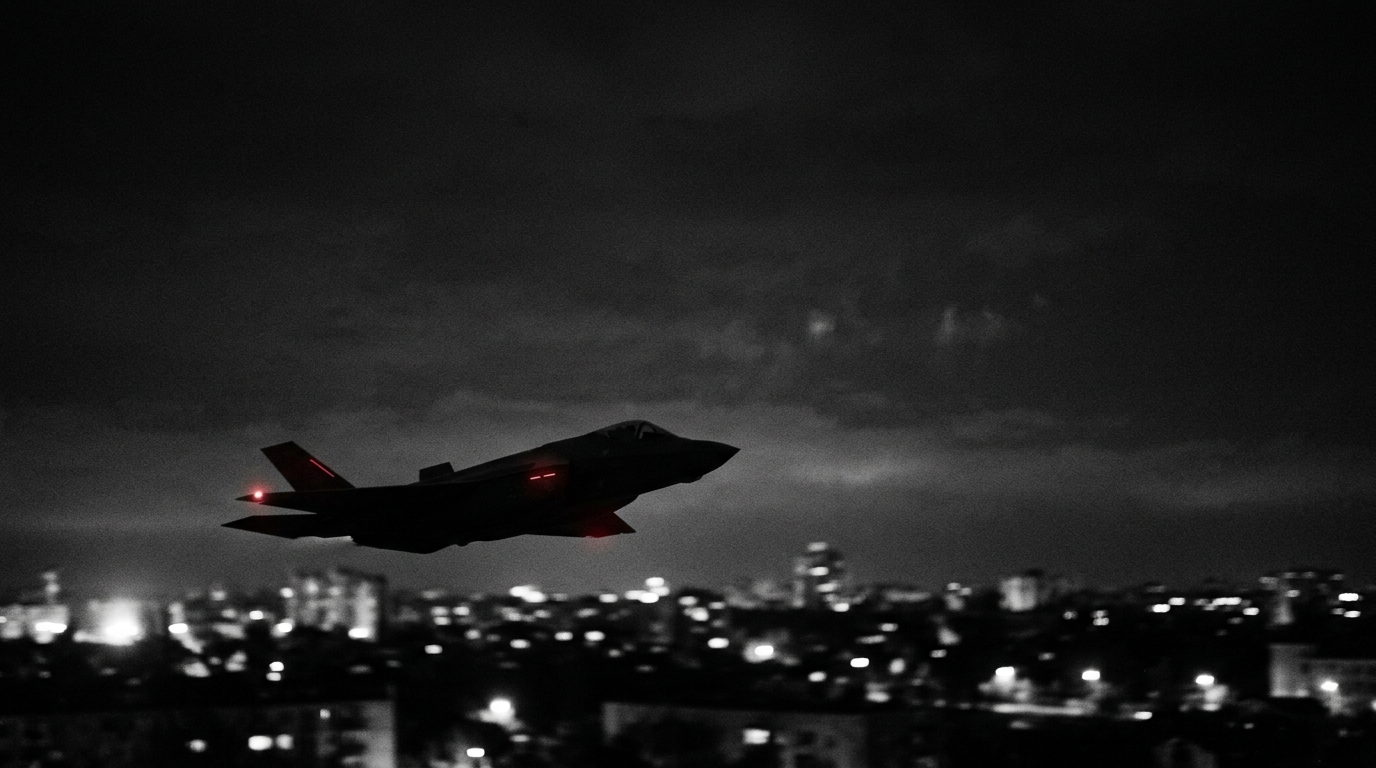
Ukrainian President Volodymyr Zelenskyy issued a warning to international airlines and insurance providers on Tuesday, stating that Russian airspace is becoming progressively less safe for civil aviation. This caution comes as Ukraine's military capabilities have expanded significantly, enabling strikes on industrial and military sites located over 125 miles from its national borders.
Expanding Ukrainian Strike Capabilities
The elevated risk is directly linked to Ukraine's accelerated drone production efforts. Current operational capacity has reached several hundred units daily, with an ambitious target of producing 1,000 drones per day. This substantial increase in aerial activity raises the potential for unintended damage to civilian aircraft, particularly as Ukrainian forces target infrastructure in proximity to major transit centers such as Moscow and St. Petersburg.
The aviation industry must therefore integrate these escalating kinetic risks into their assessments for flight paths traversing Russian territory. Decisions regarding flight safety protocols and operational routes will be critical as the conflict's aerial dimension evolves.
Russian Response and Retaliation Threats
Russian President Vladimir Putin swiftly rejected Zelenskyy's warning, labeling it as an act of "state terrorism." Following this dismissal, Putin announced intentions to intensify strikes against Ukraine's energy infrastructure throughout the upcoming winter period. He asserted that Russia's military continues to hold the initiative in the conflict, despite the expanding reach of drone warfare deeper into Russian territory.
This escalation in drone operations marks a notable shift in the geographical scope and nature of the conflict. The long-term implications for international commercial aviation will depend heavily on the frequency and intensity of these strikes, as well as how global insurers and air carriers adapt their regional flight safety guidelines and risk evaluations.
The evolving situation demands continuous monitoring by aviation authorities and industry stakeholders to ensure passenger and crew safety. Airlines may need to reassess established routes, potentially leading to longer flight times or increased operational costs, as they seek to avoid perceived high-risk zones. Insurers will likely adjust premiums or revise policy terms to reflect the heightened threat landscape.
Global Aviation Industry Considerations
For the broader international aviation sector, the implications extend beyond direct flight path adjustments. The potential for disruptions to major air corridors could affect global supply chains and passenger travel, especially routes connecting Europe and Asia. The precedent set by current events may also influence future risk assessments for flights over or near other conflict zones worldwide.
Stakeholders, including the International Civil Aviation Organization (ICAO), will likely face pressure to provide updated guidance on navigating airspace near active conflict areas. The ongoing expansion of drone capabilities and their deployment in various forms introduces a new layer of complexity to traditional air traffic management and safety protocols, necessitating a proactive and adaptive approach from all parties involved.