Crude Surges on Strait of Hormuz Tensions
Oil prices climb amid escalating tensions over the Strait of Hormuz, impacting global markets and inflation fears.
Lauren Collins ·
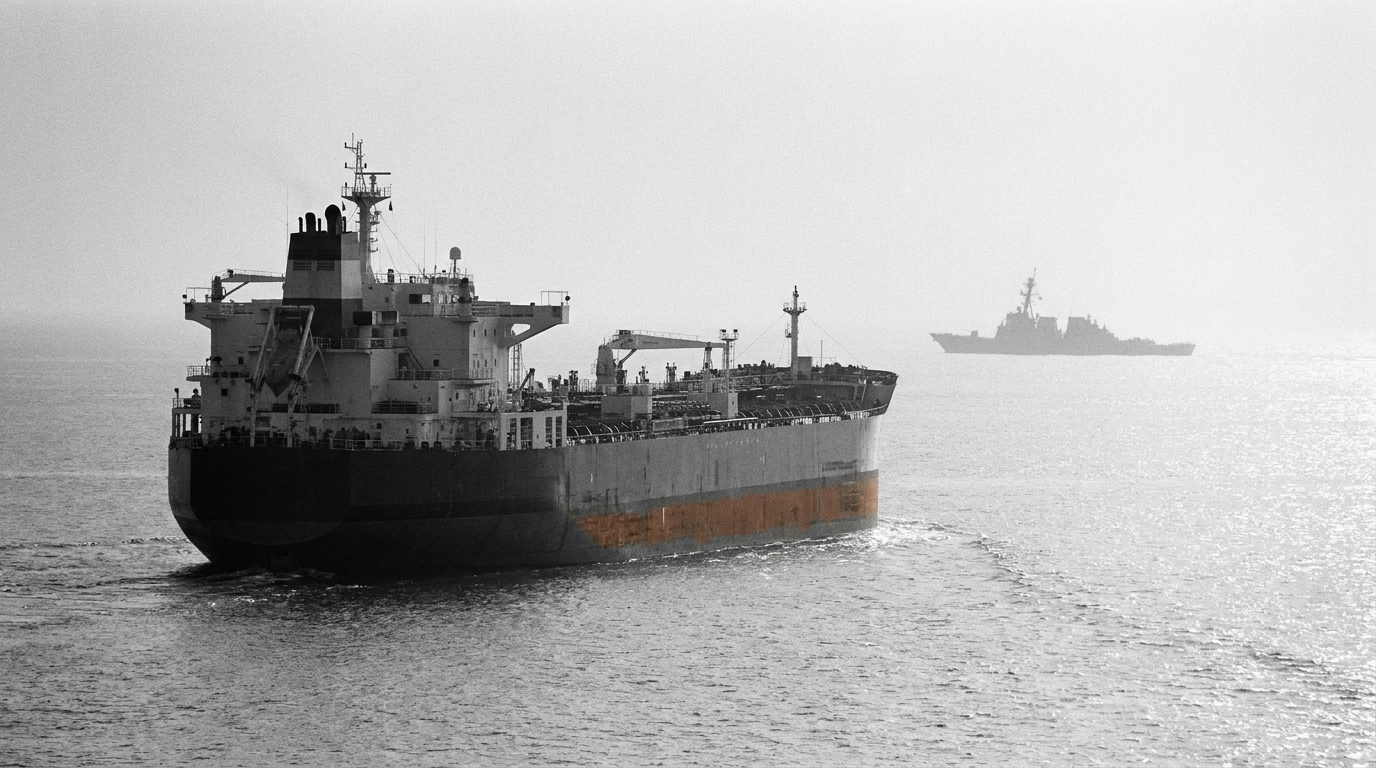
Oil prices have continued their upward trajectory, extending gains from the previous week as geopolitical tensions heighten. The market is closely monitoring the standoff between the United States and Iran, which shows no signs of immediate resolution. A failure to de-escalate the situation could lead to further disruptions in vital shipping lanes, particularly through the Strait of Hormuz, a critical chokepoint for global crude supply.
Market Instability and Inflationary Pressures
Global financial markets experienced a notable downturn last Friday, with the S&P 500 index shedding over 1%. This selloff was largely driven by growing concerns over the potential closure of the Strait of Hormuz. Such an event could exacerbate existing energy supply issues, feeding directly into persistent global inflation fears.
The impact of these energy disruptions is compounded by recent economic data. Figures released last week indicated escalating price pressures across economies. This has prompted a significant shift in market expectations, with traders increasing their bets on aggressive interest rate hikes from major central banks. Consequently, long-term bond yields have surged to levels not seen in decades.
Economic Uncertainty and Rate Hikes
Analysts highlight the current environment as a significant juncture for monetary policy. The prospect of rapid interest rate increases injects a considerable degree of uncertainty into financial landscapes. While volatility may present short-term opportunities, the overarching trend points towards a challenging period for investors.
Kyle Rodda, a senior analyst at Capital.com, described the situation as a "mini rate shock." He noted that the upward pressure on interest rates introduces unpredictability, suggesting that markets could witness bouts of temporary relief amidst broader fluctuations. The interconnectedness of energy security, inflation, and monetary policy is now a dominant theme shaping financial sentiment.
As a result, crude benchmarks saw substantial increases last week. Brent crude advanced toward $111 a barrel, marking an almost 8% gain. West Texas Intermediate crude followed suit, rising above $107 a barrel. These price movements reflect the market's anticipation of prolonged supply constraints and the broader economic implications of geopolitical instability in a key oil-producing region.