China's Exports Surge Amid Rising Global Demand
China's exports experienced significant growth in April, driven by increased global demand and concerns over future supply chain stability.
Atlas Newsdesk ·
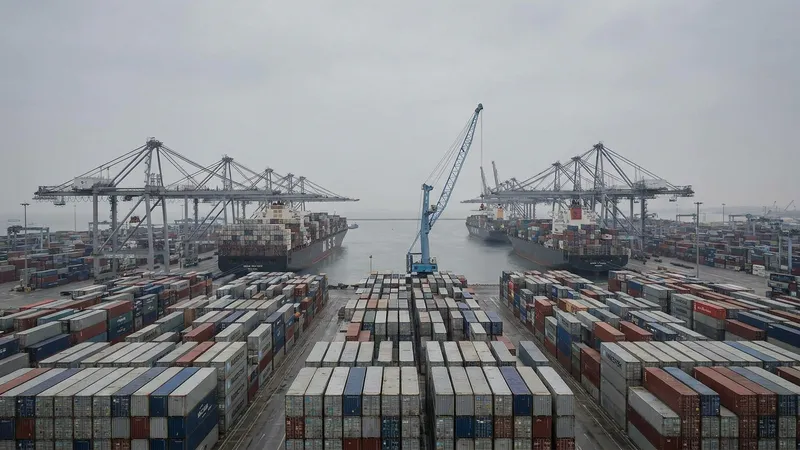
China’s export sector demonstrated robust expansion in April, reporting a 14. 1% year-on-year increase in U.
S. dollar terms.
This surge significantly outpaced March's 2. 5% rise and exceeded economists' forecasts of a 7.9% gain, according to customs data released recently. The unexpected acceleration reflects a bolstered global appetite for Chinese manufactured goods.
This performance indicates that Chinese exporters are effectively managing current international economic pressures. Factories have been working to fulfill a wave of overseas orders, as buyers seek to secure components amidst ongoing geopolitical uncertainties.
This proactive approach by international purchasers aims to mitigate potential future disruptions to supply chains and input costs.
Robust Demand Drives Sector Performance
The notable increase in April's export figures suggests a resilient manufacturing base responding to heightened purchasing activity. This growth contrasts with expectations that global friction might dampen trade flows.
Instead, concerns about escalating international conflicts, particularly in the Middle East, appear to be prompting a strategic stockpiling of essential goods and components.
New export orders reached a two-year high during April, as indicated by separate factory activity data from the same period. This metric provides further confirmation of the strong demand fueling current export volumes.
Such order levels highlight the eagerness of international buyers to stabilize their supply lines.
Economic Outlook and Future Challenges
Despite the current export boom, economists are sounding notes of caution regarding the sustainability of this trend. While Chinese exporters have leveraged the immediate rush for supplies, potential long-term risks linger.
Persistent geopolitical instability and rising energy prices could erode external demand over time.
Should external demand eventually wane, China's economy faces the challenge of sluggish domestic consumption. The ability of internal demand to compensate for a potential slowdown in exports remains a critical concern for policymakers.
Sustaining economic momentum will require careful navigation of these converging domestic and international factors.
The current export performance provides a short-term boost but also underscores the delicate balance China must maintain. Future economic stability will depend on both continued international market resilience and the effective stimulation of internal economic activity.
Monitoring these dynamics will be crucial for assessing China's economic trajectory in the coming months.