California Drivers Are Paying $6 for Gas Again
California gas hits $6.01/gallon as Brent crude tops $126. Learn how the Iran war and Strait of Hormuz disruption impact U.S. fuel costs.
Atlas Newsdesk ·
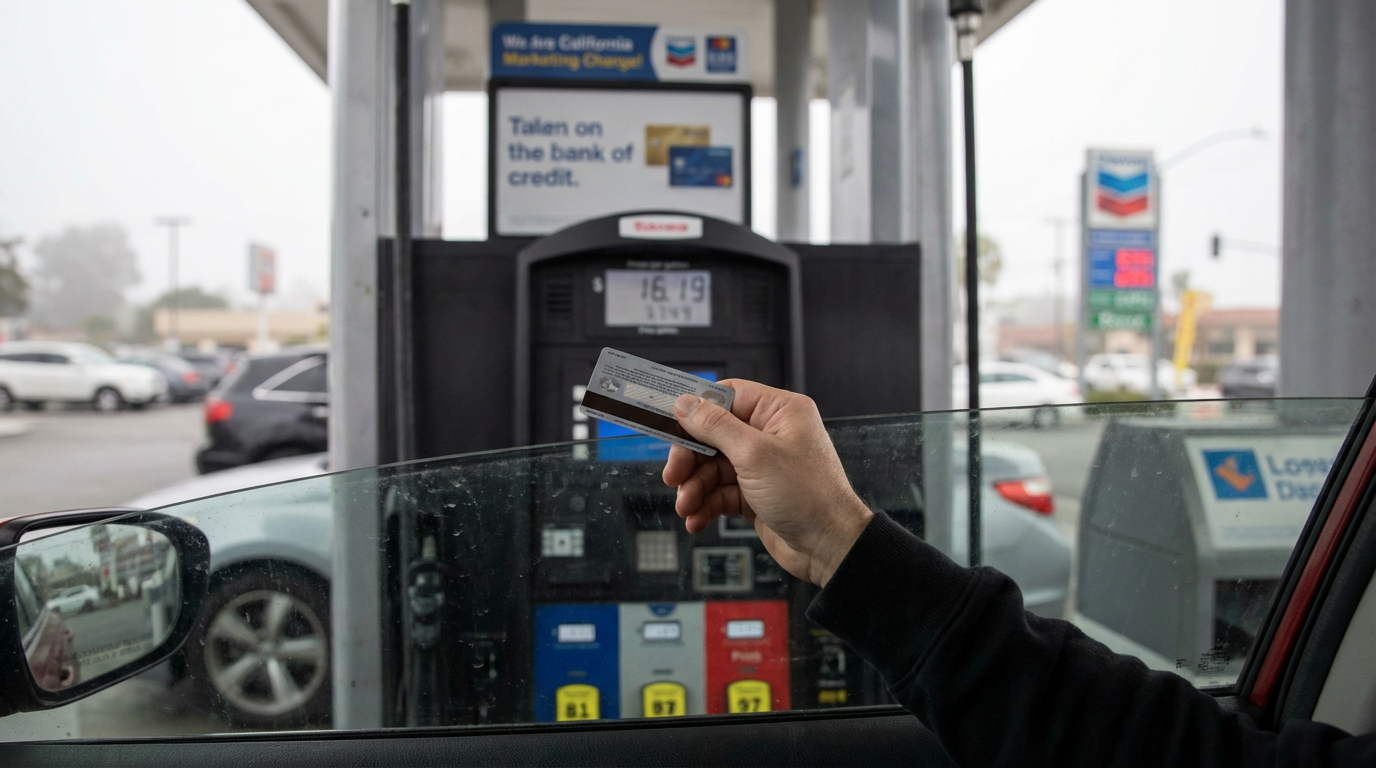
California’s average gasoline price rose to $6.01 a gallon Thursday, putting the state back above a politically painful threshold as the Iran war ripples through energy markets. AAA listed the national average at $4.30, leaving California more than $1.70 above the U.S. benchmark. The jump came as Brent crude briefly moved past $126 a barrel before settling lower, a sign traders are still pricing in serious supply risk.
Hormuz Keeps Prices Elevated
The immediate driver is the continued disruption around the Strait of Hormuz, the narrow waterway that carries a large share of global oil flows. AP reported that stalled U.S.-Iran talks reduced hopes for a quick reopening and pushed Brent sharply higher. When crude moves that fast, retail fuel markets usually follow with a lag, especially in expensive states.
California’s Refinery Problem
California is more exposed than most states because it uses specialized cleaner-burning fuel and relies heavily on in-state and West Coast refining capacity. Those rules can limit supply flexibility when global crude costs rise or refinery operations tighten. The state’s higher taxes and environmental compliance costs also widen the gap with the national average during oil shocks.
Drivers, Airlines, Retailers
The first hit lands on drivers, delivery firms and businesses with thin margins tied to transportation costs. Households face a direct squeeze at the pump, while airlines and freight companies must manage higher fuel bills that can feed into ticket prices and shipping costs. Investopedia reported the national average had reached its highest level since 2022 by April 29.
Oil Traders Reprice War
The oil market is now treating the conflict less like a short military episode and more like a supply-chain event. Before the war, Brent was near $70, according to AP; the latest move above $120 shows how quickly a chokepoint crisis can reset inflation assumptions. That matters for central banks because fuel prices can spill into food, air travel and consumer expectations.
A Wider Inflation Test
The U.S. economy enters this shock with consumers already sensitive to prices and policymakers watching inflation closely. If gasoline stays elevated, the effect will not be limited to California. Higher diesel, jet fuel and shipping costs can spread through national supply chains, making the West Coast fuel spike an early warning for broader price pressure.
The Unverified Missile Claim
One claim in the source — that Central Command requested hypersonic missiles for Middle East deployment — could not be confirmed through reliable reporting reviewed for this rewrite. Cost estimates are also contested: The Independent cited a study placing the Iran war’s cost above $25 billion, while earlier CSIS work estimated $16.5 billion over the first 12 days. That range leaves a key uncertainty for markets and Washington: whether the conflict becomes a shorter oil shock or a longer fiscal and energy burden.