China Targets Moon Landing by 2030 in Crewed Push
China targets a crewed moon landing by 2030 as it tests the Lanyue lander and develops Long March 10, Mengzhou, and ILRS plans.
Jason Kwon ·
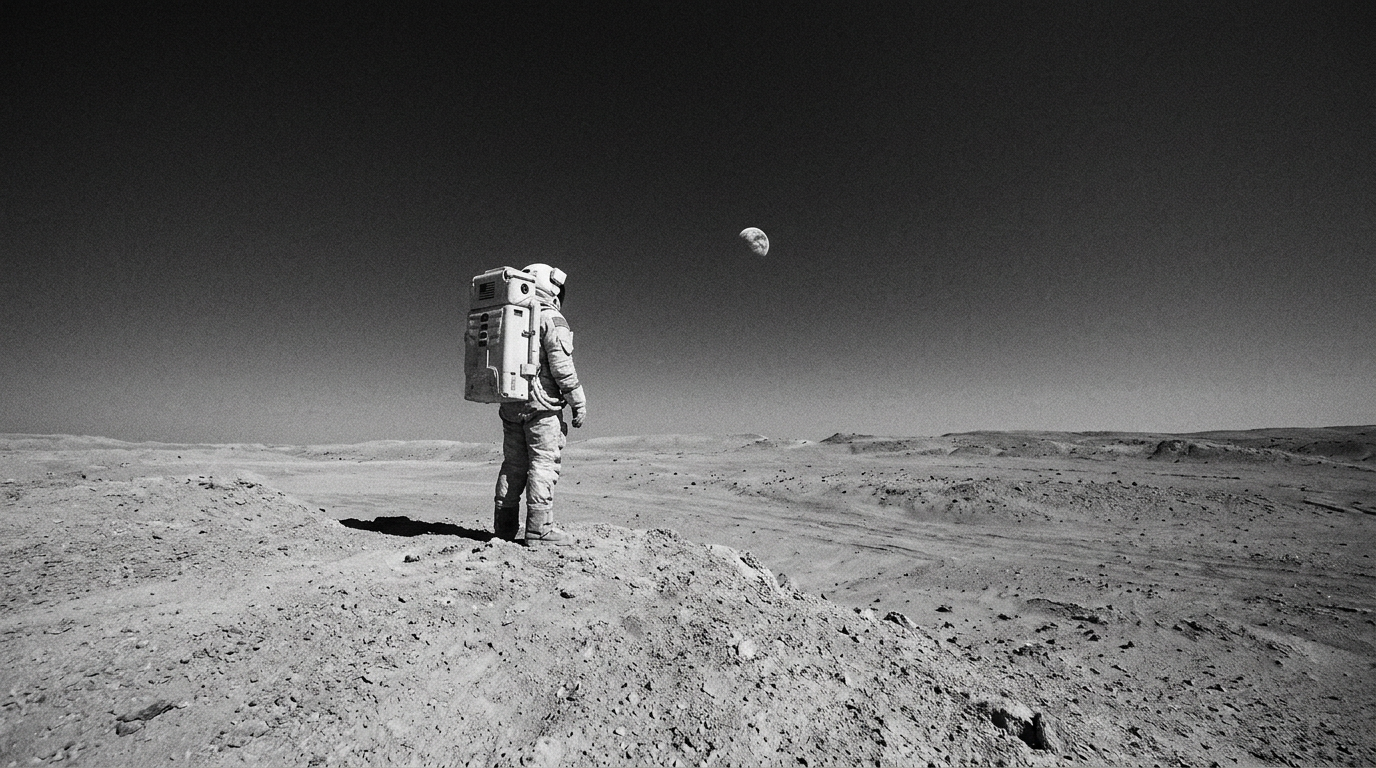
China is advancing a crewed lunar program with the stated goal of landing an astronaut on the moon by 2030. Officials have framed the effort as a major step in the country’s long-term space plans, with multiple pieces of flight hardware now in development and testing.
The timeline comes as the United States also pursues a return to the lunar surface. NASA recently launched its first crewed lunar mission in 50 years, and the agency’s current objective is a manned landing on the moon’s South Pole by 2028. The parallel schedules have sharpened attention on a renewed competition in deep-space exploration between the two countries.
China’s program is working through verification and engineering milestones for systems needed to support astronauts beyond Earth orbit. A central element is the Lanyue lunar lander, which is intended to move astronauts between lunar orbit and the surface. The lander is also designed to function as a habitat and a data center during operations.
In August, comprehensive verification tests were carried out for the Lanyue lander’s ascent and descent systems. The tests simulated lunar surface conditions and were conducted in Hebei province, according to the program’s stated progress updates. These trials are part of broader efforts to validate performance and reliability before any crewed attempt.
Other major components under development include the Long March 10 heavy-lift rocket and the Mengzhou crewed spacecraft. The program is also developing specialized lunar spacesuits and crewed rovers, which are intended to support surface activity and mobility. Together, these systems form the core architecture required for a crewed landing and sustained operations.
Beyond the 2030 landing target, China has linked the mission to a longer roadmap centered on the International Lunar Research Station (ILRS). A successful crewed landing by 2030 is positioned as a foundation for establishing a “basic model” of the ILRS by 2035. The ILRS is described as a joint effort with Russia and is envisioned to include a comprehensive scientific facility and capabilities for resource utilization.
Plans referenced for the ILRS include the possibility of incorporating a nuclear reactor to provide power. By 2045, the ILRS is projected to expand into a lunar orbital station, with the stated aim of enabling deeper resource development and supporting future crewed missions to Mars.
Key uncertainties remain tied to execution, including how quickly complex systems such as the heavy-lift rocket, lander, spacecraft, suits, and rovers can be validated as an integrated stack. The pace of testing and verification will be central to whether the 2030 objective and subsequent ILRS milestones can be met as described.