China-Developed NEO BCI Cleared for Clinical Use
Neuracle Technology’s NEO brain implant, developed with Tsinghua University, has received global regulatory approval for use beyond clinical trials.
Jason Kwon ·
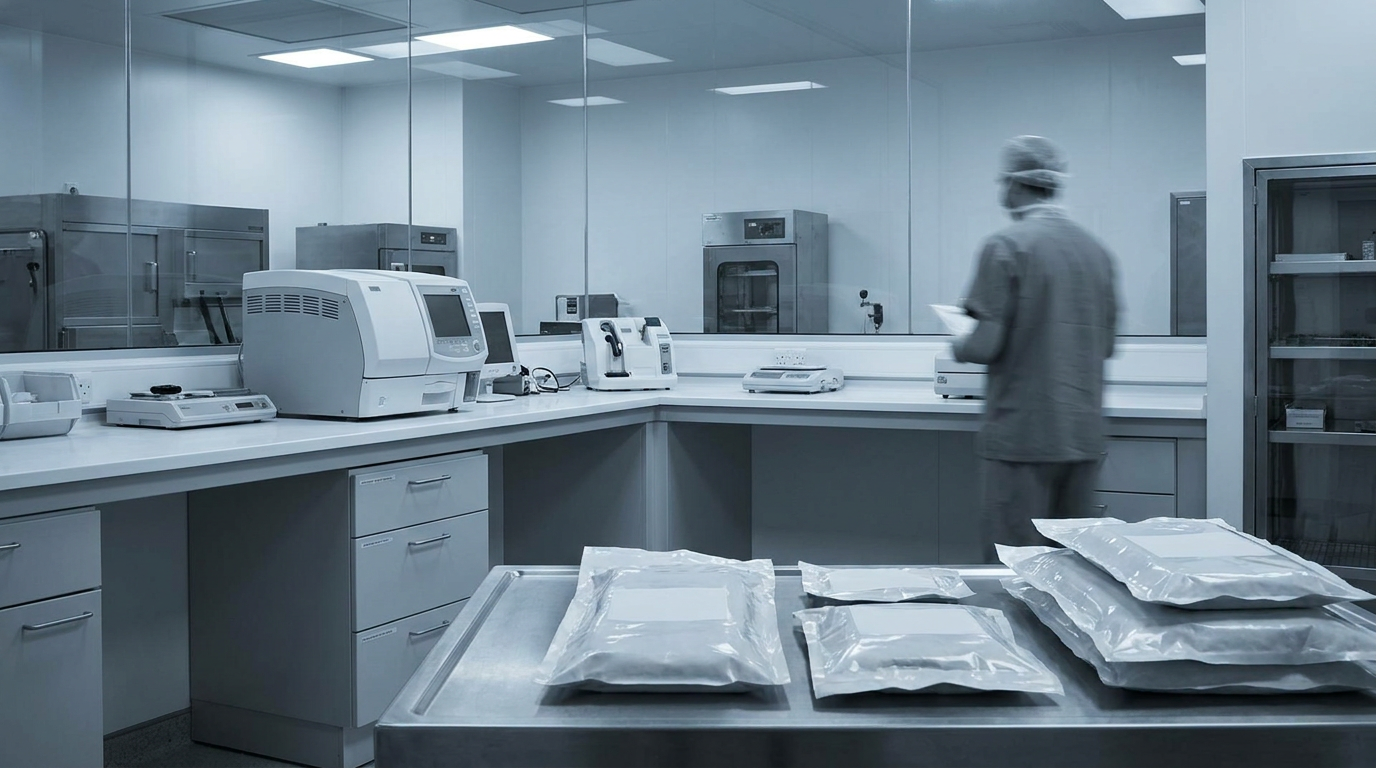
A novel brain-computer interface (BCI) developed by Neuracle Technology, in collaboration with Tsinghua University, has achieved a significant global milestone. The device, known as NEO, is now approved for use outside of clinical trials, marking the first invasive BCI product worldwide to reach this stage.
This regulatory approval could offer new avenues for individuals suffering from limb paralysis due to spinal cord injuries. The development highlights rapid advancements in restorative neurotechnology, particularly within the Chinese innovation landscape.
NEO's Functionality and Patient Progress
Dong Hui, a 39-year-old paralyzed by a spinal cord injury, became one of the first recipients of the NEO implant in November 2024. His participation in a clinical trial followed his exposure to similar BCI technology on television.
The NEO device involves coin-sized sensors surgically placed on the dura mater to collect brain signals. An external implant on the skull transmits these signals to a computer, which translates them into commands for a robotic glove. This system facilitates motor rehabilitation.
Dong’s rehabilitation commenced within a week of his surgery, and he reported regaining the ability to grasp a ball with his right hand within nine days of training. After 11 months of consistent engagement, he was able to manipulate a pen, signifying a substantial improvement in his fine motor control.
Regulatory Advancement and Future Outlook
The approval of NEO signifies a critical juncture for invasive BCI technology. While many BCI systems remain experimental or confined to research settings, Neuracle Technology's device has navigated the regulatory hurdles to become commercially available to eligible patients.
This achievement underscores the potential for BCIs to transition from purely research-based solutions to practical medical interventions. The rapid progress from clinical trial to market approval suggests an accelerated pathway for certain neurotechnologies.
Implications for the BCI Landscape
The global approval of NEO positions China as a significant player in the advanced medical device sector. This movement challenges the traditional dominance of Western countries in cutting-edge biotechnological innovation.
The focus on facilitating everyday tasks, like writing and grasping, suggests that the next generation of BCI devices will prioritize functional recovery. Patients like Dong Hui continue to train with the hope of regaining greater independence in daily activities.