China's Nuclear Expansion Reshapes Global Order
China's rapid nuclear expansion is reshaping global nuclear dynamics, leading to U.S. and European responses and increasing international instability.
Lauren Collins ·
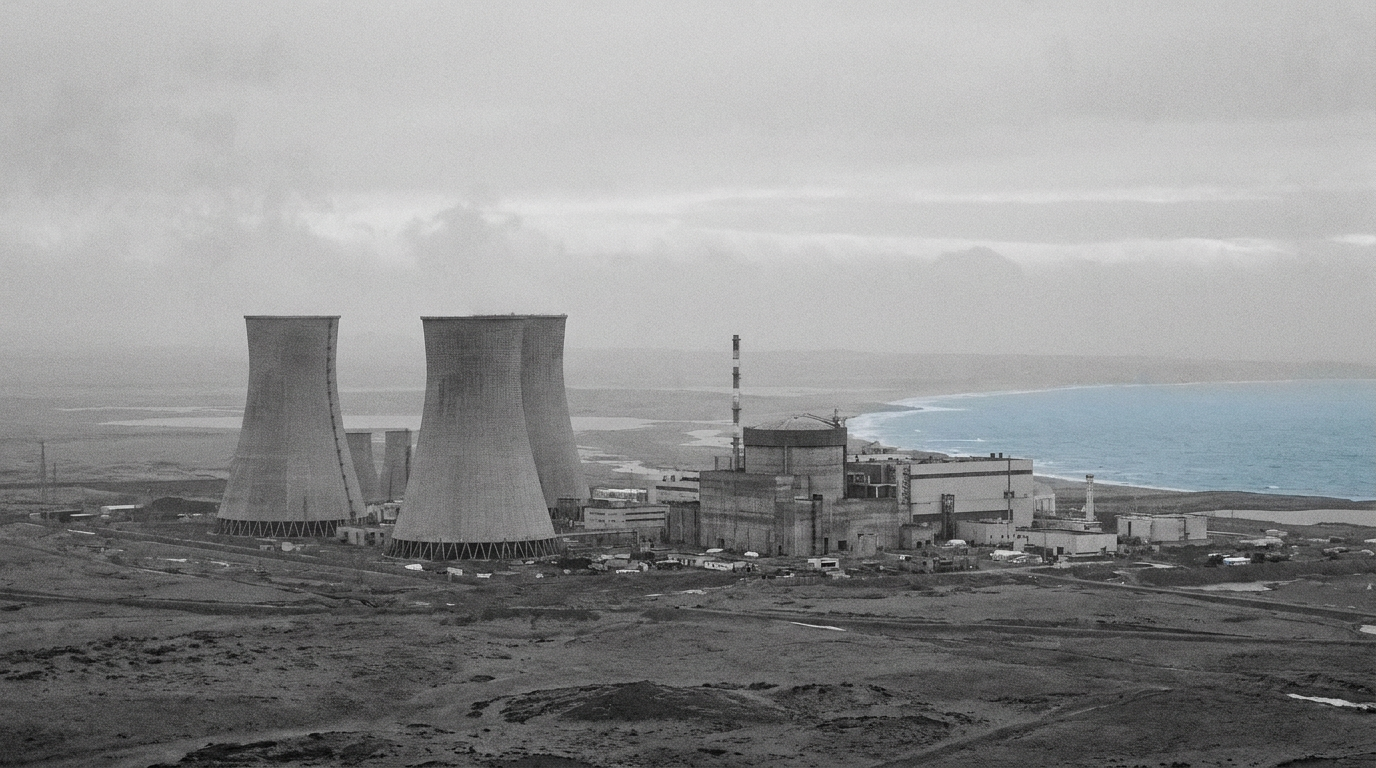
China's Nuclear Expansion Reshapes Global Order China's rapid nuclear weapons buildup is fundamentally altering the global nuclear landscape, prompting a response from the United States and other nations. Since 2019, China has nearly tripled its nuclear warhead stockpile, significantly expanding its capabilities across land, air, and sea, and enhancing its research, development, and assembly infrastructure. This expansion, reaffirmed by Beijing's mid-March announcement to "strengthen and enlarge" its strategic deterrence, signals a shift from a bipolar to a potentially tripolar nuclear world.
The United States has responded by strengthening its own nuclear arsenal and attempting to engage Beijing in arms control negotiations. In February, the U.S. opted not to renew the New START treaty, citing China's exclusion from its restrictions. However, China has consistently refused to participate in such negotiations, believing a stronger nuclear deterrent will stabilize relations with the U.S. by compelling Washington to treat Beijing as a peer and respect its core interests. Beijing views recent U.S. caution regarding issues like Taiwan as validation of this strategy.
This rejection of arms control and transparency measures, however, is contributing to instability. It fuels U.S. disillusionment with cooperative security and prompts further expansion of U.S. nuclear and missile defense capabilities. China's growing military cooperation with Russia also raises concerns in Europe, leading France and the United Kingdom to rebuild their nuclear arsenals. This escalating cycle reinforces Beijing's perception of needing continued buildup, creating a more anarchic international environment. Achieving stability requires both nations to address misperceptions and increase transparency, particularly concerning short-range nuclear capabilities, to mitigate acute risks.