

India’s $20 Billion Cash Transfer Programs Face Long-Term Sustainability Challenges
India’s $20 billion cash transfer programs boost welfare, yet fail to address structural barriers preventing women’s long-term economic independence.
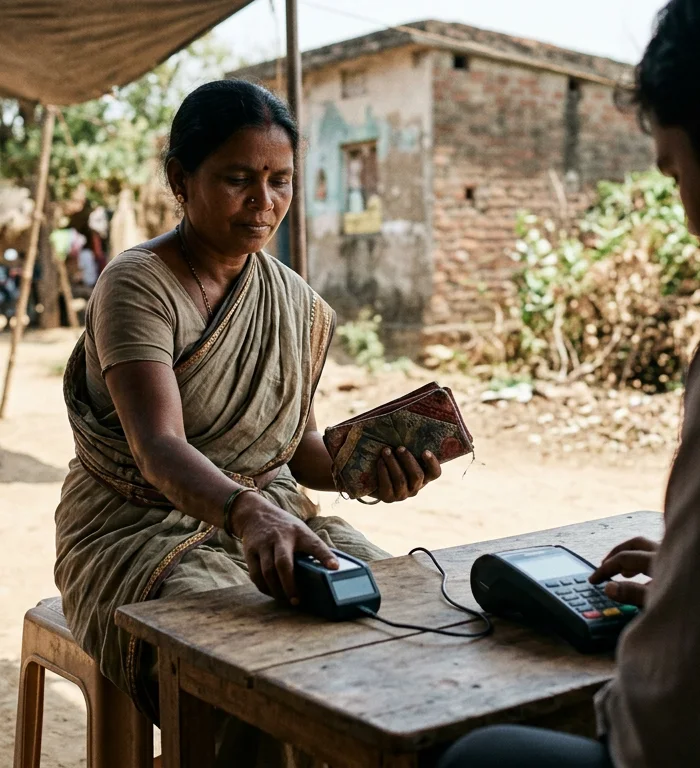
Indian state governments have significantly expanded unconditional cash transfer (UCT) programs, with coverage increasing from one state in 2020 to 15 states and one union territory by 2025. These initiatives currently reach approximately 120 million women, with an estimated annual expenditure of roughly $20 billion. While these programs were initially implemented for electoral purposes, they have demonstrated measurable impacts on household welfare, including increased savings, improved dietary diversity, and enhanced bargaining power for women regarding domestic spending.
Despite these short-term gains, the programs face structural limitations regarding long-term economic empowerment. Data from September 2026 indicates that the female labor force participation rate remains at 34.6%, with a persistent 40.8 percentage point gap between male and female workforce participation. India’s economic parity score, as measured by the 2026 Global Gender Gap Report, stands at 41.2%, reflecting only a 1.5 percentage point improvement over the last two decades. This suggests that while cash transfers provide immediate financial relief, they do not inherently address the systemic barriers to employment, such as childcare responsibilities, social norms, and inadequate infrastructure.
Policymakers face a growing dilemma: cash transfers risk creating long-term dependency if they serve as a substitute for structural economic reform. To achieve durable empowerment, analysts suggest that future policy should shift toward linking transfers to outcome-based indicators, such as improved child nutrition and educational attainment. Furthermore, integrating these financial disbursements with broader institutional reforms—specifically those targeting skills development, safe transport, and access to productive assets—is considered essential to transitioning recipients from welfare dependency to sustainable economic participation. Without such integration, the current fiscal commitment may fail to close the gender gap in economic opportunity.
More stories
- Greece targets 2.3% growth in 2027 budget
- US stocks face Goldman warning on further forced selling
- Bitcoin falls below $57,742 as investors seek other bets
- Nvidia SEC probe examines chipmaker’s accounting issues
- Rwanda women-owned exports fall 51% from 2021 peak
- Nasdaq rout tests IPO appetite as Anthropic gains retreat
- ECB advances climate and nature risk integration after five years
- Lecornu lifts French minimum wage by 1.6% from Dec. 1
- Crypto markets send Bitcoin below $83,000 in risk reset
- US stocks fall as oil tops $107 and yields climb on Fed bets
Latest news
- David Parr House to honor Victorian art-workman with blue plaque
- Iran's attacks hit 25 tankers near Strait of Hormuz
- FCC approves prison cellphone jamming despite 2.5-mile warning
- Russia strikes Ukraine as Odesa faces electricity strain
- Bahrain reports two injuries after Iranian aerial attacks
- Congress tests Black Democrats' growing policy influence
- Baltic responders fight Sparta II fire after drone strike
- Dietitians advise small swaps for plant-based eating