UK Reviews North Sea Drilling Amid Net
The UK government is evaluating environmental assessments for North Sea projects, Rosebank and Jackdaw, to ensure alignment with net-zero goals after court…
Lauren Collins ·
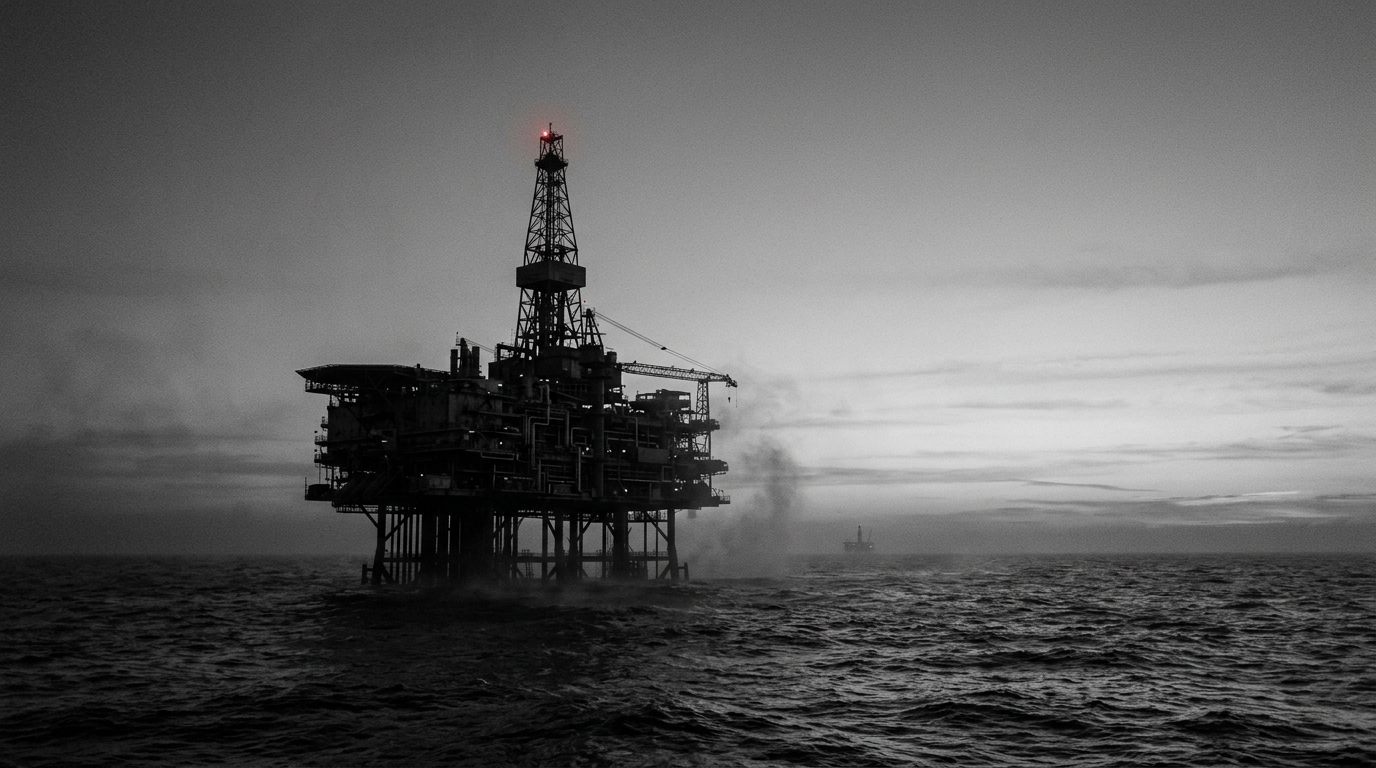
The United Kingdom government is currently assessing updated environmental impact reports for two key North Sea energy initiatives, Rosebank and Jackdaw. This review follows a decision by the Court of Session, which previously found initial assessments to be inadequate due to the omission of downstream combustion emissions. The government's upcoming decisions will determine the progression of these projects, balancing domestic energy needs with legally mandated net-zero commitments.
These developments present distinct considerations. The Jackdaw field is a smaller gas extraction project with a projected shorter operational period. Its potential contribution to UK energy supply is seen as limited but could offer short-term advantages by reducing reliance on imported gas.
Rosebank Project's Extended Horizon
In contrast, the Rosebank project represents a considerably larger oil development, anticipated to operate well beyond 2050. This extended timeline presents significant challenges regarding the UK's international climate pledges, given the substantial long-term emissions associated with its output. The sheer scale and duration of Rosebank are central to the government's ongoing evaluation.
To mitigate environmental concerns, policymakers are considering making carbon capture and storage (CCS) technology a mandatory requirement for project licensing. This approach aims to compel operators to invest in and implement CCS programs, thereby reducing long-term emissions and moving these sites closer to compatibility with net-zero targets.
Economic and Regulatory Compliance
The imposition of stringent CCS requirements could significantly impact the economic viability for the operating companies. The additional capital expenditures and operational costs associated with carbon capture technologies might alter the financial attractiveness of these extraction activities. The regulatory stakes are particularly high.
A failure to establish robust environmental conditions and ensure their compliance could lead to the UK falling short of its own Climate Change Act. Furthermore, such a failure could undermine the nation's adherence to broader international environmental agreements and potentially damage its standing as a leader in global climate action. The outcomes of these decisions will establish important precedents for future fossil fuel projects across the UK, striving to reconcile energy security with environmental stewardship.
Implications for Future Energy Policy
The government's final determination on Rosebank and Jackdaw will signal its priorities in the ongoing energy transition. It will also influence investment decisions in the UK's oil and gas sector. As global energy markets continue to evolve, the balance between domestic resource utilization and climate obligations remains a critical policy challenge for the United Kingdom.