California Honors Farmworkers, Renames Chavez Holiday
California lawmakers voted to rename the March 31 state holiday as Farmworkers Day, with Gov. Newsom expected to sign the bill Thursday.
Cuneyd Erdogan ·
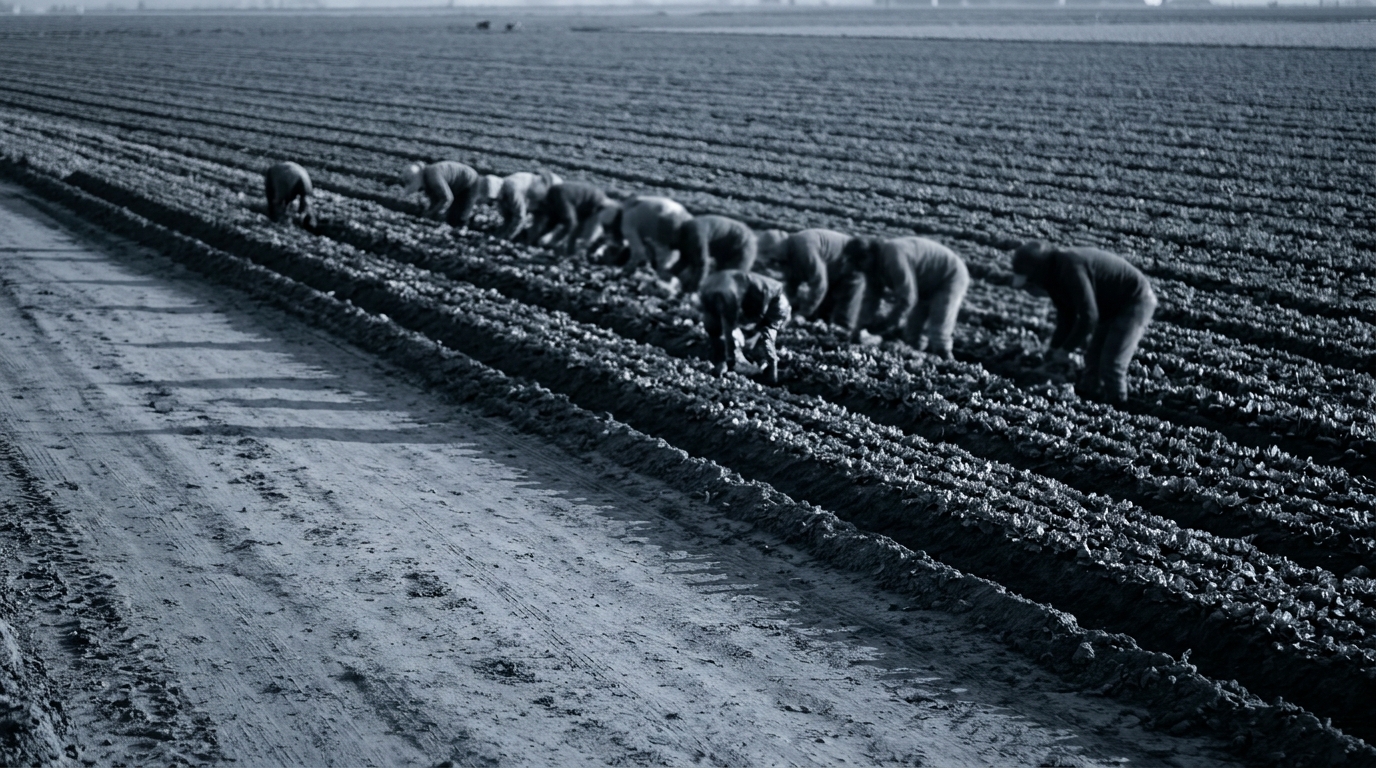
California legislators have approved a change to a long-standing state holiday, voting to rename the March 31 observance previously known as Cesar Chavez Day. The measure would rebrand the date as Farmworkers Day , shifting the emphasis from a single historical figure to agricultural laborers as a group.
Governor Gavin Newsom is expected to sign the bill into law on Thursday. The legislation passed with bipartisan support, marking a notable consensus on a culturally and politically sensitive issue.
What changed, and why it is happening now
The vote comes shortly after a report published last week described allegations of sexual abuse against the late labor leader Cesar Chavez. The report cited multiple women who alleged abuse by Chavez during his leadership of the farmworker movement, including accounts from individuals who said they were children at the time.
The same report included claims attributed to Dolores Huerta, a co-founder of the United Farm Workers (UFW). Those allegations have triggered renewed scrutiny of Chavez’s public legacy and have accelerated efforts to reconsider how his name is used in civic spaces.
How the new holiday framing is intended to work
Supporters of the renaming said the goal is to recognize the broader contributions of farmworkers rather than centering the commemoration on one person. Assembly members argued that the updated name better reflects the collective role agricultural laborers have played in California’s economy and society.
Lawmakers also pointed to current pressures facing farmworker communities, including federal immigration enforcement actions. In that context, they said, a holiday focused on farmworkers as a whole is meant to be more inclusive and more directly connected to present-day realities.
Background and what remains uncertain
California has recognized Chavez’s birthday as a state holiday for nearly 30 years. The day became an official paid holiday for state employees in 2000, embedding the observance into government operations and public-sector labor schedules.
Beyond the holiday itself, the report and the legislative response have contributed to broader efforts in California and other states to remove Chavez’s name from public landmarks and school curricula. The source material does not specify which sites or curricula are being changed, nor does it detail the scope or timeline of those actions.
While the bill is expected to be signed, the final step depends on the governor’s action. The longer-term impact—such as whether additional renamings follow, or how schools and local governments adjust—remains unclear based on the available information.