Brent nears $106 as Iran sets Hormuz deadline
Tehran gave Washington 4-5 days to meet conditions tied to the strait, blockade measures and frozen assets.
Mateo Fernandez ·
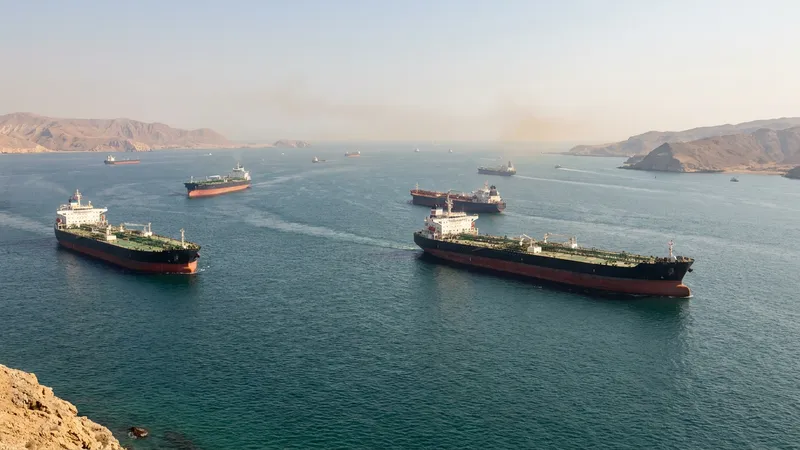
Iran gave the US 4-5 days to meet conditions linked to the Strait of Hormuz, officials said, putting the oil transit chokepoint back at the center of energy-market risk. Brent traded near $106 a barrel following the warning, with traders tracking whether the dispute moves from bargaining language to shipping restrictions.
The talks cover blockade measures, the strait and frozen assets, officials said. The source material did not specify the conditions Tehran is seeking or the form of any US response under discussion.
Hormuz deadline lifts oil risk
The Strait of Hormuz is the key channel between Gulf producers and global buyers, so any restriction would be priced through freight, insurance and crude benchmarks before physical supply is confirmed. If passage remains open while talks continue, the immediate market effect may stay concentrated in risk premiums around Brent and refined products.
If Iran instead moves toward an interruption, the mechanism for higher prices would be direct: fewer cargoes available through the Gulf, higher shipping costs and tighter prompt supply. That would feed into headline inflation for importing economies and complicate rate-cut timing where central banks are already watching energy prices.
For producers, higher crude prices would lift revenue but increase the risk of demand destruction if prices hold near triple digits. For refiners and airlines, the pressure would arrive through feedstock and fuel costs, with margins depending on how much of the increase can be passed through to customers.
The dated marker is the 4-5 day window from September 25, making September 29-30 the next test for whether officials extend talks, narrow the dispute or move toward operational measures around the strait.