Bank of England Poised to Raise Rates as Inflation Fears Mount
The Bank of England indicates potential interest rate increases if energy-driven inflation persists, closely monitoring wage and pricing impacts.
Atlas Newsdesk ·
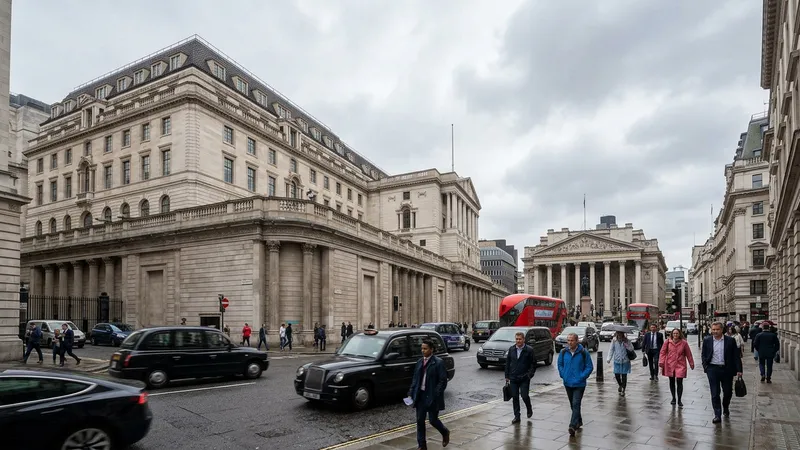
The Bank of England (BoE) has indicated that a tighter monetary policy stance might be necessary, suggesting that interest rates could rise. This potential action is contingent on ongoing inflationary pressures, particularly those originating from energy costs, continuing to affect economy.
Policymakers at the central bank are closely observing how elevated energy prices translate into domestic wage increases and subsequently influence broader pricing strategies across various economic sectors. This assessment is crucial for future policy deliberations.
Evaluating Inflationary Pressures
Deputy Governor Clare Lombardelli confirmed the central bank's concern about potential second-round inflation effects, despite a recent decision to maintain current interest rates. The institution is actively evaluating the economy's resilience and its capacity to facilitate these pass-through effects, where higher energy expenses lead to widespread price increases.
The BoE is also examining whether sustained high energy prices and persistent global supply chain disruptions, particularly within the technology sector, will necessitate an adjustment from its current policy approach. Future decisions regarding interest rates will depend on clear evidence of disinflation and the overall activity levels within the economy.
Central Bank's Strategic Focus
The central bank has clarified that its response to prevailing economic conditions will not be an automatic reaction to fluctuating energy spot prices. Instead, its primary focus remains on the structural interplay between energy price shocks and the underlying momentum of the economy.
This guidance suggests a hawkish bias in the BoE's strategy, which will ultimately depend on both the duration and volatility of external cost pressures influencing the domestic economy. The bank prioritizes a deeper understanding of these complex dynamics over a mechanical response to short-term market movements.