Bangkok pub fire toll reaches 27 after late-night blaze
Bangkok pub fire killed at least 27 people and injured 63, raising questions about exits and emergency readiness at a crowded nightlife venue.
Ayla Demirhan ·
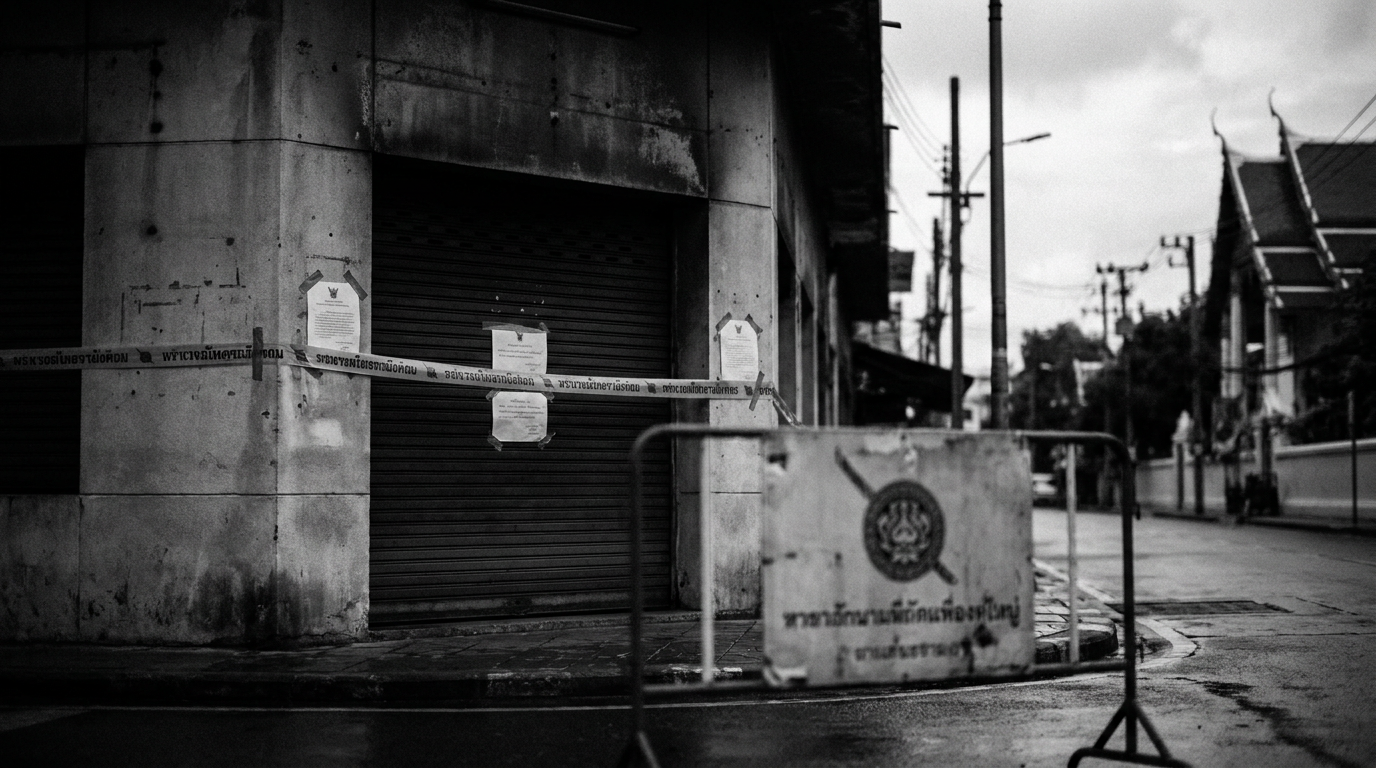
The Bangkok pub fire killed at least 27 people and injured 63, officials said, after smoke swept through a Chatuchak venue.
Prime Minister Anutin Charnvirakul visited the site in the early hours of Monday, putting the disaster immediately at the center of Thailand’s public-safety agenda. Anwut Pho-ampai of the Ruamkatanyu Foundation, a voluntary emergency rescue service, said there were “more than 27 dead.”
Smoke trapped Chatuchak patrons
Anutin said survivor accounts described a fast-moving fire that filled the pub with smoke, sending many people toward the rear of the premises near the bathrooms. He said those accounts indicated there were no fire escapes available to them.
The prime minister told reporters: “We have recovered 27 bodies, others are being sent to hospital.” A Bangkok metropolitan administration official put the number of injured at 63, making the toll one of the heaviest from a nightlife fire in the Thai capital in recent years.
Rong Beer details remain limited
Officials had not released a full account of how the fire began or how many people were inside when it broke out. The venue was identified in initial local accounts as Rong Beer Na Lat Phrao pub in Bangkok’s Chatuchak district.
The uncertainty matters because the first official casualty figures answer only part of the public-safety question. Investigators still need to establish the point of ignition, whether alarms worked, how exits were arranged and whether occupancy rules were followed.
Bangkok’s nightlife economy is tied closely to the city’s standing as a regional tourism hub. A fatal fire in such a setting can quickly move beyond one address, drawing scrutiny to licensing, inspections and emergency access across crowded entertainment districts.
Venue safety enters focus
The most immediate effects fall on victims’ families, injured patrons and emergency teams working through the scene. For Rong Beer Na Lat Phrao, the official inquiry could determine whether the venue faces enforcement action, closure orders or liability claims.
The wider hospitality sector will be watching how authorities frame the cause. If the findings point to failures specific to one premises, the impact may remain concentrated around that venue, with targeted checks on similar pubs and bars.
If investigators instead find broader weaknesses in exit access, occupancy control or inspection practice, the consequences could spread through Bangkok’s entertainment industry. Operators may face higher compliance costs, tighter permitting reviews and more visible safety checks during peak nightlife hours.
The global macro effect is likely to be limited if the case is contained to a single establishment and officials move quickly to clarify the facts. If the episode feeds wider doubts about venue safety in a major tourism market, the mechanism would be reputational rather than financial: visitors, insurers and tour operators would reassess risk around crowded indoor venues.
The next official updates will matter more than early assumptions. Authorities have yet to confirm the cause of the fire, the final death toll, the condition of those hospitalized and whether any safety-code breaches are alleged.