AWS data centers damaged by alleged Iran attacks
Alleged Iranian attacks have damaged AWS data centers in the Middle East, prompting a multi-month repair effort and customer data migration advisories.
Jason Kwon ·
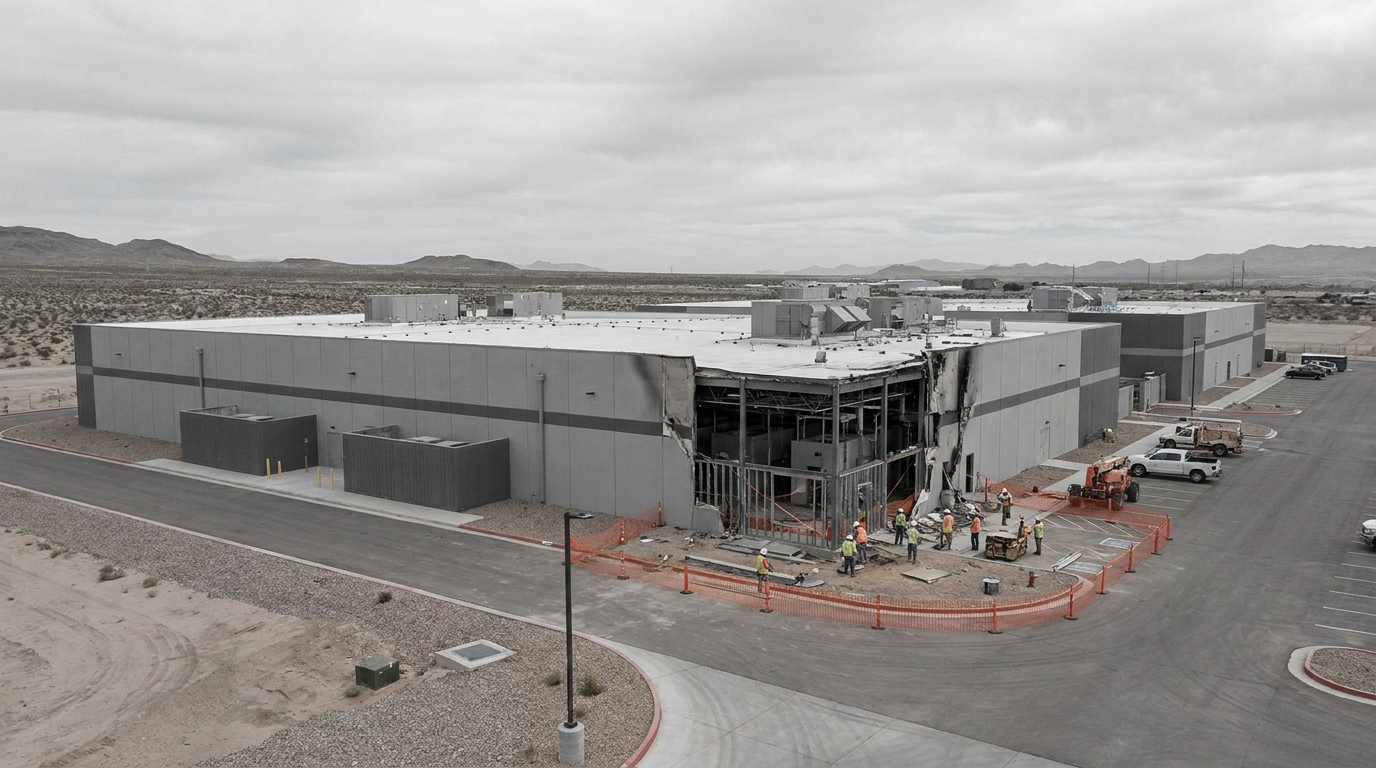
Amazon Web Services (AWS) data centers in Bahrain and the UAE suffered significant damage from attacks allegedly carried out by Iran in early March, according to reports.
The incident has forced AWS to undertake a prolonged repair process expected to last several months. In a communication to clients last week, the cloud computing giant .
Physical Strike on Digital Infrastructure
The alleged attacks represent a significant escalation in regional tensions, shifting from cyberspace to physical strikes against critical digital infrastructure. While cyberattacks on regional assets are common, a direct physical assault on a major U.S. technology provider's facilities is a rare and alarming development.
These facilities are the backbone of the digital economy for countless businesses and public sector organizations across the Middle East. The incidents in Bahrain and the United Arab Emirates occurred at vital hubs for data processing and storage, raising serious questions about the vulnerability of cloud infrastructure in geopolitically sensitive areas.
Neither AWS nor the governments of Bahrain and the UAE have issued official public statements attributing the attacks or detailing the methods used. However, the internal advisory to customers confirms a major service disruption with a long recovery timeline.
Disruption to a Key Cloud Region
The damage affects one of AWS's most important emerging markets. The company launched its first Middle East (Bahrain) Region in 2019, followed by the AWS Middle East (UAE) Region in 2022, investing billions of dollars to capture the area's rapid digital transformation.
By advising customers to migrate to other regions, AWS is signaling that the local infrastructure cannot guarantee stability for the foreseeable future. This requires customers to engage in complex and potentially costly procedures to move their operations and restore files, testing the disaster recovery plans many had in place.
The physical security of data centers is a core tenet of the cloud value proposition, which promises high levels of resilience and uptime. This event challenges that assurance and may prompt a security reassessment by all major cloud providers operating in the region.
Long-Term Implications for Regional Tech
The fallout from these attacks could have lasting consequences beyond the immediate repairs. It may impact future foreign technology investment in the Gulf, as companies weigh the benefits of market access against the heightened physical security risks.
Furthermore, it places a new emphasis on the shared responsibility model for security. While AWS is responsible for the security of the cloud, customers are responsible for security in the cloud, including maintaining robust, multi-region backup and recovery strategies. The advisory to restore from backups highlights the critical importance of this customer-side diligence.
Stakeholders will now be watching for any official attribution of the attack, which could trigger diplomatic or economic repercussions. The incident serves as a stark reminder that in an era of hybrid warfare, digital assets are inextricably linked to physical-world security and conflict.