Australia Analysis Warns NDIS Cuts Hit Some Groups Hardest
Australian government analysis reveals NDIS funding cuts will disproportionately affect individuals with visual impairment, psychosocial disability, and Do…
Lauren Collins ·
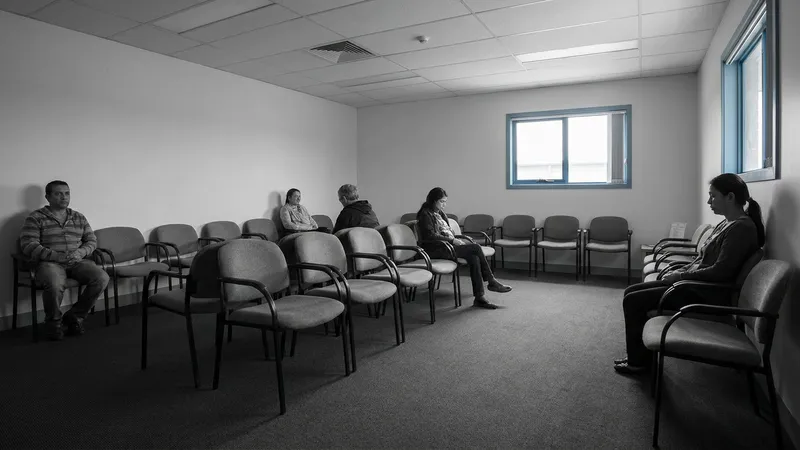
Australian government analysis says proposed changes to the National Disability Insurance Scheme (NDIS) would disproportionately reduce support for people with visual impairment, psychosocial disability and Down’s syndrome, mainly by cutting some participants’ social participation budgets by 50% by the end of 2027.
The analysis, published by the Office of Impact Analysis (OIA) and prepared to inform the Department of Health, forecasts the NDIS will cost more than $117 billion within 10 years—about 2.4% of GDP—without policy changes. Federal budget papers project the package would slow average annual NDIS growth to 3.6% until 2030 and deliver $36.2 billion in savings to the Treasury.
The OIA said reductions would be concentrated in funding for social, civic and community participation (SCCP), which is designed to help participants reduce isolation and build independence. The report said the government preferred this option over others because it “does not impact the health and safety of participants,” while still lowering spending.
As of March 2026, 774,456 people were supported by the NDIS, the analysis said. It also noted that around half of all participants—393,401—have some funding for social activities.
How the proposed budget reductions would work
Under the modelling described in the report, the key savings measure is a targeted 50% reduction in SCCP budgets for some participants by the end of 2027. The analysis said the social budgets of more than 60,000 participants are expected to be halved between October and February 2027, with the remaining participants’ SCCP budgets adjusted by the end of next year.
The report said the government’s rationale is that many participants do not use their full SCCP and capacity-building daily activities (CBDA) allocations. A government spokesperson said the changes are intended to return funding levels to 2023 settings and would not mean reductions for all participants.
Who the analysis says would be most affected
The OIA concluded that some disability groups would be affected more than others because their plans typically devote a larger share of funding to social participation. People with visual impairment were identified as the most affected on average, with modelling showing about 34% of their plans allocated to social participation and an average six-month SCCP budget of $13,233.
For participants with psychosocial disability, about 30% of funding is typically reserved for social activities, the analysis said. For participants with Down’s syndrome, the report put the share at about 28%.
Officials and advocates are expected to continue debating how the proposed changes would be implemented and what they would mean for participants’ ability to access the community and maintain independence.