End of a Musical Era as Bollywood’s Most Versatile Voice Falls Silent
Asha Bhosle dies at 92 in Mumbai after a heart attack, ending an eight-decade career with 12,000-plus songs and global collaborations.
Ayla Demirhan ·
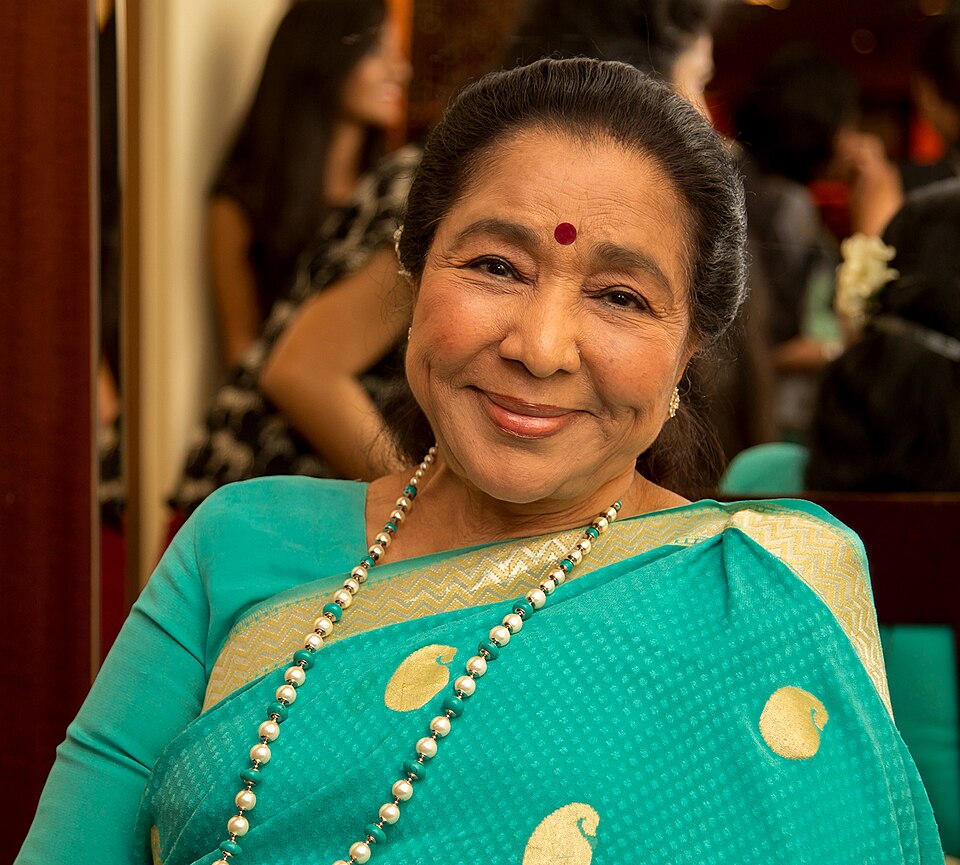
Mumbai: Asha Bhosle, one of India’s best-known playback singers and a defining voice in Bollywood music, has died in Mumbai at the age of 92 after experiencing a heart attack. Officials did not provide additional details beyond the reported cause. Her death marks the end of a career that stretched across more than eight decades and helped shape the sound of Indian cinema for generations of listeners.
Born on September 8, 1933, in Goar, Maharashtra, Bhosle began her musical journey in 1943. Over the course of her long career, she recorded 12,000-plus songs, a volume that placed her among the most prolific voices associated with film music. Her work became closely linked to the evolution of Bollywood’s soundtrack culture, where playback singing is central to how films reach audiences and build lasting popularity.
Bhosle was widely recognized for vocal range and flexibility, moving across styles that included film songs, traditional ghazals, and contemporary pop. That ability to shift tone and genre helped her remain relevant as musical tastes changed over time. Her repertoire also became a reference point for how Bollywood music blended classical influences with modern arrangements, reflecting broader shifts in India’s entertainment industry.
Her collaborations with composers O.P. Nayyar and R.D. Burman produced many widely known hits that influenced the direction of mainstream Hindi film music. R.D. Burman later became her husband, linking a major creative partnership to her personal life as well. Among the songs cited as emblematic of her impact are “Dum Maro Dum” and “Piya Tu Ab To Aaja,” tracks that remain closely associated with the era and sound they helped define.
Bhosle’s reach extended beyond India through international partnerships with artists including Boy George and Michael Stipe. Those collaborations underscored how Bollywood voices could travel across borders and connect with global music audiences, even when rooted in film-driven production. For international markets, her work served as a recognizable entry point into Indian popular culture and the commercial power of cinema-linked music.
What remains uncertain is how the industry will formally commemorate her legacy in the coming days, including any official tributes or public memorial plans. Still, her body of work—spanning more than eight decades and numbering 12,000-plus recordings—stands as a lasting record of her role in Indian cinema’s musical heritage and the global visibility of Bollywood soundtracks.