Egypt Weighs US, Chinese Bids for Critical AI Data Centers
Egypt is evaluating competing proposals from US and Chinese tech firms for AI data centers, impacting its digital future and global tech rivalry.
Lauren Collins ·
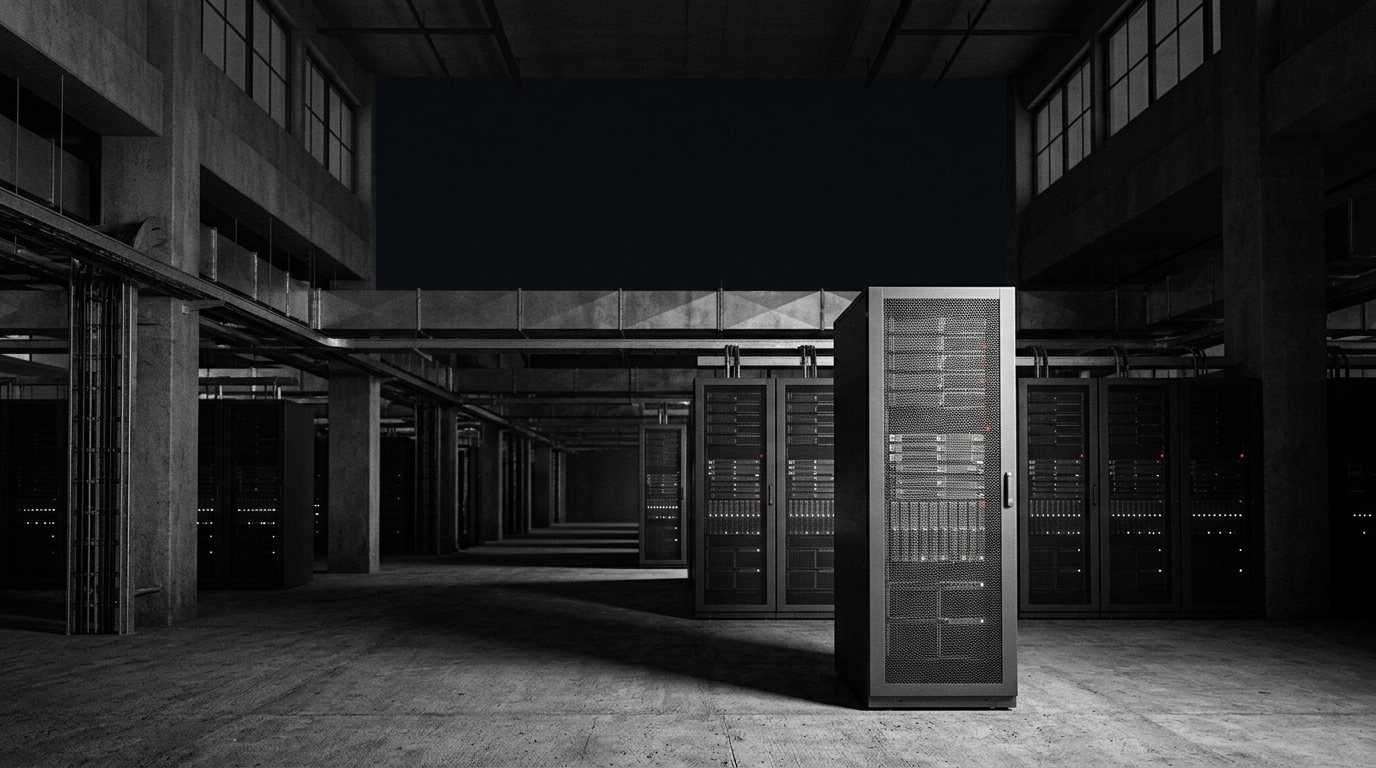
Egypt is currently assessing rival proposals from technology companies based in the United States and China for the construction of advanced artificial intelligence data centers. This pivotal decision carries substantial weight, influencing the nation's technological development and its broader security framework.
The bidding process involves Huawei, a prominent Chinese technology firm, which has put forward an offer to supply over 2,000 Ascend AI processors. In response, the United States has assembled a counter-proposal featuring major domestic tech providers, including Nvidia, Advanced Micro Devices, and Microsoft. This significant infrastructure project aims to enhance military, surveillance, and public-sector operations across Egypt.
Geopolitical Competition Intensifies
The selection of a vendor will not only shape Egypt's digital future but also significantly affect the broader dynamics of global technological competition and regional geopolitical alignments. This contract competition underscores the growing technological rivalry between Washington and Beijing. While American companies attracted approximately $285.9 billion in global private AI investment in 2025, considerably exceeding China's $12.4 billion, Beijing actively leverages its established telecommunications partnerships and competitive pricing to expand its international footprint.
The outcome of Egypt's decision will determine which global power achieves deeper integration into the North African nation's essential digital and security infrastructure. Egypt's strategic geographic position, controlling the Suez Canal and serving as a regional logistics hub, makes it a key arena for both nations to expand their technological influence.
Strategic Positioning and Local Concerns
Huawei's long-standing operational presence in Egypt, coupled with potentially lower costs, could provide China with an advantage in this bid. Conversely, the direct involvement of leading US tech companies signals Washington's determination to prevent deeper Chinese penetration into the digital infrastructure of a crucial ally. The competition for these advanced data centers highlights the broader struggle for technological dominance and influence in key strategic regions.
Domestically, the project faces scrutiny concerning resource allocation, particularly in light of Egypt's severe water scarcity. The country's per capita water share has fallen below 500 cubic meters annually, which is less than half of the United Nations' designated water poverty threshold. Data centers are known for their intensive energy and water consumption, primarily required for cooling the powerful processors essential for advanced operations. Analysts suggest the Egyptian government will likely prioritize the operational requirements of this critical infrastructure. However, the potential long-term environmental and economic impacts remain a significant subject of public debate and official consideration as Cairo navigates this complex decision, balancing immediate strategic needs with sustainable development concerns.
Long-Term Implications for Regional Tech
The decision also sets a precedent for other nations in the Middle East and Africa considering significant investments in AI infrastructure. The choice made by Egypt could influence future technology partnerships and procurement strategies across the region, where both the US and China are vying for influence. The strategic partnership formed will dictate not only technological capabilities but also data governance frameworks and cybersecurity standards, which are critical for national security and economic stability in the digital age.