Ukraine Urges EU to Unlock €200 Billion in Russian Assets
Kyiv is intensifying diplomatic efforts for the release of over €200 billion in frozen Russian central bank assets held within the EU.
Lauren Collins ·
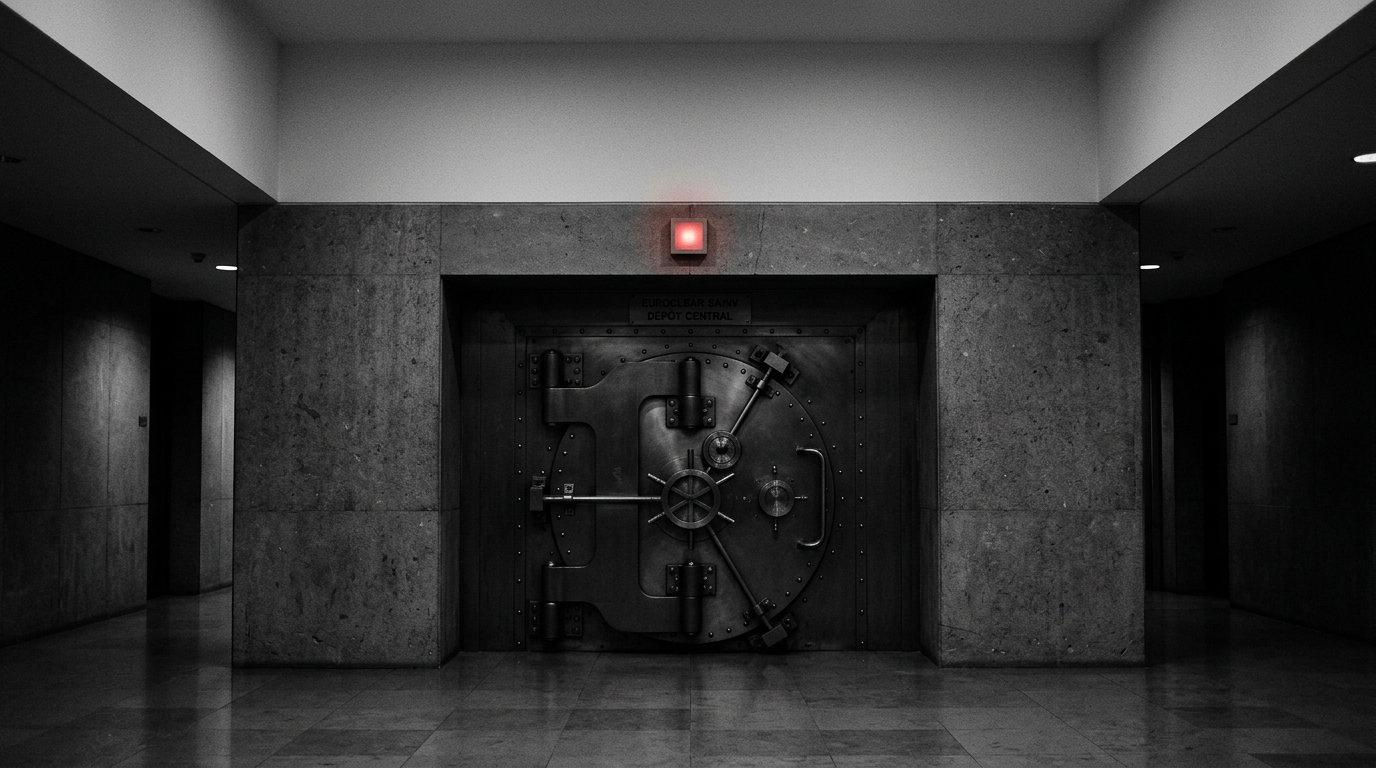
Ukraine is actively pressing for access to more than €200 billion in immobilized Russian central bank assets, predominantly held within the European Union. Kyiv's proposal includes partial disbursements and stronger financial guarantees aimed at addressing the legal and fiscal obstacles that have previously hindered the initiative.
Belgium, where the majority of these assets are located through the Euroclear depository, continues to opposition to the plan. The Belgian government has cited significant risks, including potential litigation and retaliatory measures from Russia, as primary concerns preventing the release of these funds. These fears highlight a broader apprehension within the EU about setting a precedent for sovereign asset seizure.
Renewed Diplomatic Push for Funds
A group of European Union members, including the Netherlands, Poland, Spain, and Sweden, has formally requested that the European Commission explore new mechanisms for utilizing these frozen assets. This renewed effort underscores the increasing urgency regarding Ukraine’s growing budget deficit, particularly as the conflict with Russia extends into its fifth year. However, the Commission has largely maintained its focus on existing loan disbursement frameworks as the primary method of support.
Ukrainian officials argue that the direct utilization of these assets would provide a more substantial and sustainable funding source for the nation's reconstruction and budgetary needs. The ongoing debate within the EU reflects a tension between the political will to support Ukraine and the legal complexities and potential economic repercussions of asset confiscation.
Addressing Belgian Concerns and Seeking Consensus
Policymakers are currently examining whether broader international participation, extending beyond the European Union, could offer the necessary security assurances to alleviate Belgium's stated concerns. The involvement of non-EU partners might help distribute the perceived risks and strengthen the legal framework surrounding any potential asset mobilization.
Despite these ongoing discussions and proposals for mitigation, a comprehensive consensus among EU member states to modify the existing legal framework governing the frozen assets has not yet been achieved. The lack of unanimity remains a significant hurdle, requiring careful navigation of diverse national interests and legal interpretations. Should new financial guarantees be successfully established, potentially involving countries outside the EU, a portion of the €200 billion in Russian assets could become accessible.
Potential Impact and Wider Implications
Such a development would provide crucial financial support for Ukraine, helping to alleviate its substantial budget deficit and potentially stabilize its economy amid the ongoing conflict. However, this action also carries the risk of provoking severe legal and economic retaliation from Russia. European financial institutions, particularly those based in Belgium, could face significant repercussions.
The broader financial industry would need to carefully evaluate any new precedents set for sovereign asset seizure, considering the potential implications for international financial stability and investment confidence, especially in emerging markets. This situation underscores the delicate balance between geopolitical objectives and the long-term integrity of global financial systems.