

Apple and Intel reach preliminary chip manufacturing agreement, WSJ reports
Apple and Intel have reportedly reached a preliminary agreement for Intel to manufacture chips for Apple devices, boosting Intel’s manufacturing ambitions.
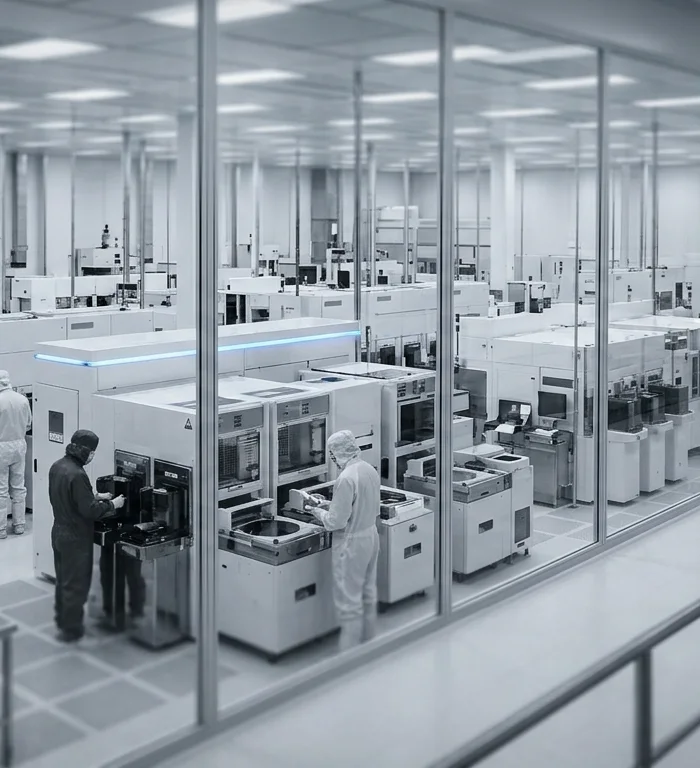
Apple and Intel have reached a preliminary agreement for Intel to manufacture some of the chips used in Apple devices, The Wall Street Journal reported on Friday, citing people familiar with the matter.
The companies have been in talks for more than a year and finalized a formal deal in recent months, according to the report. It was not immediately clear which Apple products would use chips made by Intel.
The potential arrangement would mark a win for Intel as it works to revive its chip manufacturing business and expand its role in chipmaking.
Apple shares were up about 2% following the report, while Intel’s stock extended gains and was last up about 14%. The companies did not immediately respond to a request for comment.
Earlier reports said Apple had held exploratory discussions with Intel and Samsung about producing main processors for its devices.
More stories
- Europe faces attribution gap after 16 cyber, physical incidents
- PIF backs Grand Theft Auto as Saudi players embrace game
- Signal limits screenshots to curb AI access to messages
- Cognition runs Devin Mac workspaces on EC2 in 6 AWS regions
- Salesforce engineers cut 600-failure triage to 90 minutes
- Türkiye Desk: GTA 6 puts console access and network demand in focus
- Kalshi Gets $1 Billion Coatue-Led Round at $22 Billion Value
- AI Rivals Anthropic, xAI Ink Major Data Center Agreement
Latest news
- Macy’s parade faces balloon limits as storm winds approach
- COP31 climate talks collapse over fossil fuels and funds
- Highly diversified investors report 91% confidence in retirement
- Russian military faces 1,087 recorded suicides in Ukraine war
- US faces China, Russia in Africa minerals contest
- Russian war deaths top 460,000, Guardian says
- Nvidia board gets Trump input on Jensen Huang return as CEO
- Rwanda faces budget strain from 85% electricity access push