Energy Supplies Stumble as Border Unrest Compounds Libya and Tunisia Power Crisis
Libya-Tunisia unrest is intensifying as heat and infrastructure failures fuel protests, disrupting energy operations and pressuring state institutions.
Atlas Newsdesk ·
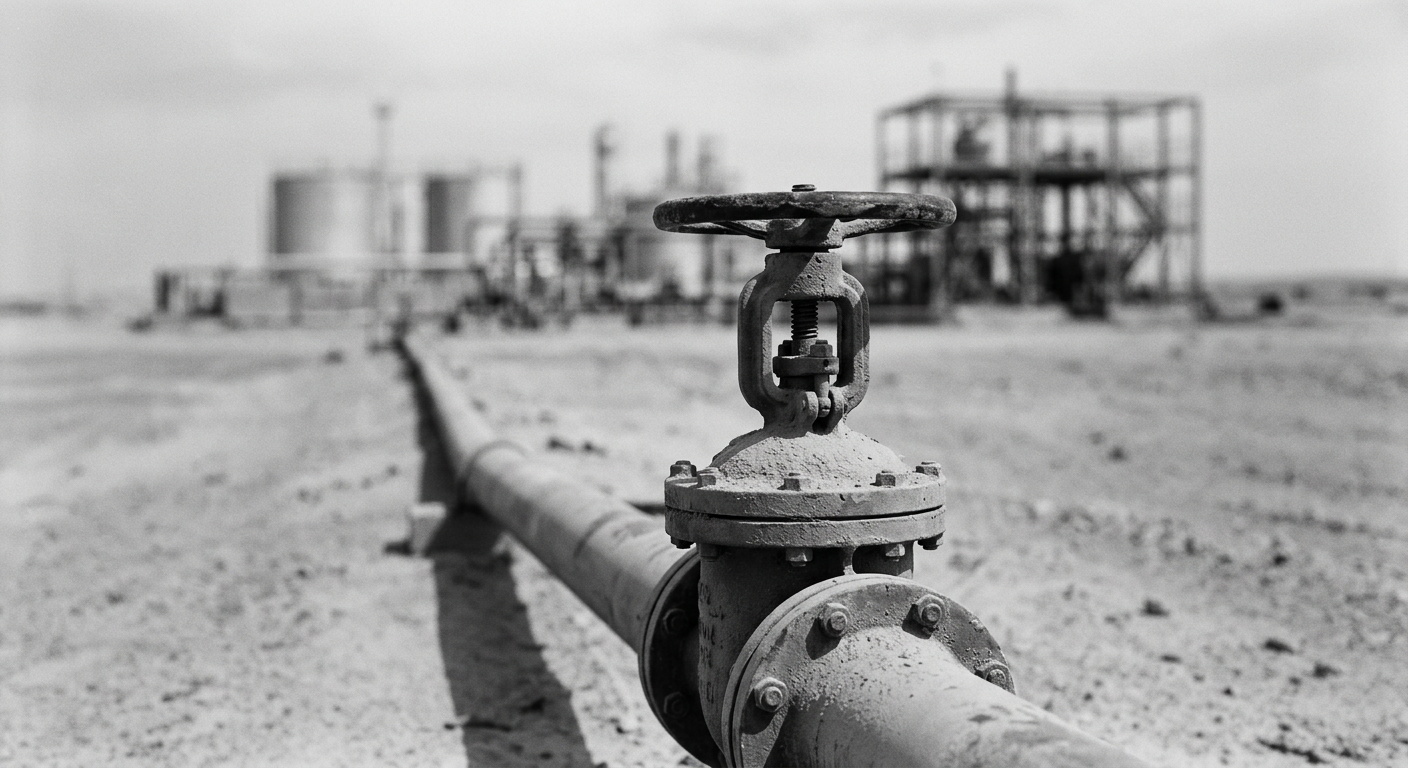
Anti-government protests have intensified in Libya and Tunisia, with demonstrators linking their grievances to prolonged infrastructure breakdowns during extreme heat.
Officials and reports cited systemic power outages and broader service failures as key triggers, adding pressure on governments already facing weak economic conditions.
Libya protests target energy and financial nodes
In Libya, protesters have directed their actions toward facilities and institutions seen as central to state capacity and revenue management.
The Mellitah Oil and Gas complex temporarily suspended operations amid the unrest, according to the information provided. Demonstrators also obstructed branches of the central bank.
These moves were described as a response to public anger over extended electricity cuts and allegations of mismanagement in how oil revenues are handled.
Tunisia faces continued demonstrations and political demands In Libya In Tunisia, protests have continued with demands focused on political change, including calls for the executive to resign and for political prisoners to be released. The administration is facing growing criticism over its capacity to keep basic services running, as the same heat-and-power dynamic sharpens public frustration. Reports also cited significant fatalities tied to heat-related power failures, adding urgency to demands and reinforcing the perception of state underperformance. Economic weakness adds pressure to governance Economic indicators were described as fragile across this backdrop of street mobilization. The information provided highlighted high youth unemployment and GDP growth that is trailing regional averages.
With household stress rising during outages and public-sector credibility under strain, demonstrations have increasingly focused on institutions that symbolize service delivery, public finance, and political authority.
Operational risks for energy and finance remain elevated
These developments point to heightened risks for regional stability and for operational continuity in sectors exposed to disruption, including energy and financial services.
The source material described the existing governance structures as struggling to resolve service delivery failures, suggesting the potential for continued mobilization rather than a quick return to normal conditions.
Security risks were assessed as elevated, with public dissatisfaction over economic conditions and political detention continuing to translate into direct action against state institutions. How quickly authorities can restore reliable services, and whether political demands ease or escalate, remain key uncertainties.