Australian Teens Easily Evade New Social Media Restrictions
Australian teen social media ban shows limited impact after three months, with 81% of 10–15s still using restricted platforms, officials said.
Atlas Newsdesk ·
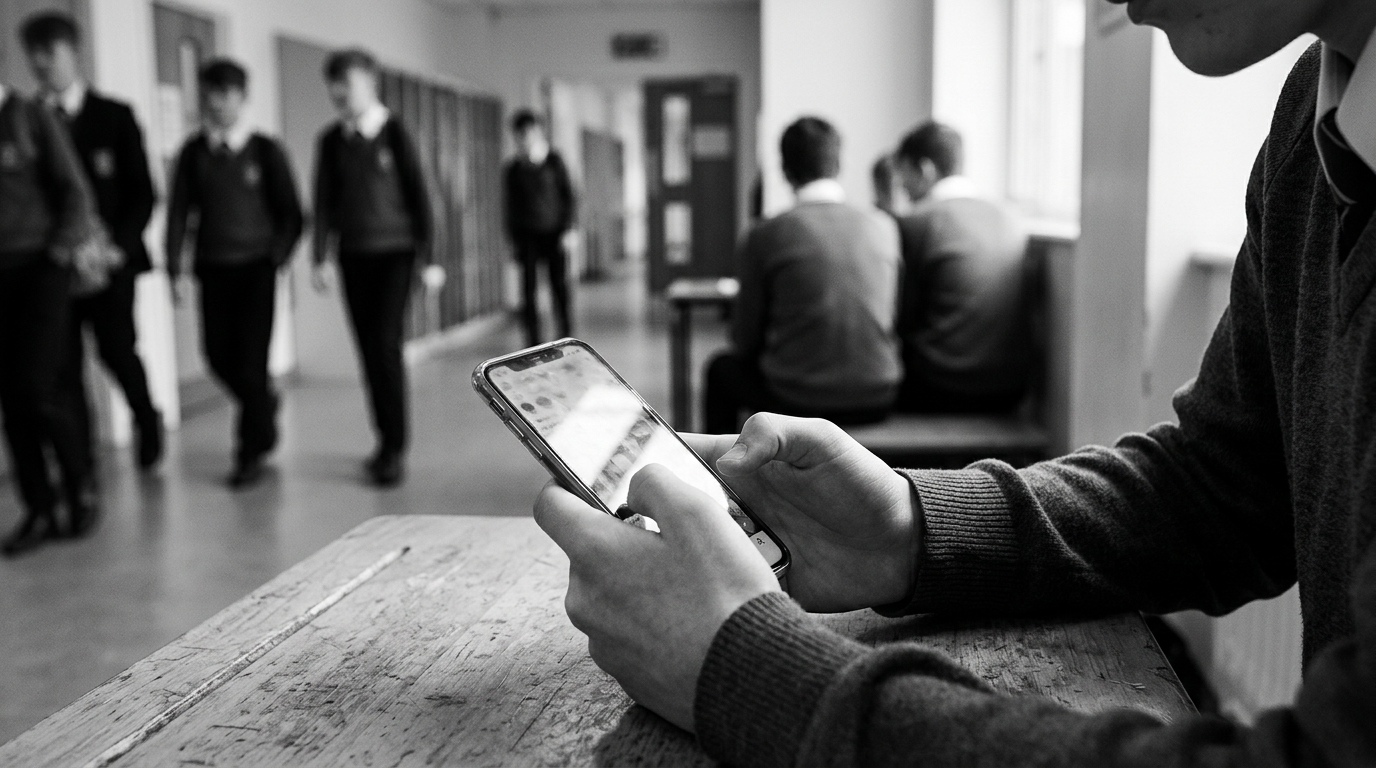
More than 80 percent of Australian teenagers are still using restricted social media services three months after Australia rolled out a nationwide ban for users under 16, according to a report released Friday by the eSafety Commissioner.
The report found that access patterns among children aged 10 to 15 have barely moved since the restrictions began. It said 81 percent of surveyed minors remained active on platforms covered by the ban, compared with 86 percent before the policy took effect.
eSafety Commissioner report shows minimal change
Daily use also showed only a small decline in the same age group. The report put daily usage at 58 percent, down from 60 percent before the ban.
The findings point to gaps in implementation by technology companies, with the report attributing the steady usage rates to the lack of strong age-verification measures on platforms required to enforce the under-16 restriction.
Age checks often absent or easily avoided
About half of the minors surveyed said the platforms they used did not ask them to confirm their age. Others said they were able to keep access by entering false birth dates.
The report also described weaknesses in automated age-assurance tools, saying some children were able to exploit flaws in these systems to bypass restrictions.
Government defends the policy’s purpose and effects
Australia’s government introduced the legislation in December 2025, describing it as a world-first step aimed at reducing mental and physical health risks linked to youth social media use.
Officials acknowledged that compliance is not total, but said the law still matters as a regulatory framework. They argued it has changed the public debate around digital safety and has led to the closure of millions of accounts.
Benchmark for countries weighing similar rules
The eSafety Commissioner’s findings are being positioned as a reference point for other governments that are considering limits on young people’s access to social media. The report provides early indicators of what happens when legal restrictions are introduced without robust, consistent age-verification on the services expected to enforce them.
At the same time, the data underscores uncertainty about the degree to which account closures and policy messaging translate into reduced day-to-day use among children, given that the reported decline in daily usage was marginal over the first three months.
Implications
Country Impact: The report suggests Australia’s under-16 framework has so far not significantly reduced social media use among children aged 10 to 15. Officials say the law remains necessary and cite account closures and a shift in digital-safety debate, even as non-compliance persists.
Industry Impact: Technology companies face increased pressure to implement stronger age-verification and more reliable age-assurance systems. The report highlights that missing age prompts, false birth dates, and weaknesses in automated tools can undermine enforcement.
Market Impact: The findings are likely to be watched by policymakers and platforms as other countries assess similar restrictions. Early evidence of limited behavioral change may intensify scrutiny of compliance tools and the practical costs of enforcement.