Ankara-Istanbul High-Speed Rail Journey Time to Shorten
New infrastructure projects will cut the Ankara-Istanbul high-speed rail travel time from 4 hours 7 minutes to 3 hours 37 minutes.
Atlas Newsdesk ·
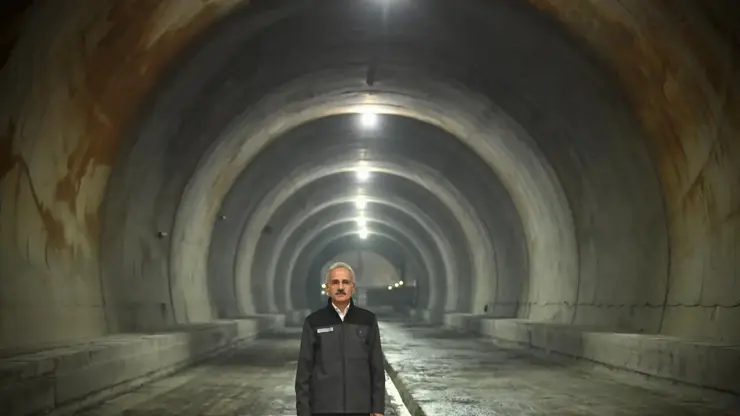
The travel duration for high-speed train services between Ankara and Istanbul is set to decrease significantly, according to an announcement by the Minister of Transport and Infrastructure, Abdulkadir Uraloğlu. Upon the completion of the ongoing T26 Tunnel and Doğançay Ripaj-2 projects, the journey between these two major cities will be reduced from 4 hours and 7 minutes to just 3 hours and 37 minutes.
Minister Uraloğlu highlighted the rapid progress of these initiatives, which aim to alleviate bottlenecks along the critical rail corridor. These projects are specifically designed to resolve existing issues in key sections of the Eskişehir-Istanbul route.
Key Infrastructure Upgrades
The T26 Tunnel project is expected to substantially enhance the performance of the Ankara-Istanbul high-speed rail line. Situated in the Alifuatpaşa-Arifiye segment, this tunnel will ensure track integrity, allowing trains to maintain speeds of up to 250 km/h.
Replacing a 9.2-kilometer conventional line with the 8-kilometer T26 Tunnel will shorten the Bozüyük-Bilecik travel time by 11 minutes, bringing it down to 9 minutes. This improvement is anticipated to reduce delays caused by single-track sections, thereby facilitating smoother train operations.
Doğançay Ripaj-2 Project Details
The Doğançay Ripaj-2 project encompasses a total of 7,544 meters of tunnels and an additional 3,795 meters of safety tunnels. Furthermore, the project includes the construction of approximately 795 meters of viaducts.
Once completed, this segment will see travel times drop from 23 minutes to a mere 4 minutes. This particular improvement alone will contribute a 19-minute saving to the overall Ankara-Istanbul high-speed rail journey.
Broader Network Contributions
These new developments follow the successful opening of the 12-kilometer Doğançay Ripaj-1 section in 2022, further boosting the line's capacity. The objective is to provide passengers with a faster and more comfortable travel experience.
The Ministry of Transport and Infrastructure aims to strengthen the railway's contribution to the nation's broader transportation network through these modernization efforts. The completion of these projects is expected to significantly increase the appeal of rail transport.
Future Implications and Challenges
The reduced travel time is expected to boost economic activity and tourism between Ankara and Istanbul, making high-speed rail a more competitive option against air and road travel. However, ensuring timely completion of such complex engineering projects often presents challenges, including unforeseen geological conditions or supply chain disruptions.
While the projects promise substantial time savings, the long-term maintenance and operational efficiency of these new sections will be crucial for sustained benefits. The integration of these upgrades into the existing network also requires careful planning to avoid temporary service disruptions during the final phases of construction.