Community Opposition Halts AI Data Centers in SE Asia
AI data center projects in Malaysia and the Philippines were withdrawn this month due to strong local opposition over environmental and resource concerns.
Jason Kwon ·
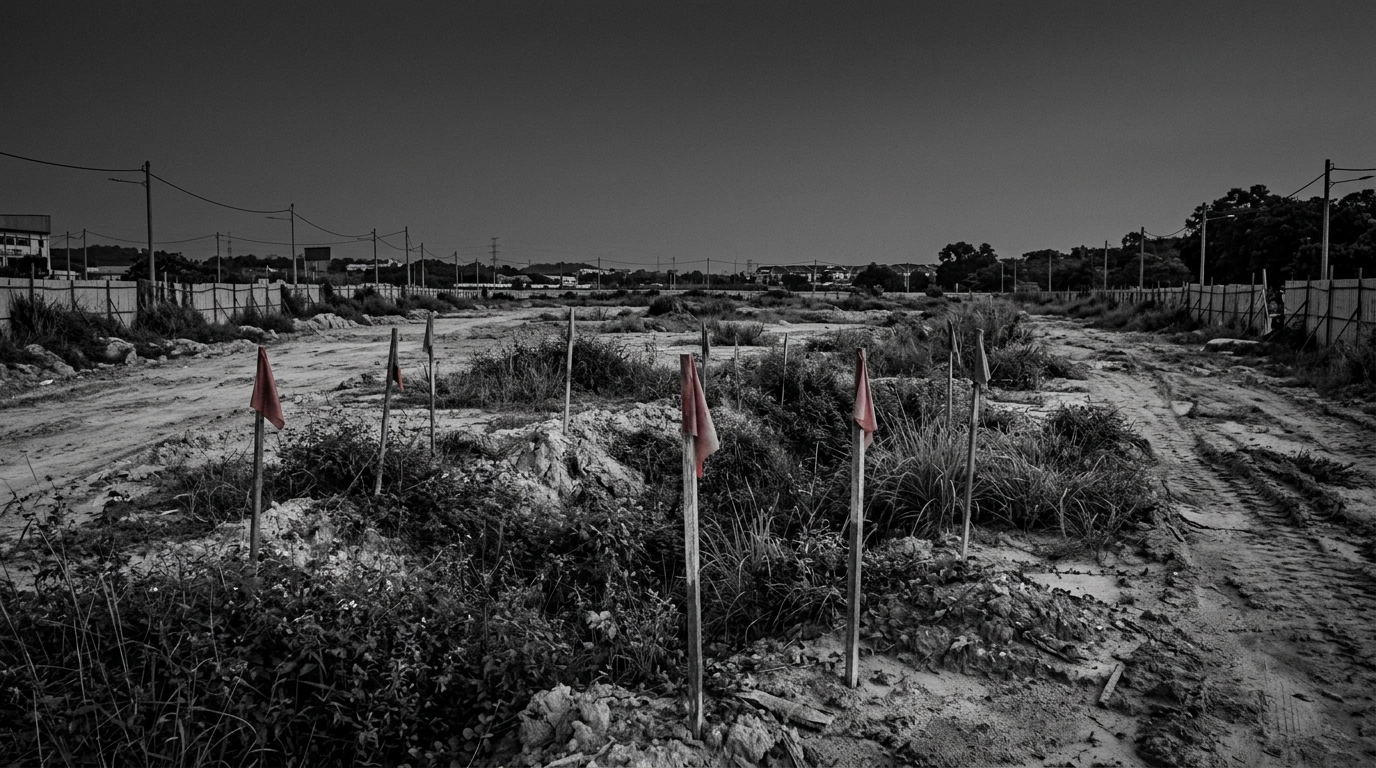
Developers have recently canceled proposals for two artificial intelligence data center projects in Malaysia and the Philippines. The withdrawals followed significant opposition from local residents who raised concerns about the environmental and resource demands of such facilities. These incidents highlight a growing tension in Southeast Asia between governmental efforts to attract digital infrastructure investments and community pushback against their local impacts.
Governments across the region have actively promoted cloud computing infrastructure, aiming to draw foreign investment and create digital employment opportunities within their rapidly expanding economies. However, community members living near proposed development sites are increasingly challenging these projects, frequently citing issues such as noise pollution, substantial water consumption, increased traffic, and the suitability of land for such large-scale operations.
Malaysian Project Faces Petaling Jaya Resistance
In Malaysia, a planned three-story data center complex in Petaling Jaya, specifically Section 9 of the Kota Damansara township, met immediate resistance. Residents had anticipated a vacant plot near a community forest would be used for retail development. Instead, the Petaling Jaya City Council received an application for two data center buildings designed to support extensive cloud computing needs.
The proposed development provoked strong objections from the community due to its perceived environmental footprint within a residential area. By July 21, local authorities had recorded approximately 290 formal objections. Nine days later, officials announced that the developer's consultant had withdrawn the application, indicating a need to reassess the site's viability and development components.
Philippine Proposal Withdrawn in Oton
A similar outcome unfolded in Oton, a municipality situated in the central Philippine province of Iloilo. During a public hearing, local residents and farmers voiced strong objections to a proposed 50-megawatt artificial intelligence data center. Their primary concerns focused on the potential adverse effects on local agricultural resources, a critical issue in the region.
Following the intense community opposition presented at the hearing, the project proponent left the proceedings. Local news outlets subsequently reported, two days later, that the proposal had been formally withdrawn. These events underscore the increasing challenges digital infrastructure projects face across Southeast Asia, as they must navigate the complex balance between the surging demand for cloud computing services and critical factors like residential zoning regulations and existing local grid capacities.
Broader Regional Implications
The decisions in Malaysia and the Philippines reflect a broader trend where the rapid expansion of technology infrastructure clashes with local environmental and social considerations. As AI and cloud services become more ubiquitous, the demand for energy and resources from data centers is projected to escalate. This creates an ongoing dilemma for policymakers and developers, who must find sustainable ways to integrate these essential facilities without causing undue burden on local communities or ecosystems.
The outcomes of these projects suggest that future digital infrastructure initiatives will require more robust community engagement and environmental impact assessments from the outset. Ensuring transparent communication and addressing local concerns early could be crucial for the successful implementation of such developments in densely populated or resource-sensitive areas.