Altman Downplays AI Job Losses Fears
OpenAI CEO Sam Altman expressed optimism that rapid AI advancement is not causing a global jobs apocalypse.
Jason Kwon ·
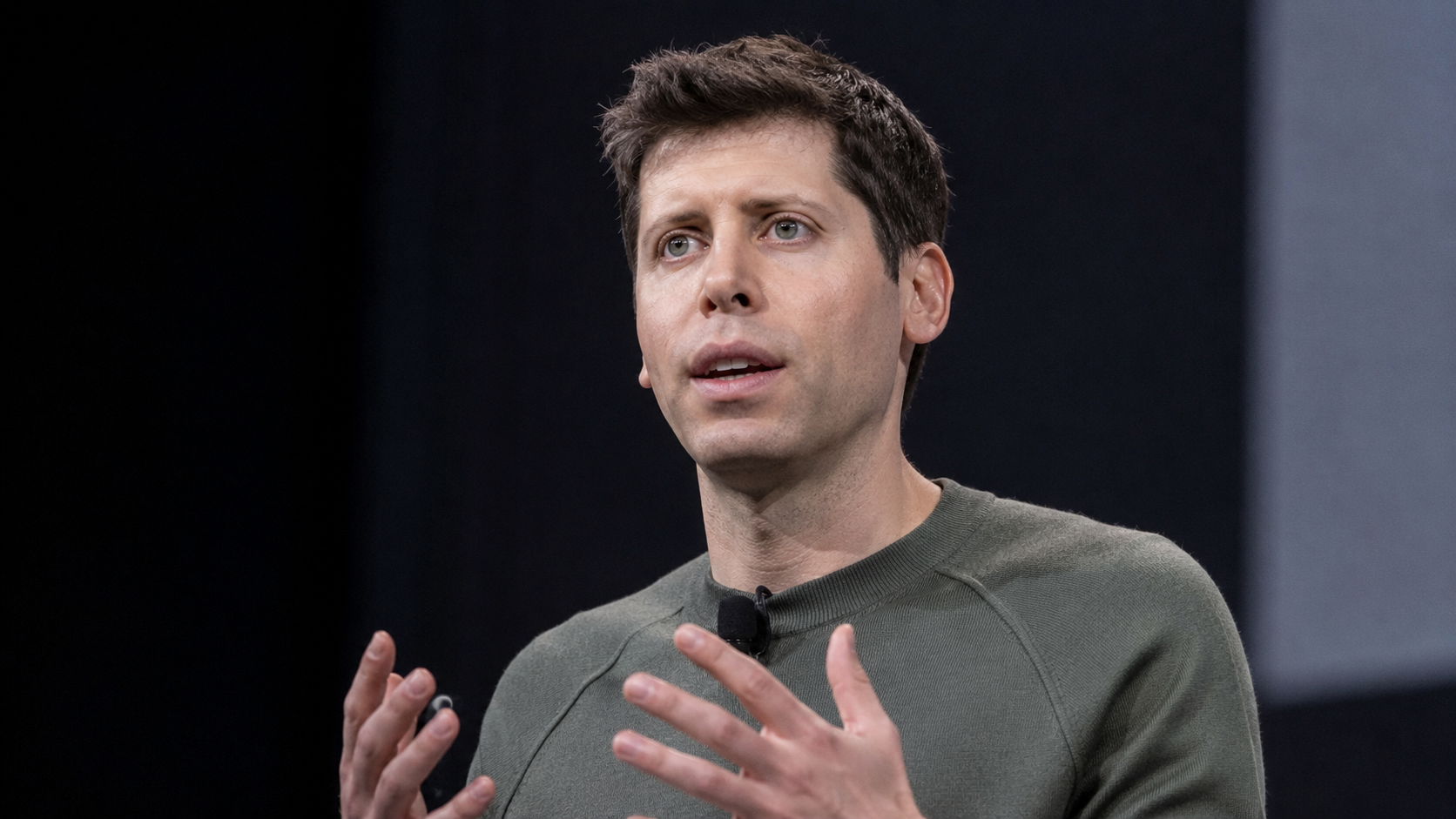
OpenAI CEO Sam Altman stated that the swift advancement and integration of artificial intelligence are not resulting in a widespread "jobs apocalypse" globally. Speaking at an Australian conference, Altman acknowledged that the feared impact on white-collar employment has not materialized as quickly as anticipated.
AI's Impact on Employment
Altman participated in a virtual discussion at the Commonwealth Bank of Australia (CBA) conference in Sydney. He admitted that OpenAI executives had been largely accurate regarding the technological trajectory of AI, particularly following the 2022 launch of ChatGPT. However, he conceded that their predictions about the social and economic repercussions of this technology were significantly off.
The tech leader expressed relief that his initial concerns about AI's effect on employment have proven to be overstated thus far. He specifically mentioned that fewer entry-level white-collar positions have been eliminated by AI than he had predicted.
Reframing Fears and Future Outlook
Altman indicated that he now possesses a clearer understanding of the factors mitigating AI's immediate impact on the workforce. While grateful for the less severe outcome, he acknowledged his initial intuitions were incorrect in this regard. He defended his earlier public discussions about potential risks, explaining he felt it was important to address the possibility of significant job displacement then, and that such risks could still emerge.
Although no specific employment figures were provided during the discussion, Altman has previously commented on the potential for AI to drive industry-wide job reductions. His current stance reflects a tempered view on the immediate societal disruption caused by AI, suggesting a more gradual integration into the professional landscape than initially feared.
This perspective contrasts with some prevailing narratives that emphasize AI's capacity for widespread job automation. Altman's comments suggest that while the technology's capabilities are advancing as predicted, its real-world integration and its effects on employment are more complex and slower to manifest than some earlier projections indicated.
The conversation highlighted the nuanced relationship between technological progress and societal adaptation. It points towards a future where AI may augment rather than solely replace human roles, and where the pace of change plays a critical factor in mitigating negative employment effects. Future developments will be closely watched to see if these trends continue or if the predicted widespread job losses eventually materialize.