Sudan's Health System Collapses Amidst Escalating Conflict
Sudan health crisis worsens as conflict disrupts care, with 34 million needing aid, outbreaks spreading, and attacks limiting access since April 2023.
Ayla Demirhan ·
Sudan’s health emergency is worsening as ongoing fighting continues to erode medical services and accelerate the spread of disease and hunger, according to officials and humanitarian organizations. They say the conflict is widening gaps in basic care and leaving communities more exposed to preventable illness as displacement and disrupted public health services strain already limited capacity.
Humanitarian needs are described as extensive. About 34 million people require humanitarian assistance, and 21 million are assessed as needing health support. Projections indicate that more than 4 million people will face acute malnutrition by 2026 , highlighting the scale of the challenge for families and aid providers.
International organizations report multiple infectious disease outbreaks across several states. Malaria and dengue are among those cited, alongside measles and polio. Officials and aid groups link the heightened risk to reduced access to clinics, interruptions to routine services, and population movement that makes prevention and treatment harder to sustain.
Violence affecting the health system is also constraining treatment. Since April 2023 , there have been 217 verified incidents involving attacks on healthcare facilities, ambulances, patients, and medical personnel. Those incidents have been linked to 2052 deaths and 810 injuries, underscoring the dangers faced by civilians seeking care and by staff trying to keep services running.
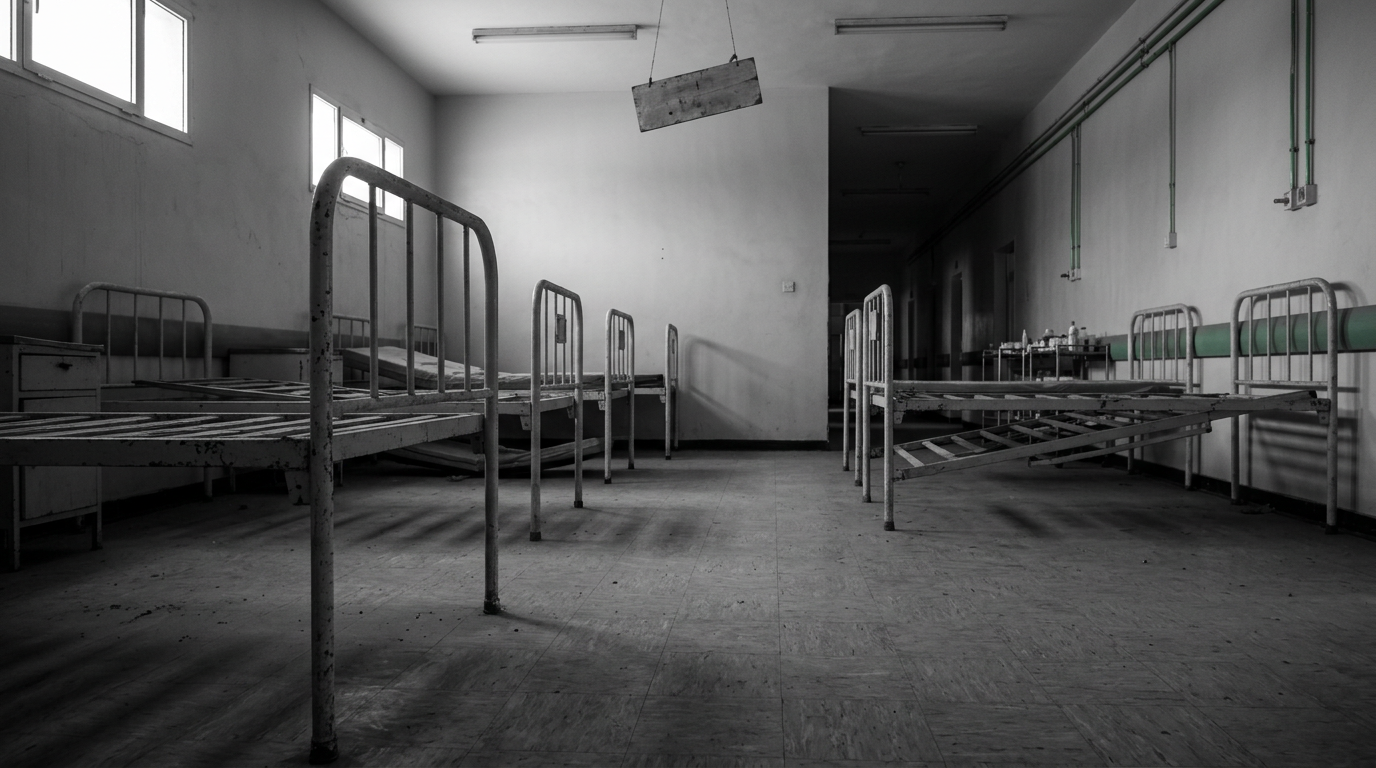
Service capacity has deteriorated nationwide. Across Sudan’s 18 states, 37% of health facilities are reported to be non-functional, with conditions described as especially severe in conflict-affected areas where hospitals are only partly operating or have shut down. With fewer sites able to provide treatment, patients are being forced into longer and riskier travel, which can delay care and increase complications.
Humanitarian delivery is also being obstructed by insecurity. Aid groups say restricted movement and attacks are limiting the ability to move supplies and staff, and they cite the recent incident at El Daein Teaching Hospital as an example of the operational risks. International organizations say they continue to provide medical supplies and support, while emphasizing that sustained funding and unrestricted access are essential for an effective response.
For global stakeholders, the situation is being shaped by the interaction of conflict, public health breakdown, and constrained aid access, humanitarian organizations said. They describe the immediate priority as protecting medical services and enabling safe delivery of assistance. At the same time, they acknowledge significant uncertainty over how quickly support can reach the people most in need while insecurity persists.