NY02:57
    LDN07:57
    HKG14:57
    TYO15:57
    Gold4,513+0.85%
    Bitcoin77,513+0.25%
    Gold4,513+0.8%
    Bitcoin77,513+0.3%
    LATEST NEWS
    Canada Faces Calls to Reopen Probe Into Plasma Donor Deathabout 1 hourYoung Activists Demand End to EPA Rollbacksabout 1 hourVienna jury convicts ex-Austrian officer of spying for Russiaabout 1 hourAI Boom Fuels Nvidia's Record Quarterabout 3 hoursSpaceX Eyes Public Market Debutabout 3 hoursUK to Offer Free Bus Travel for Children in Englandabout 3 hoursEagles linebacker Nolan Smith Jr. arrested in Georgia for reckless driving, speedingabout 3 hoursUAE Advisor: Iran Policy "Failedabout 5 hoursGaza Aid Group Nears Collapse Amid Funding Shortfallabout 5 hoursBezos Defends Amazon's Melania Filmabout 5 hoursUK Radio Station Erroneously Reports King's Deathabout 5 hoursAIPAC Conceals Election Spendingabout 5 hoursBolivian President Announces Cabinet Reshuffleabout 5 hoursTrump's $1.8B Settlement Funds 'Anti-Weaponization' Programabout 5 hoursCanada Faces Calls to Reopen Probe Into Plasma Donor Deathabout 1 hourYoung Activists Demand End to EPA Rollbacksabout 1 hourVienna jury convicts ex-Austrian officer of spying for Russiaabout 1 hourAI Boom Fuels Nvidia's Record Quarterabout 3 hoursSpaceX Eyes Public Market Debutabout 3 hoursUK to Offer Free Bus Travel for Children in Englandabout 3 hoursEagles linebacker Nolan Smith Jr. arrested in Georgia for reckless driving, speedingabout 3 hoursUAE Advisor: Iran Policy "Failedabout 5 hoursGaza Aid Group Nears Collapse Amid Funding Shortfallabout 5 hoursBezos Defends Amazon's Melania Filmabout 5 hoursUK Radio Station Erroneously Reports King's Deathabout 5 hoursAIPAC Conceals Election Spendingabout 5 hoursBolivian President Announces Cabinet Reshuffleabout 5 hoursTrump's $1.8B Settlement Funds 'Anti-Weaponization' Programabout 5 hours
    Markets

    Mideast Strife Reroutes Global Oil Investment

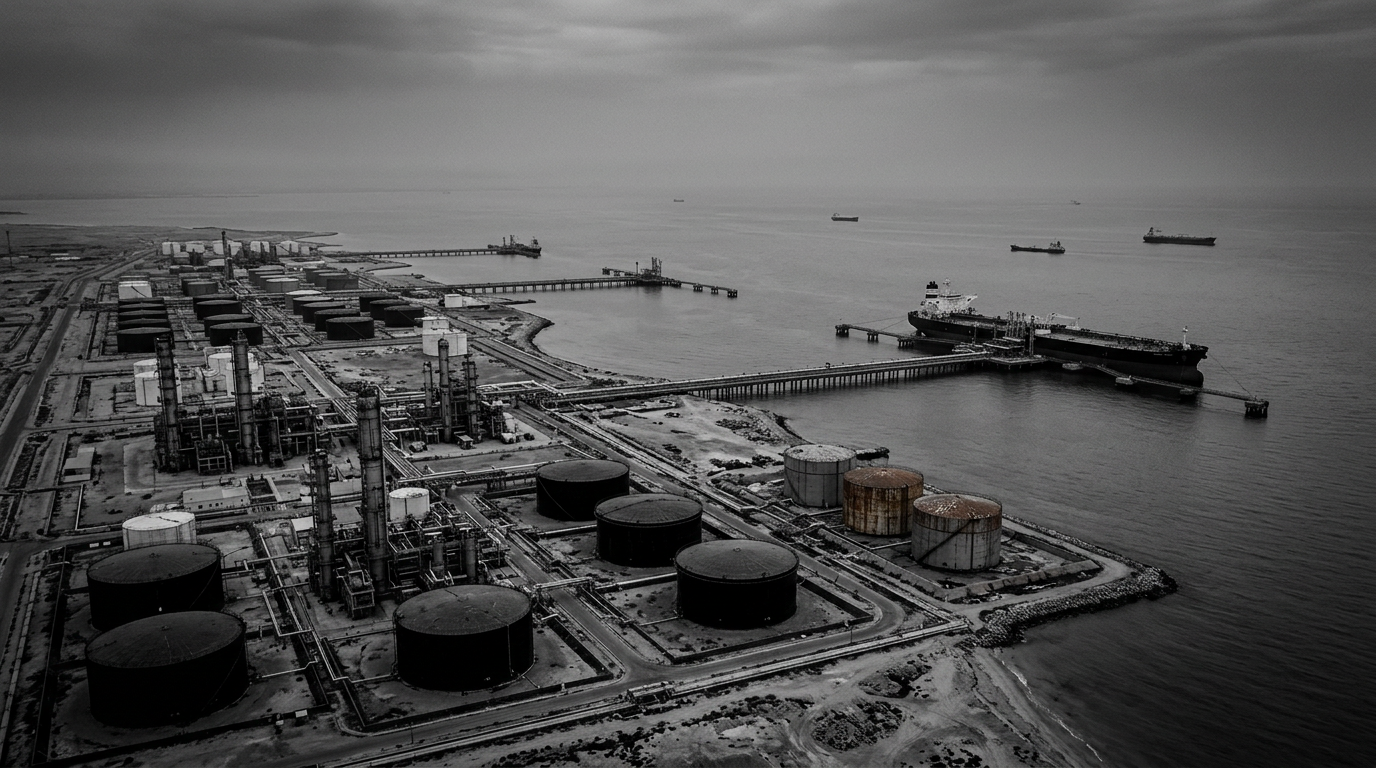
    Mideast conflict is pushing oil majors to reassess Middle East spending after infrastructure damage and Hormuz disruption lifted 2030 Brent to $72.

    Published30 Mar 2026, 14:01:45
    Mideast Strife Reroutes Global Oil Investment
    A360
    Key Takeaways✦ Atlas AI
    01

    Conflict raises Middle East investment risk.

    02

    Oil majors seek new exploration frontiers.

    03

    Long-term oil prices reflect higher risk.

    Atlas AI

    Atlas AI

    Major international oil companies are reassessing how much capital to commit to the Middle East after a U.S.-Israeli conflict with Iran that began five weeks ago, according to the information provided. The fighting has damaged energy assets and interrupted movement through the Strait of Hormuz, a key route for regional exports. As a result, companies are weighing whether future exploration and development should tilt toward other areas described as “new frontiers.”


    The conflict has affected roughly one-fifth of global oil and liquefied natural gas (LNG) production, with dozens of facilities reported damaged across the Gulf. A prominent example cited is Qatar’s LNG hub, which sustained damage from an Iranian missile strike on February 18. The material says the hit could translate into $20 billion a year in lost revenue and that repairs could take as long as five years.


    ATLAS SIGNALGeopolitics, Energy Markets, Global EconomyHigh1–3 months
    41d

    Geopolitical Instability in the Middle East Threatens Global Energy Supply and Economic Stability

    Escalating conflict in the Middle East, particularly involving Iran and the Strait of Hormuz, has led to significant damage to energy infrastructure and heightened fears of prolonged disruptions to global oil and gas supplies. This geopolitical instability is directly impacting international energy markets, driving up prices, and creating inflationary pressures worldwide, complicating monetary policy decisions for central banks.

    180 stories
    View Issue

    Transit disruption has centered on the Strait of Hormuz, described as a critical chokepoint for 20% of global oil and gas flows. The closure of the strait has been linked in the material to an estimated $1 billion per day in lost export revenue for the region. The same set of facts indicates that the perceived geopolitical risk for projects in the Middle East has increased, pushing investors and companies to demand a higher risk premium for exposure to the area’s energy sector.


    Pricing signals referenced in the material point to a repricing of longer-dated oil expectations. Long-term Brent crude prices for 2030 are said to have climbed by about 10% to $72 per barrel since the conflict began. The information provided frames this move as consistent with heightened uncertainty around supply reliability and infrastructure security in a region that is central to global energy trade.


    The reassessment comes despite the Middle East’s large resource base. The material states the region holds about half of global proven oil reserves and 40% of proven gas reserves. It also notes that Middle Eastern assets represent substantial portions of some major companies’ portfolios, citing an example that 41% of Exxon’s reserves are tied to the region.


    Investment levels underscore what is at stake for both producers and global markets. Oil and gas investment in the Middle East totaled $130 billion in 2025, according to the material. Even with those commitments, the combination of infrastructure damage, shipping disruption, and uncertainty is described as likely to redirect future spending decisions, with implications for where new supply is developed and how global energy companies balance risk across their portfolios.


    Share

    Related Articles

    Atlas360

    Sign up for Atlas Daily

    The daily global news briefing you can trust.

    every weekday·Read it now

    or
    Sign in

    Already subscribed? Sign in and we won't show you this message again.