UAE Quits OPEC, Prioritizes National Interests
UAE will leave OPEC effective May 1, citing diverging interests and economic priorities, a move that could reshape production policy and prices.
Lauren Collins ·
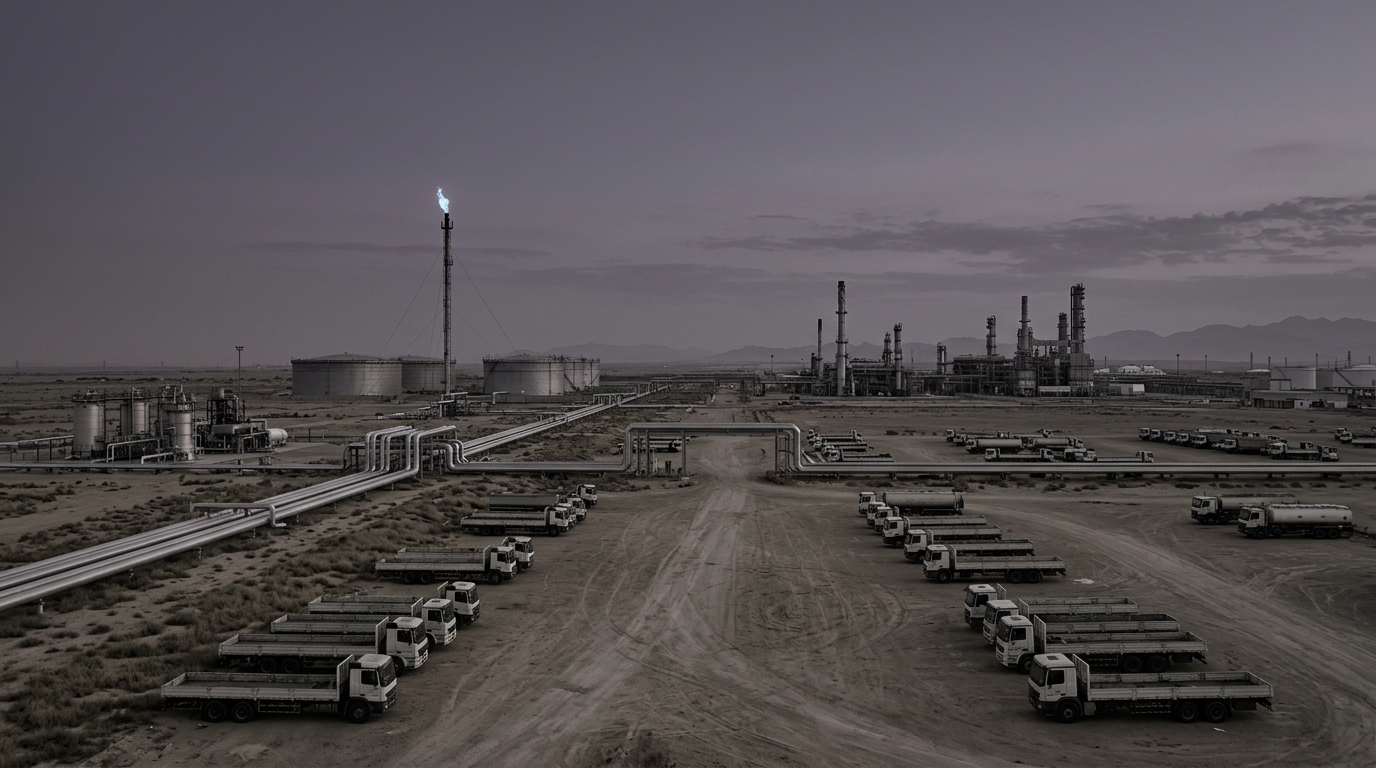
The United Arab Emirates (UAE) has announced it will withdraw from the Organization of the Petroleum Exporting Countries (OPEC) effective May 1, citing diverging national interests and economic priorities. Officials said the decision had been discussed internally for several years before being finalized.
The move marks a major change for a significant oil producer within the group and comes after other departures in recent years, including Qatar’s exit in 2019 and Angola’s in 2023. The UAE’s decision is expected to give it greater independence over oil policy once it is no longer bound by OPEC production caps.
Policy independence and production caps
According to the announcement, leaving OPEC would allow the UAE to exceed the cartel’s output limits and potentially maximize energy revenues. The source material links this to the UAE’s desire to monetize its reserves ahead of a projected peak in oil demand.
The UAE’s economic approach is also described as increasingly oriented toward global economic growth rather than prioritizing oil price support. The source attributes this shift in part to the country’s substantial sovereign wealth funds, which can reduce reliance on near-term oil price outcomes.
Geopolitical frictions shaping the decision
The source material ties the withdrawal to evolving regional dynamics, including a growing rivalry between the UAE and Saudi Arabia. It says that competition became more visible through military actions in Yemen.
Security concerns are also cited. Iran is an OPEC member, and the UAE’s stance has been influenced by worries about Iran as well as Russia’s partnership with Iran, according to the source. The UAE has faced Iranian targeting and has expressed dissatisfaction with regional responses to Iranian actions, including incidents involving the blocking of oil shipments through the Strait of Hormuz.
Potential effects on oil prices and OPEC cohesion
The source material says the UAE’s departure could contribute to lower global oil prices, a development that could benefit the U.S. At the same time, it warns that the change introduces a risk of increased price volatility.
It also raises questions about OPEC’s long-term viability without a key member like the UAE. However, the source does not specify how other members will respond, whether production policies will be adjusted, or how quickly market effects could materialize.