Sudan conflict raises famine risk for millions
Sudan conflict is driving famine conditions and severe hunger as of April 2026, with blockades, displacement, and aid shortfalls worsening needs.
Lauren Collins ·
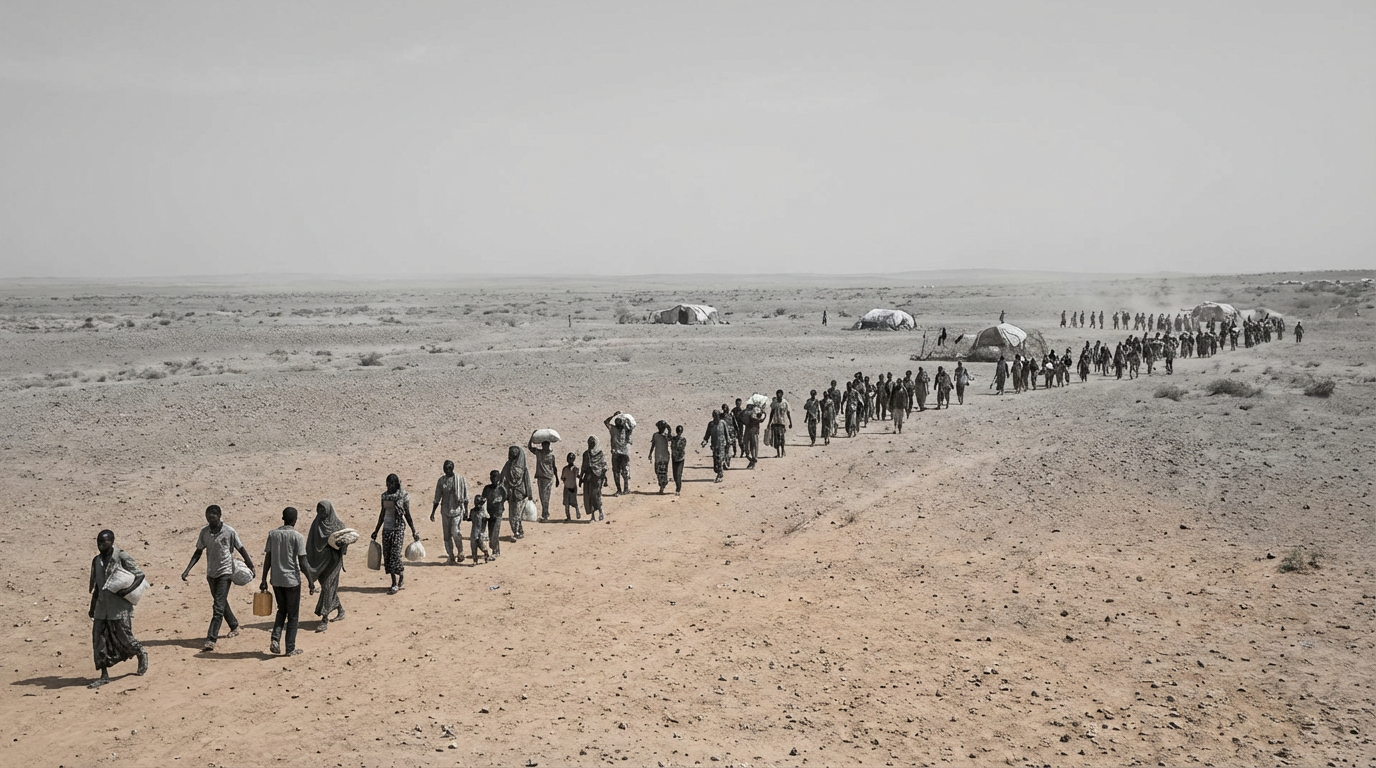
Ongoing conflict in Sudan has pushed large parts of the country into severe food insecurity and famine conditions for millions of people as of April 2026, with Darfur and Kordofan among the hardest-hit regions.
Officials and aid agencies have linked the sharp deterioration to sustained fighting, long-running sieges, and restrictions that have disrupted the movement of food, fuel, and medicine into besieged communities.
el-Fasher siege and RSF takeover in North Darfur
The Rapid Support Forces (RSF) paramilitary group took over el-Fasher in North Darfur six months before April 2026, after an 18-month siege, according to the source material.
A United Nations investigation into the situation cited hallmarks of genocide, underscoring the scale of civilian harm described alongside the humanitarian emergency.
Prolonged blockades in towns under siege, including el-Fasher, have cut off essential supplies, leaving residents with limited access to food, fuel, and medicine, the source said.
Famine declarations and reported spread to Kordofan
The Integrated Food Security Phase Classification (IPC) hunger-monitoring system declared a famine in el-Fasher in November, marking a formal assessment of catastrophic conditions in the city.
Similar famine conditions have also been reported in Kadugli, South Kordofan, according to the same account, indicating that extreme hunger is not confined to Darfur.
Global Report on Food Crises figures for September 2026
The 2026 Global Report on Food Crises said that by September, about 375,000 people faced extreme hunger, with the most acute concentrations in North Darfur, South Kordofan, and West Kordofan states.
Those figures sit within a wider national picture described by the United Nations, which estimated that nearly 25 million people—more than half of Sudan’s population—face crisis levels of food shortages or worse.
The UN estimate includes 4.2 million children under five, highlighting the heightened risks for young children in areas where food access and basic health services have been disrupted.
Displacement and constraints on humanitarian response
The conflict has displaced nearly 12 million people by the end of 2025, making Sudan the world’s largest internal displacement crisis, according to the source material.
Aid agencies have reported persistent funding shortages and impediments to access linked to ongoing violence, factors that have limited the ability to deliver assistance at scale.
How quickly conditions can improve remains uncertain, as the same constraints—active fighting, blockades, and restricted access—continue to shape both supply flows and humanitarian operations across the country.