Hormuz Strait Shut Down After Ship Attacks
Iran closes Strait of Hormuz on April 18, 2026; UKMTO confirms tanker fired upon near Oman as ships and crews remain stranded.
Lauren Collins ·
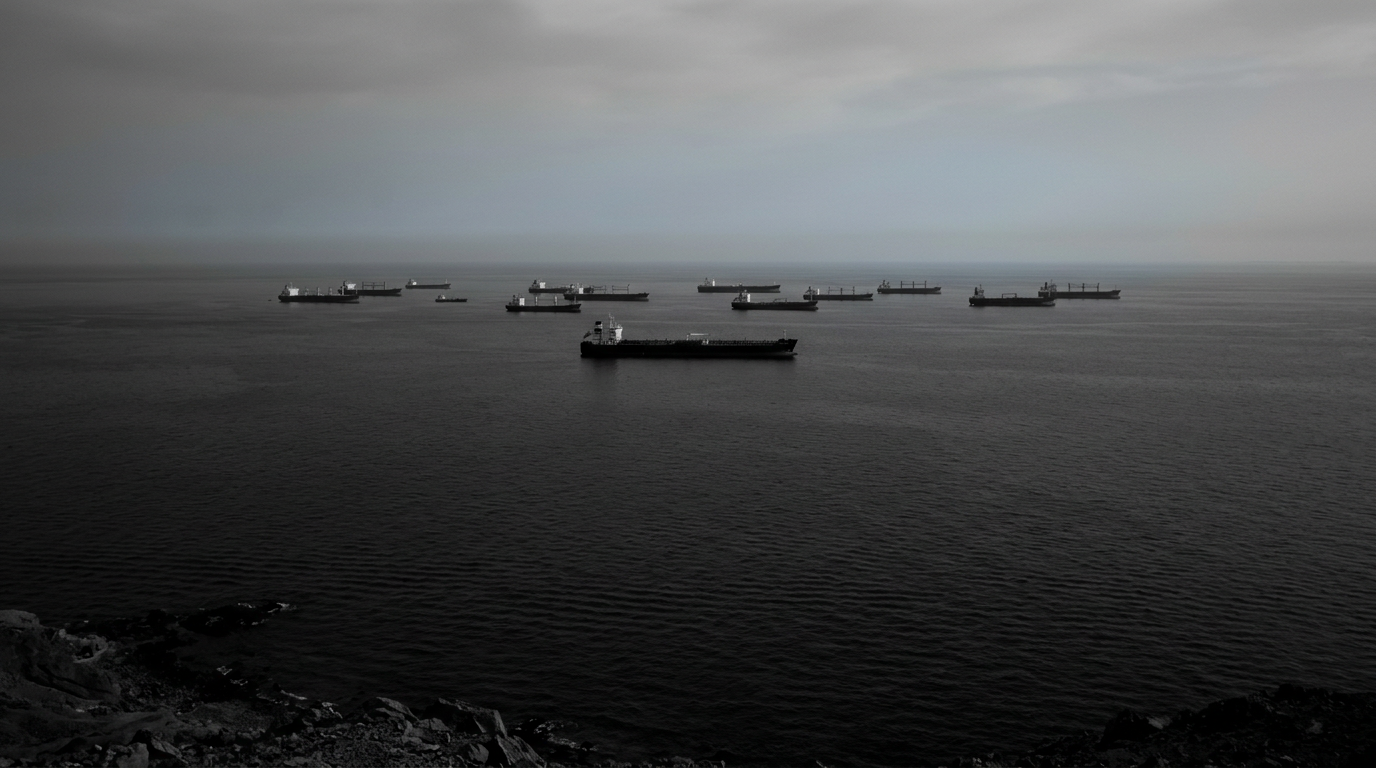
Iran’s navy on Saturday, April 18, 2026, broadcast radio warnings to commercial traffic in the Strait of Hormuz, stating the passage was closed and that vessels were not permitted to transit. Officials linked the move to negotiations with the United States, with the broadcast citing what it described as the U.S. government’s failure to meet commitments.
The closure followed an earlier notice that had allowed limited movement through the waterway under restrictions. After the later radio messages, two commercial ships reported taking gunfire from Iranian boats in waters between Qeshm and Larak islands, according to the incident accounts described in the source material. Both vessels were forced to turn back.
The United Kingdom Maritime Trade Operations (UKMTO) agency confirmed an incident 20 nautical miles northeast of Oman. UKMTO said a tanker captain reported being approached and fired upon by two Islamic Revolutionary Guard Corps gunboats. UKMTO reported the tanker and its crew were safe.
A separate maritime security source said a container ship also sustained gunfire. The source material did not provide additional details on the vessel’s identity, cargo, or any injuries, and it did not specify whether the container ship incident occurred at the same time or location as the tanker report.
The Strait of Hormuz is described in the source as a critical chokepoint for energy trade, carrying approximately 20% of global oil and liquefied natural gas flows. With the waterway declared closed, the source said hundreds of ships were stranded in the Gulf, along with an estimated 20,000 seafarers.
For global markets and governments, the immediate focus is on the operational disruption to shipping and the safety of crews in and around the strait. The reported gunfire incidents, alongside the blanket prohibition on passage, raise near-term risks for commercial routing decisions, marine insurance considerations, and the ability of energy and goods cargoes to move through the Gulf.
Key uncertainties remain based on the information provided. The source material does not state how long the closure will last, what enforcement measures will be applied beyond the reported incidents, or whether any formal notices to mariners were issued beyond radio broadcasts. It also does not detail any response steps by other governments or naval forces operating in the region.
Implications
Country Impact: Iran’s declaration affects Gulf states and Oman due to the strait’s geography and the reported incident northeast of Oman. The source also ties the closure to U.S.-Iran negotiations, placing the issue within a broader diplomatic context involving the United States.
Industry Impact: Shipping and energy sectors face immediate disruption because the source describes the strait as handling approximately 20% of global oil and liquefied natural gas flows. The report of vessels being fired upon also elevates safety concerns for crews and operators transiting the area.
Market Impact: With hundreds of ships and an estimated 20,000 seafarers stranded in the Gulf, the source indicates a significant logistical shock to maritime traffic. The scale and location of the disruption matter for global commodity transport and broader trade flows that depend on Gulf shipping routes.