

Umman Açıklarındaki Tanker Olayı Sonrası Petrol Fiyatları
Umman kıyılarında bir tankerin hasar görmesiyle petrol fiyatlarında hafif bir düşüş yaşandı; piyasalar arz kesintisi beklenmediği için sakinliğini koruyor.
Denizcilik Güvenliği ve Piyasa Tepkisi
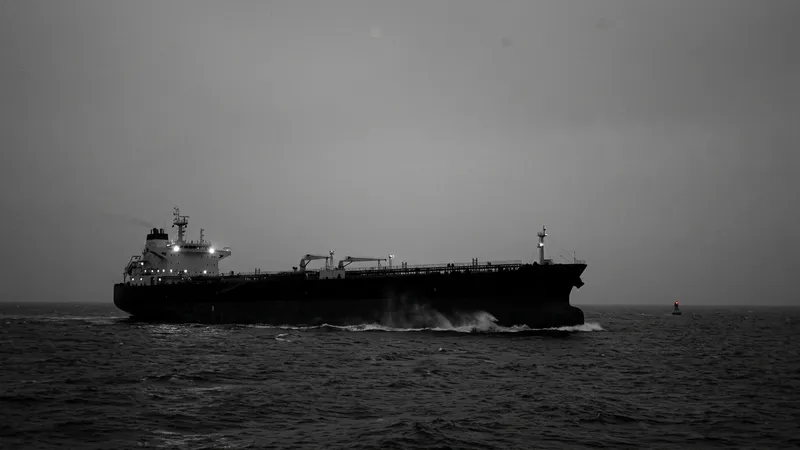
Umman yakınlarında bir petrol tankerinin hasar alması, küresel enerji piyasalarında Salı günü sınırlı bir geri çekilmeye yol açtı. Bölgedeki kritik deniz yollarının yakınında gerçekleşen bu durum, yetkililerin ve piyasa gözlemcilerinin ilk değerlendirmelerine göre arz akışında bir aksamaya neden olmadı. Olayla ilgili resmi soruşturma süreçleri başlatılmış durumda.
Lojistik Rotaların Mevcut Durumu
Olayın gerçekleştiği bölge, Orta Doğu ham petrolünün dünya pazarlarına taşınmasında hayati bir öneme sahip. Mevcut raporlar, bölgedeki petrol terminallerinin zarar görmediğini ve ihracat faaliyetlerinin planlandığı gibi devam ettiğini gösteriyor. Tanker trafiğinde veya yükleme programlarında herhangi bir duraklama bildirilmedi.
Ticaret masaları, tedarik zincirinde kalıcı bir şok beklentisi taşımadıkları için fiyatlara yalnızca cüzi bir risk primi yansıttı. Tankerlerin kullanılabilirliğinde ani bir değişim gözlenmemesi, piyasanın mevcut güvenlik tehdidini düşük seviyede algıladığını kanıtlıyor. Yine de, durumun gelişimi yakından takip ediliyor.
Gelecek Riskler ve Sigorta Maliyetleri
Olayın etkileri şu an için sınırlı kalsa da, benzer vakaların tekrarlanması durumunda denizcilik sigortalarında değişimler yaşanabilir. Bölgede faaliyet gösteren gemiler için savaş riski primlerinin artması, nakliye maliyetlerini yükseltebilir. Bu tür bir gelişme, tüccarların maliyetleri dengelemek adına rotalarını değiştirmesine neden olabilir.
Uzmanlar, önümüzdeki 48 saat içinde yayınlanacak yeni denizcilik uyarılarını ve sigorta değerlendirmelerini bekliyor. Eğer denizcilik güvenliğine yönelik tehditler devam ederse, 27 Ağustos tarihine kadar risk algısının güncellenmesi ve operasyonel maliyetlerin artması muhtemeldir. Bu durum, nihai aşamada küresel emtia fiyatları üzerinde baskı oluşturabilir.
Stratejik Geçiş Noktalarının Önemi
Olayın yaşandığı bölgeye yakın olan Hürmüz Boğazı, dünya petrol tüketiminin yaklaşık beşte birinin geçtiği kritik bir geçiş noktasıdır. Geçmiş yıllarda bu bölgede yaşanan benzer gerilimler, jeopolitik endişeleri tetikleyerek fiyatlarda geçici ancak sert yükselişlere neden olmuştu. 2019 yılındaki tanker saldırıları, enerji güvenliği konusundaki hassasiyeti artırmıştı.
Güncel piyasa tepkisi, her olayın doğrudan bir arz şokuna dönüşmediğine dair gelişmiş bir piyasa okumasını yansıtıyor. Altyapıya yönelik sistemik bir tehdit oluşmadığı sürece, fiyat etkilerinin kısıtlı kalması bekleniyor. Yine de, bölgedeki jeopolitik istikrarın enerji fiyatları üzerindeki belirleyici rolü devam etmektedir.
More stories
- EPDK deprem bölgesindeki elektrik tedarikçilerine 2027 kolaylığı sağlıyor
- PepsiCo 2026 kâr beklentisini düşürdü: Maliyetler yükseliyor
- ABD mortgage oranları yükseliyor: Tüketici güveni geriledi
- Samsung, Artan Bileşen Maliyetleri Nedeniyle Akıllı Telefon Üretimini Kısıtlıyor
- 17 yatırım fonunda tasfiye ödemeleri 43 bin yatırımcıya aktarılıyor
- Apple, iPhone 18 Pro Üretiminde Yüzde 15 Kesintiye Gidiyor
- Japon Yeni Piyasasında İşlem Hacmi Arttı, Oynaklık Yükseldi
- BOJ Bilançosu 644 Trilyon Yene Ulaştı, Tahviller Başat Rolde
- LLM Ölçüm Hayaletleri Kurumsal Riskleri Artırıyor
- Wrap Technologies 12 Milyon Dolar İçin Hisse ve Varant İhraç Etti
Son haberler
- Kronik Hastalara Yeni Düzenleme: Raporlu İlaçlar Reçetesiz Alınabilecek
- ABB'den Yavaş'ın AKP'ye katılacağı iddialarına yanıt
- Altıncı nesil savaş uçağında Alman çatlağı
- Büyükelçi Barrack, Irak Dışişleri Bakanı'nı İstanbul'da 'ağırladı'
- Galatasaray'dan UEFA Gelirleri ve Gayrimenkul Projeleri Açıklaması
- İran'a yönelik olası saldırıda ABD İsrail'e mesafe koyabilir
- Kamala Harris 2028 kararı öncesinde ekibini genişletiyor
- Yapay zeka kodlama araçları yazılım teslimatını artıramadı