Europe's Billions for Ukraine Spotlight US Congressional Gridlock
As the EU increases aid to Kyiv, a stalled US package faces scrutiny. This highlights a transatlantic divergence in support for Ukraine.
Sophie McAlister ·
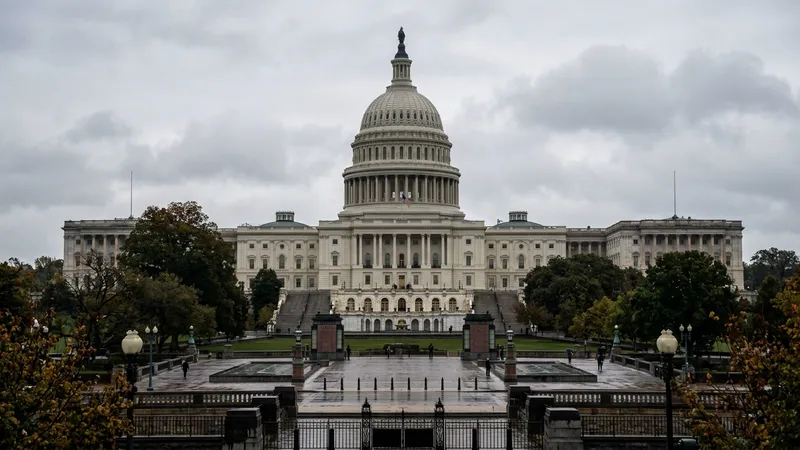
Europe's Billions for Ukraine Spotlight US Congressional Gridlock The European Commission on Wednesday disbursed another €2.9 billion to Ukraine, a move that throws the months-long stalemate over American assistance in Congress into sharp relief. The payment underscores a growing divergence between steadfast European financial commitments and Washington’s political paralysis on funding for Kyiv. ## Background The disbursement is part of the European Union’s Ukraine Facility, a dedicated €50 billion fund designed to provide stable, predictable financial support to Kyiv through 2027. This mechanism supports Ukraine's public administration, helps maintain macroeconomic stability, and underpins reforms as the country continues its defense against Russia’s full-scale invasion. The funds are released as Ukraine meets agreed-upon policy conditions. Meanwhile, a supplemental funding package of approximately $60 billion for Ukraine has remained stalled in the US House of Representatives for months. After passing the Senate with bipartisan support, the bill has not been brought to the floor for a vote by House leadership amid deep divisions within the Republican conference. Proponents stress the urgency of the aid for Ukraine's military, while a vocal contingent of opponents questions the level of US spending and demands other policy priorities be addressed first. ## Why it matters The European Commission's consistent disbursements provide fresh talking points for all sides of the debate on Capitol Hill. White House and Democratic officials will almost certainly point to the €2.9 billion payment as evidence that European allies are doing their part, countering arguments from some Republicans that the US bears an unfair share of the burden. They will argue that American credibility and leadership are on the line and that Congress must act to match the commitment of its partners. Conversely, opponents of the current US aid package may seize on the European funding as a reason for America to scale back its involvement. They could frame the EU's robust support as proof that Europe is capable of managing the crisis in its own neighborhood, lessening the need for massive US outlays. This dynamic turns the EU's action into a political tool that could either break the legislative logjam or further entrench existing positions. ## What to watch The key development to monitor will be how, or if, key federal officials publicly reference this specific European aid disbursement. Watch for statements from the White House, the State Department, or congressional leaders like Speaker Mike Johnson and Senate leaders Chuck Schumer and Mitch McConnell that use the EU's action as leverage. Such comments would signal that the transatlantic aid gap is becoming a central pressure point in the final push to pass a US funding bill.