‘Yes to fields of wheat, no to fields of iron’: how the world’s greenest country soured on solar
Denmark's rapid solar energy expansion faces rural opposition, influencing national elections and leading to project cancellations, despite climate goals.
Lauren Collins ·
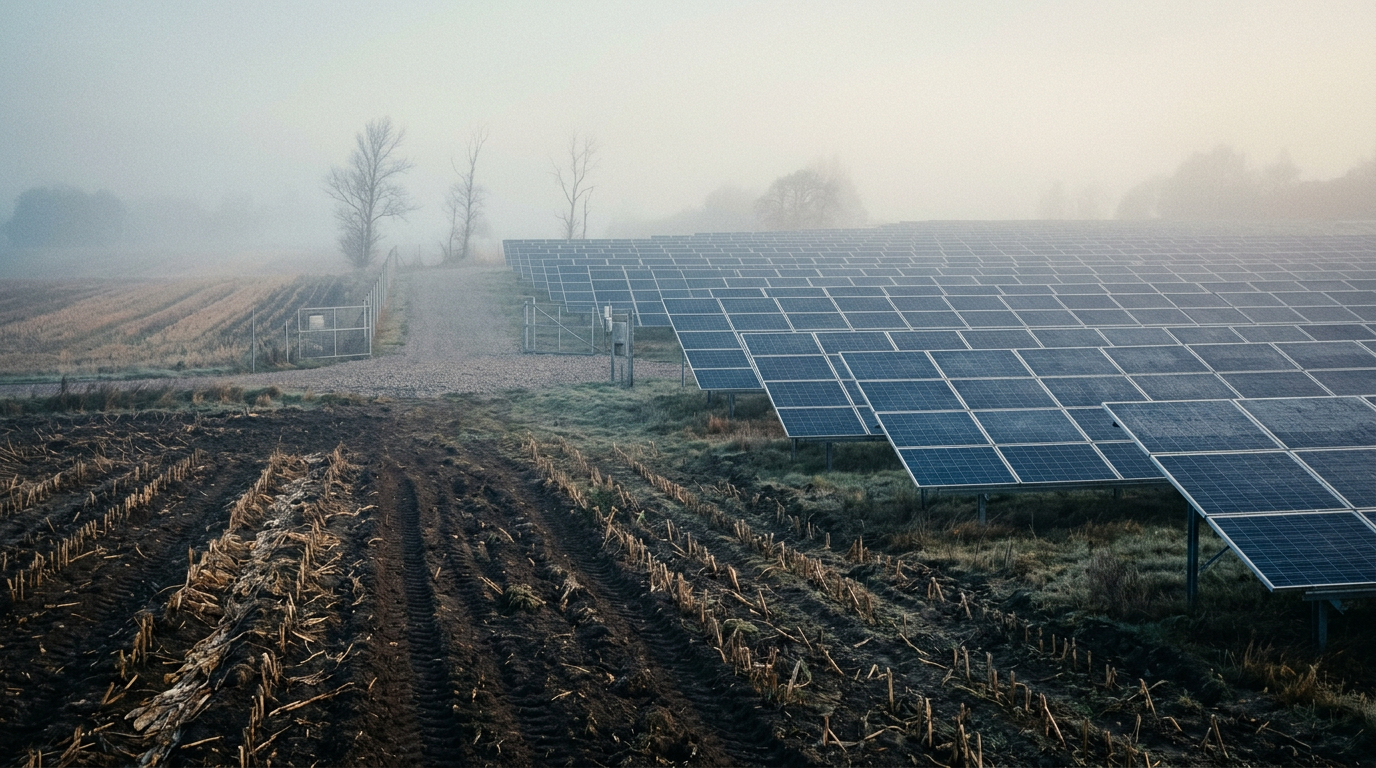
Denmark's ambitious renewable energy transition is encountering significant local resistance, particularly concerning the proliferation of large-scale solar farms in rural areas. This opposition has emerged as a notable factor ahead of national elections scheduled for Tuesday, influencing political discourse and municipal decisions across the country.
The nation has experienced a rapid increase in solar energy's contribution to its power grid, rising from 4% of total electricity production in 2021 to an anticipated 13% by 2025. This swift expansion, while contributing to Denmark's climate objectives, has generated pushback from communities concerned about the visual impact and land utilization associated with extensive solar installations.
Political and Local Impact
Right-wing populist parties, such as the Denmark Democrats, have capitalized on this sentiment, framing the issue as a conflict between national climate targets and local quality of life. The term “jernmarker,” or “iron fields,” reflecting the visual perception of solar farms, was recognized as the Danish word of the year in December, highlighting the cultural resonance of the debate.
This localized discontent has directly affected renewable energy projects. Several municipal elections have seen outcomes influenced by anti-solar farm platforms, leading to the cancellation or postponement of planned developments. For example, the municipality of Køge recently halted a renewable energy park in Vallø, and a solar farm project in Iglsø was stopped by Viborg authorities last month.
National Climate Goals vs. Local Concerns
Despite Denmark's strong commitment to reducing carbon emissions and its high reliance on renewable sources, which already account for 90% of its electricity, the current backlash underscores a growing tension. The country aims to cut planet-heating pollution significantly, yet public acceptance for the necessary infrastructure remains a challenge.
While solar panels currently occupy a small fraction—approximately 0.2%—of Danish agricultural land, the concentration of new projects in specific regions has intensified public discontent. This dynamic illustrates a broader challenge for nations pursuing aggressive renewable energy targets: balancing national environmental imperatives with the concerns and preferences of local communities regarding land use and landscape preservation.
Future Outlook for Danish Renewables
The ongoing debate highlights the complexities of implementing green policies, even in countries with strong environmental credentials. Future renewable energy development in Denmark will likely require more robust community engagement strategies and potentially revised siting policies to mitigate local opposition. The outcome of the upcoming national elections may also reflect the public's stance on the pace and method of the country's energy transition.
Addressing these local concerns will be crucial for Denmark to maintain its leadership in renewable energy while ensuring equitable distribution of the benefits and burdens of green infrastructure. The experience serves as a case study for other nations navigating similar challenges in their own transitions to sustainable energy systems.
Implications
Country Impact: Denmark's ability to meet its ambitious climate targets may be complicated by local opposition to renewable energy infrastructure. This could lead to slower project approvals and increased development costs.
Industry Impact: The renewable energy sector in Denmark faces increased uncertainty and potential delays for new solar farm projects. Developers may need to allocate more resources to community engagement and consider alternative siting strategies.
Market Impact: Investor confidence in Danish renewable energy projects could be affected by political and local resistance, potentially impacting investment flows into the sector. This situation may also influence the valuation of companies involved in large-scale solar development.