Trump DHS Nominee Mullin Faces FEMA Scrutiny
Markwayne Mullin, Trump's DHS Secretary pick, faced scrutiny over his views on FEMA.
Lauren Collins ·
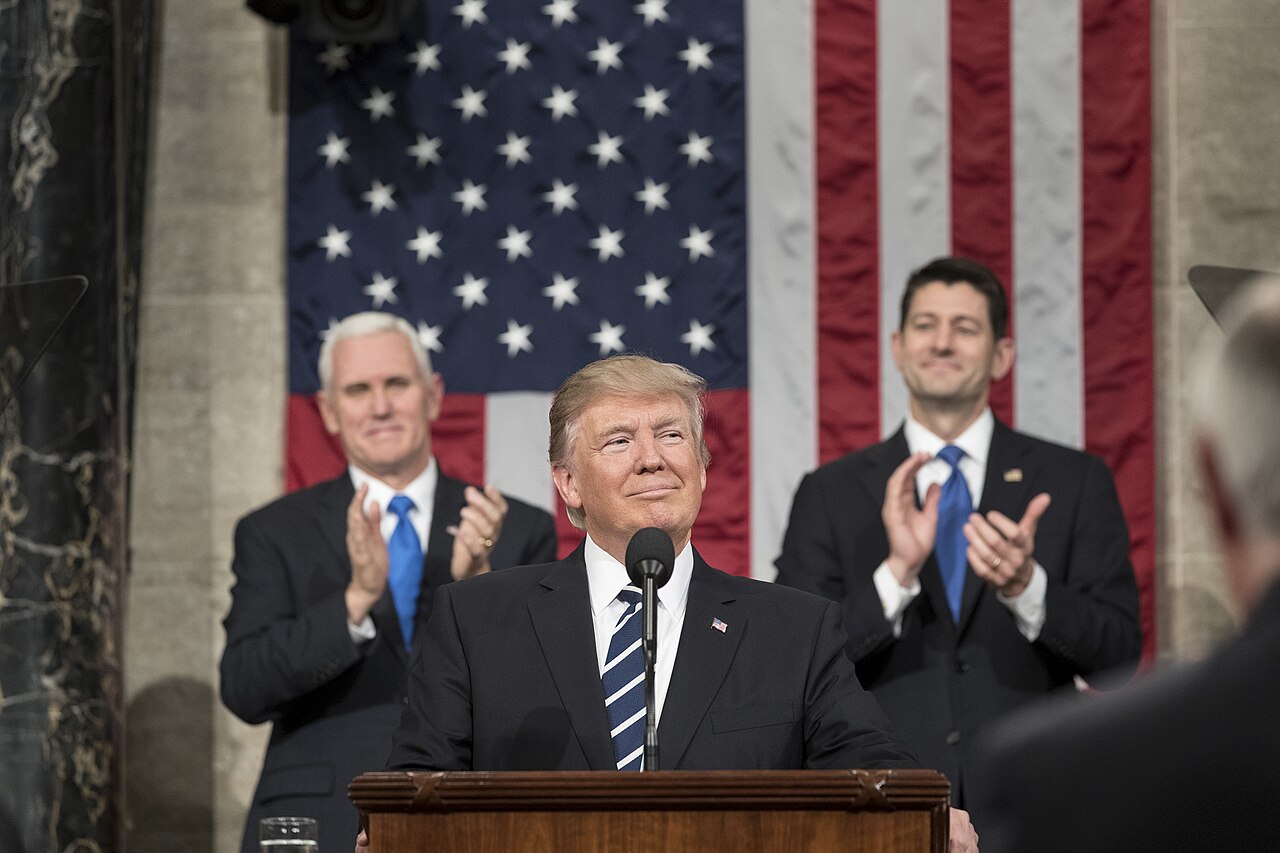
Markwayne Mullin, President Donald Trump's selection for Secretary of the Department of Homeland Security (DHS), encountered significant scrutiny regarding his views on the Federal Emergency Management Agency (FEMA) during his confirmation hearing on October 4, 2024. The Oklahoma Republican senator's remarks prompted apprehension among disaster management professionals and former FEMA officials concerning the agency's operational future and leadership direction.
Mullin stated that FEMA requires "restructuring, not elimination," and pledged to revoke a policy implemented by former DHS Secretary Kristi Noem that mandated personal review of FEMA expenditures exceeding $100,000. However, he did not commit to reversing recent workforce reductions within the agency, suggesting that some government workforces have become "very bloated."
FEMA Workforce Capacity Concerns
A September report from the Government Accountability Office (GAO) highlighted that FEMA's "limited workforce capacity" was hindering its disaster response capabilities. This report noted a 10% reduction in FEMA's workforce during the first half of 2025, raising questions about the agency's ability to manage future emergencies effectively.
Role of Federal Disaster Response
Mullin also articulated his view that FEMA was "never designed to be the first responder," emphasizing its role in assisting states when disaster severity surpasses local capabilities. This perspective has fueled concerns, particularly given his past voting record against significant disaster relief funding measures.
Historical Voting Record and Implications
2 billion aid package designated for victims of Hurricane Sandy. These actions, combined with his recent statements, have intensified worries among current and former FEMA personnel regarding his understanding of federal emergency management principles and his commitment to national disaster preparedness efforts. The potential impact on FEMA's operational effectiveness and its relationship with state and local emergency services remains a key point of discussion.
Outlook for Disaster Preparedness
The confirmation process for Mullin will likely continue to focus on these issues, as lawmakers and disaster preparedness advocates seek clarity on his vision for FEMA. The agency plays a critical role in coordinating federal responses to natural disasters, cybersecurity incidents, and other emergencies, making its leadership and operational philosophy central to national security and public safety.
Any significant shift in FEMA's mandate or capacity could have broad implications for how the United States prepares for and recovers from large-scale crises.
Political and Economic Context
The debate around FEMA's funding and structure occurs within a broader political context of fiscal conservatism and debates over the size and scope of federal government agencies. The economic implications of disaster response, including the costs of recovery and the impact on local economies, are substantial. Mullin's approach could influence future federal spending on disaster relief and the allocation of resources across various government departments responsible for emergency management.