US Geoeconomic Strategy Shifts Towards Military Action
The Trump administration in 2025 shifted US geoeconomic strategy, prioritizing military action over economic statecraft, impacting global stability.
Lauren Collins ·
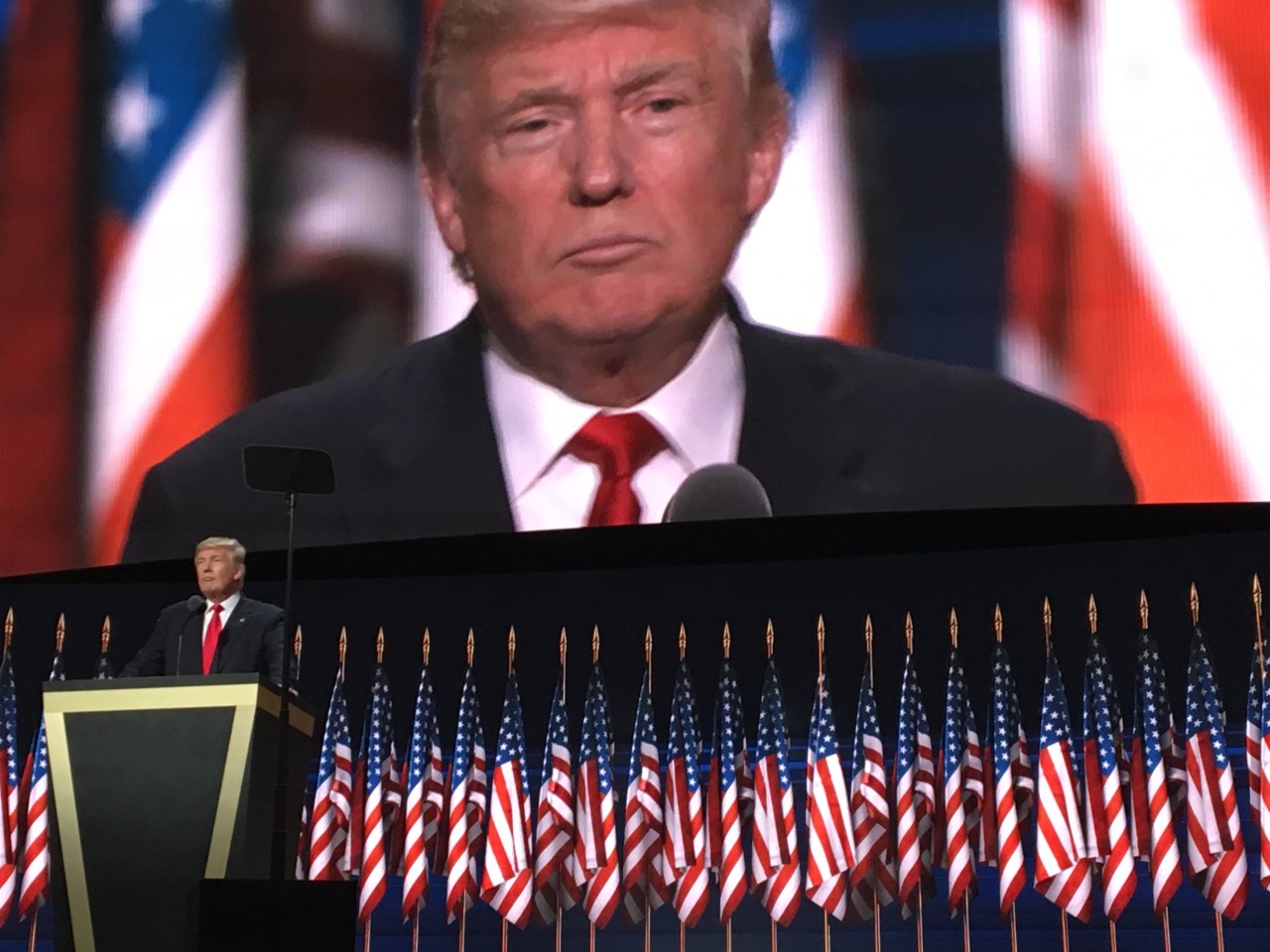
The United States, under the Trump administration in 2025, initiated a notable shift in its foreign policy, prioritizing direct military intervention over traditional economic statecraft. This strategic reorientation became apparent through specific actions, including military engagements in Iran and the apprehension of Nicolás Maduro in Venezuela.
This development suggests a potential reduction in the reliance on economic instruments such as tariffs and sanctions, which have historically been central to U.S. foreign policy. Experts have begun to analyze the implications of this evolving relationship between economic measures and national security objectives.
Historical Context of US Economic Statecraft
Key Events Signaling the Shift
Implications for Global Stability and Trade
Such actions demonstrate that geographical chokepoints can be weaponized in times of conflict, impacting vital shipping routes and challenging the efficacy of traditional geoeconomic policies. The reorientation of U.S. foreign policy raises questions about the future role of economic tools in managing international crises and the potential for increased military engagement in regions of strategic importance.
Future Outlook for International Relations
This new approach could reshape how nations interact, potentially leading to a more volatile international environment where military actions are considered more readily than economic pressures to achieve strategic objectives. The international community will be closely observing how this rebalancing of tools impacts global stability and economic interconnectedness.
Implications
Country Impact: The U.S. shift could lead to increased military interventions globally, altering diplomatic relations and potentially escalating regional conflicts. Nations previously influenced by economic pressure may face different forms of engagement.
Industry Impact: Industries reliant on stable global supply chains, particularly energy and shipping, face heightened risks due to potential disruptions in critical maritime routes. This could lead to increased insurance costs and supply volatility.
Market Impact: Global financial markets may experience increased volatility and uncertainty, especially in commodity markets like oil, due to geopolitical tensions. Investor confidence could be impacted by the perceived shift towards military solutions over economic diplomacy.