Japan Weighs Hormuz Deployment Amid US Pressure
Japan is considering a naval deployment to the Strait of Hormuz following US pressure, balancing alliance commitments with energy security concerns.
Lauren Collins ·
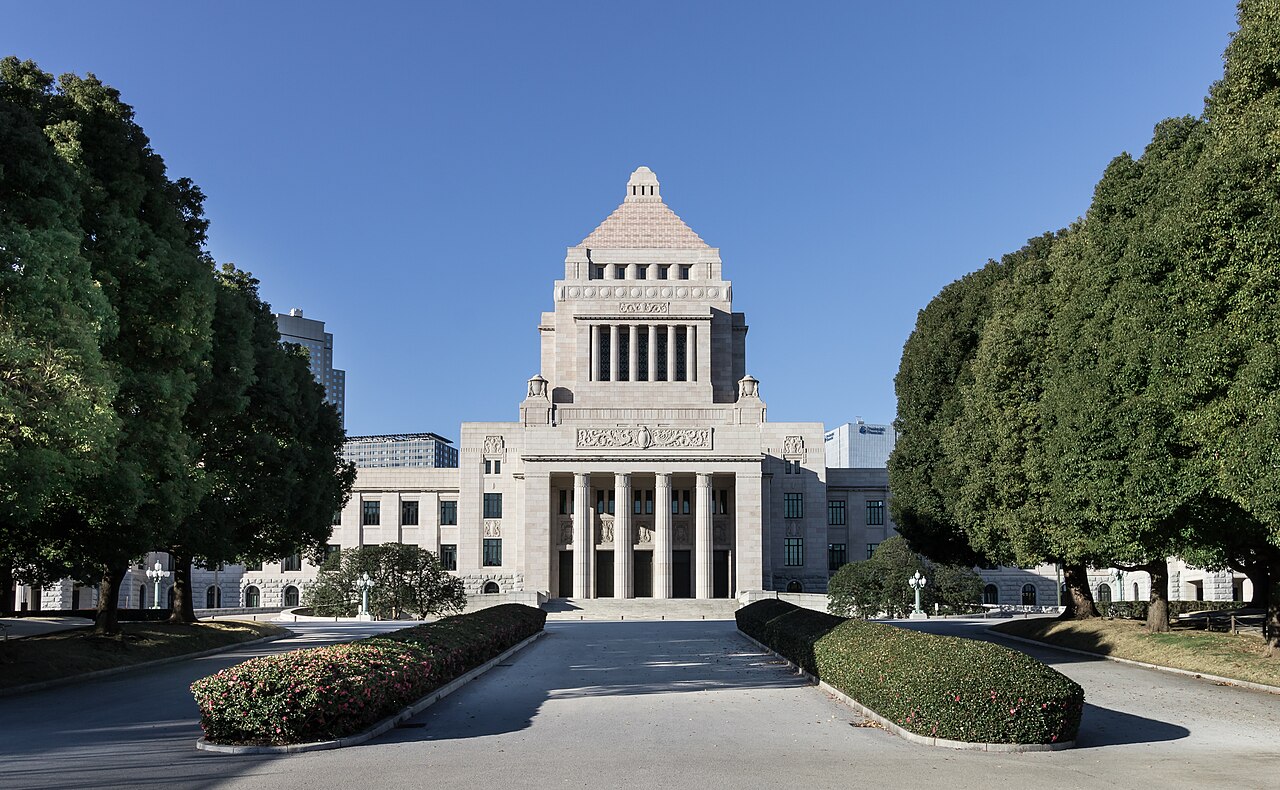
Japan is currently evaluating a potential naval deployment to the Strait of Hormuz, a critical maritime chokepoint, following requests from the United States. This deliberation by Prime Minister Sanae Takaichi's administration reflects Washington's broader strategy to enhance international participation in safeguarding shipping routes in the Persian Gulf region.
The Strait of Hormuz is globally significant, facilitating the transit of approximately one-fifth of the world's daily oil supply. Japan, a nation heavily dependent on oil imports from the Middle East, faces a complex geopolitical decision. The country must balance its long-standing alliance with the United States against potential risks to its energy security and regional stability.
Strategic Considerations for Tokyo
Tokyo's assessment includes examining the legal and operational implications of such a mission. Japan's pacifist constitution and its historical reluctance to project military power internationally present significant hurdles. Any potential deployment would likely focus on non-combat roles, such as intelligence gathering or escort duties, rather than direct military engagement.
Discussions are actively underway within Japan's ruling coalition and among defense officials. These talks aim to define the precise scope and nature of any Japanese contribution to maritime security operations in the Persian Gulf. The United States has been advocating for increased international involvement in the region, particularly in light of heightened tensions with Iran.
Historical Context and Energy Dependence
Japan's energy landscape is heavily reliant on Middle Eastern crude oil, making the security of the Strait of Hormuz a direct national interest. This dependence underscores the strategic importance of maintaining open and secure shipping lanes through the waterway. Historically, Japan has maintained a cautious approach to military deployments abroad, primarily focusing on self-defense and humanitarian missions.
The current deliberations represent a potential shift in Japan's foreign policy and defense posture. While strengthening its alliance with the U.S. is a priority, the government must also mitigate the risks of entanglement in regional conflicts. The outcome of these internal discussions will shape Japan's role in international maritime security and its relationship with key global partners.
Regional Security Dynamics
The broader context involves ongoing geopolitical tensions in the Persian Gulf, which have periodically threatened the stability of oil transit. The U.S. initiative seeks to create a multinational coalition to deter potential disruptions and ensure the free flow of commerce. Japan's participation would lend significant diplomatic and operational weight to such an effort.
Ultimately, the decision will hinge on a careful calculation of national interests, constitutional constraints, and alliance obligations. The Japanese government's final determination will have implications not only for its own security and energy policy but also for the wider dynamics of international cooperation in critical maritime regions.
Implications
Country Impact: Japan's decision could redefine its post-war defense posture, potentially increasing its international security commitments while navigating constitutional limitations. It also impacts its energy security strategy.
Industry Impact: The stability of oil shipments through the Strait of Hormuz directly affects global energy markets, particularly for oil-dependent economies like Japan. Increased security could stabilize supply chains.
Market Impact: Any perceived increase or decrease in security in the Strait of Hormuz can influence global oil prices and shipping insurance costs, impacting commodity markets and trade routes.