Kenya Drought Crisis Deepens, Affecting Millions
Kenya's severe drought affects 3.4 million people across 23 counties, causing food insecurity and water shortages since March 2026.
Lauren Collins ·
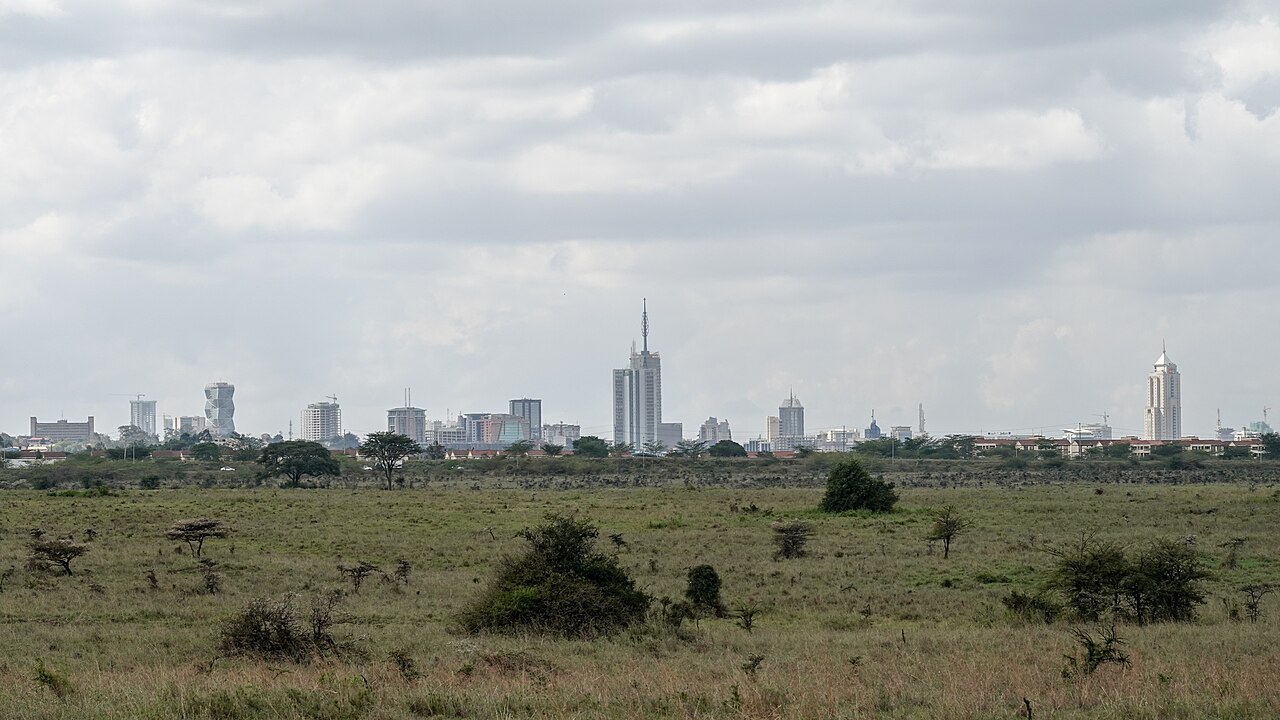
Kenya is currently grappling with a severe drought impacting 23 of its 47 counties, affecting an estimated 3.4 million people. This crisis, which commenced in March 2026, has led to significant food insecurity and malnutrition, particularly concentrated in Turkana county. The ongoing dry spell follows a previous severe drought that afflicted the nation between 2020 and 2023, intensifying humanitarian challenges despite the recent rainy season.
Humanitarian Impact and Resource Strain
The drought has created critical water shortages across affected regions. Residents in areas such as Kainama, Turkana, are compelled to travel extensive distances daily to access scarce and often unsanitary water sources. The livestock population, vital for the sustenance of pastoral communities, is experiencing significant losses, placing approximately 350,000 households in Turkana at risk of starvation.
Paradox of Scarcity Amidst Abundance
Despite the widespread water scarcity, Kenya faces a complex situation where Lake Turkana's water levels have paradoxically risen. Furthermore, a September report by the World Resources Institute (WRI) indicated that up to 40% of the food produced nationally is lost or wasted each year. This highlights a critical disconnect between resource availability and effective distribution or utilization.
Untapped Water Resources and Utilization Challenges
Kenya possesses substantial untapped water reserves, including the Napuu and Lotikipi aquifers, discovered in 2013. The Lotikipi aquifer alone is estimated to contain 250 trillion liters of water. However, the high salinity of these underground sources and the considerable costs associated with purification have impeded their practical utilization for affected communities. This presents a long-term challenge for sustainable water management.
Security Concerns and Aid Delivery
The scarcity of resources has exacerbated existing tensions, leading to increased competition and insecurity. Incidents of cattle raiding and banditry have become more frequent, complicating the delivery of humanitarian aid to vulnerable populations. These security challenges further compound the difficulties faced by both aid organizations and affected communities in accessing essential supplies.
Government and Agency Response
In response to the escalating crisis, both the Kenyan government and various aid agencies are distributing relief food and water to the affected areas. However, the scale of the drought and the logistical complexities involved mean that resources remain strained. The ongoing efforts aim to mitigate the immediate impacts of the drought, but a comprehensive, long-term strategy addressing water management, food security, and regional stability is crucial for future resilience.
Implications
Country Impact: Kenya faces significant internal displacement and increased humanitarian needs, straining national resources and potentially impacting social cohesion. Long-term food security and water management strategies are critical for national stability.
Industry Impact: The agricultural sector, particularly livestock farming, is severely impacted, leading to economic losses for pastoral communities. This could necessitate increased imports of food and agricultural products, affecting trade balances.
Market Impact: The crisis may lead to increased food prices within Kenya due to scarcity, impacting household purchasing power. International aid and commodity markets could see increased demand for relief supplies, potentially influencing regional market dynamics.