Iran Faces Worsening Mental Health Crisis Amid Instability
Iran's population faces a growing mental health crisis due to geopolitical tensions, domestic repression, and economic hardship, increasing anxiety and PTSD.
Lauren Collins ·
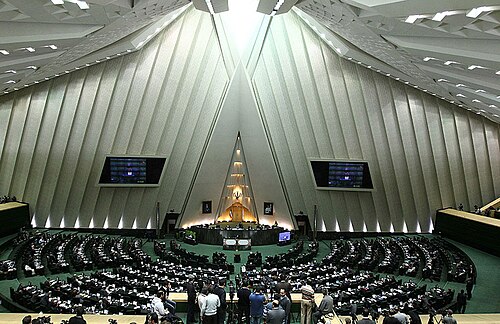
Iran's population is experiencing a significant increase in psychological distress, driven by a confluence of geopolitical tensions, domestic repression, and severe economic challenges. This environment has fostered widespread fear and insecurity among citizens, impacting daily life and long-term well-being.
Recent military actions, including reported strikes by Israel and the United States against Iranian targets, contribute to a climate of external threat. Simultaneously, the Iranian government's forceful response to internal dissent, particularly protests, has intensified feelings of vulnerability and lack of safety within the country.
Domestic Repression and Economic Strain
Beyond external pressures, the Iranian government maintains stringent social controls. These include strict enforcement of dress codes, particularly for women, with severe penalties for non-compliance. Such policies add another layer of stress and restriction to daily existence for many.
International sanctions have further exacerbated economic hardships for the general populace. These measures frequently lead to inflation, unemployment, and reduced access to essential goods and services, directly affecting household stability and individual financial security.
Psychological Impact on Citizens
Experts note that prolonged exposure to such multifaceted instability significantly elevates the risk of mental health conditions. Dana Churbaji, a psychologist at the University of Münster in Germany, highlights that chronic violence and insecurity are directly linked to higher rates of post-traumatic stress disorder (PTSD), anxiety disorders, and depression within affected populations.
This constant state of stress fundamentally alters individuals' perceptions of their personal safety and their future prospects. The erosion of a sense of security can lead to a heightened state of alert and a diminished capacity to cope with everyday stressors.
Societal Consequences and Outlook
In environments marked by existential uncertainty, basic needs such as reliable access to electricity, food, and digital communication become critical. When these fundamental requirements are threatened, stress tolerance decreases, potentially leading to an escalation of minor disagreements into more significant conflicts within communities.
The cumulative effect of these pressures creates a challenging social landscape. The long-term implications for public health and social cohesion in Iran remain a significant concern for international observers and mental health professionals alike. Addressing these deep-seated issues would require a multifaceted approach to both internal and external factors contributing to the current instability.
Implications
Country Impact: Iran faces a deepening public health crisis due to widespread psychological distress, potentially leading to decreased productivity and social instability. The government's legitimacy may further erode as citizens grapple with economic hardship and repression.
Industry Impact: The mental health sector in Iran is likely under severe strain, requiring increased resources and support. Industries reliant on a stable workforce may experience reduced output and efficiency due to widespread anxiety and stress.
Market Impact: Increased instability and social unrest could deter foreign investment and exacerbate capital flight. The Iranian economy, already burdened by sanctions, may see further contraction as consumer confidence and spending decline.