World Cup Venues Prohibit Vuvuzelas, Noise Makers
FIFA has prohibited vuvuzelas and other loud noise-making devices from World Cup venues in 2026, aiming to manage the atmosphere.
Liam Walsh ·
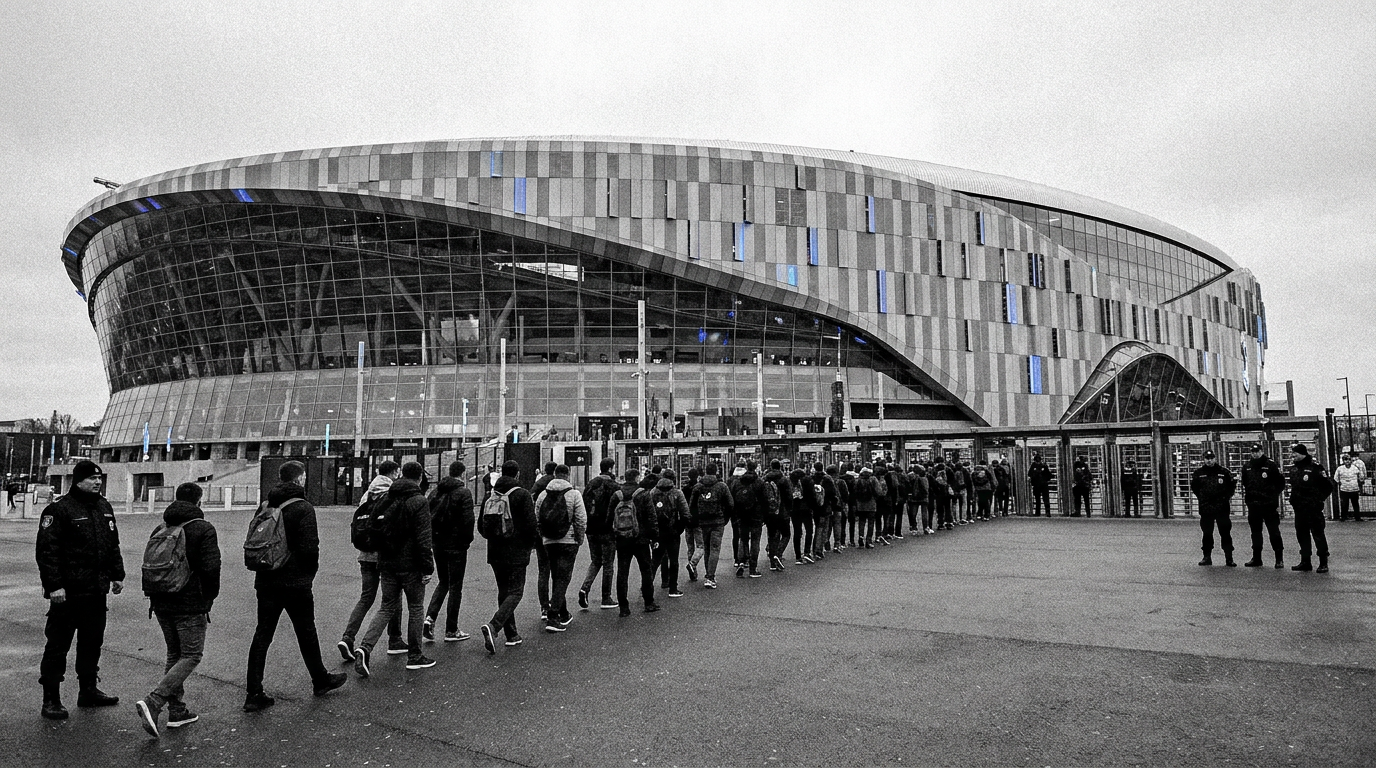
FIFA recently announced a ban on vuvuzelas and other excessive noise-making devices at the upcoming 2026 World Cup across host nations the United States, Canada, and Mexico. This decision, outlined in the stadium code of conduct, aims to regulate the in-venue experience for spectators.
These prohibited items include whistles and air horns, alongside the polarizing plastic horns that gained global prominence. The international football governing body is establishing clear guidelines for fan behavior and permissible items within all 16 designated venues.
Stadium Regulations and Prohibited Items
Beyond audible distractions, FIFA's stadium regulations also extend to visual devices, specifically banning instruments that emit laser beams, laser pointers, or similar emissions. This comprehensive approach addresses various potential disruptions during matches.
The code of conduct further specifies that body paint and temporary tattoos do not qualify as clothing. It explicitly prohibits actions such as streaking, flashing, or removing attire to expose intimate body parts, emphasizing a standard of decorum for attendees.
Vuvuzelas' Controversial Past
Vuvuzelas, recognizable by their long plastic shell, are traditionally associated with South African soccer. They achieved global notoriety during the 2010 World Cup hosted in South Africa, becoming a defining sound of the tournament.
Despite their cultural significance in some contexts, the instruments have frequently drawn criticism for their continuous, monotonous droning sound. Many observers have likened the incessant noise to a buzzing swarm, provoking debates among fans and broadcasters alike regarding stadium acoustics and match enjoyment.
Implications for Fan Experience
The ban represents an effort by FIFA to manage the sonic landscape and overall ambiance of World Cup matches. By removing divisive noise-makers, organizers aim to create a more universally appealing and less distracting environment for both spectators and participants.
This regulation aligns with broader efforts to standardize event management across major international sporting competitions. Future tournaments may continue to refine such guidelines to balance fan engagement with presentation quality.