Death Valley Wildflowers Bloom, Best Since 2016
Death Valley National Park is experiencing its most significant wildflower superbloom since 2016, drawing visitors to the transformed desert landscape.
Cuneyd Erdogan ·
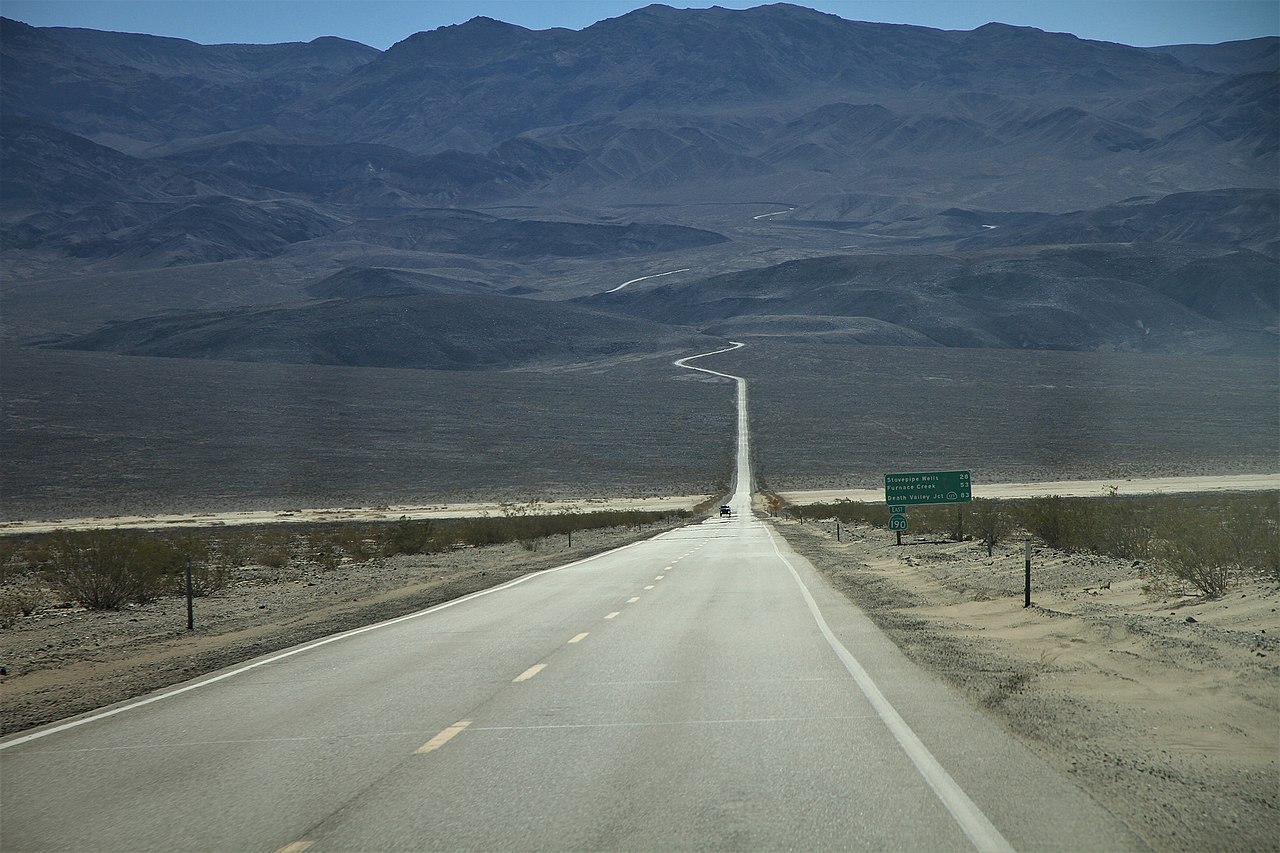
Death Valley National Park is currently experiencing a rare and extensive wildflower bloom, marking the most significant display since 2016. This natural phenomenon, often referred to as a 'superbloom,' transforms the arid desert landscape into a vibrant tapestry of color, drawing considerable public attention and increasing visitor numbers to the remote park.
Uncommon Desert Bloom
The current wildflower event in Death Valley is characterized by widespread growth across various elevations and sections of the park. Species such as desert gold, evening primrose, and various types of lupine are prominent, creating dense patches of color that are typically absent from the stark desert environment. The intensity and breadth of this year's bloom are comparable to the notable events of 2005 and 2016.
Climatic Conditions for Superblooms
Superblooms in Death Valley are contingent upon a specific sequence of climatic conditions. They require substantial rainfall during the autumn and winter months, which helps to wash protective coatings off dormant wildflower seeds and provides the necessary moisture for germination. This must be followed by mild temperatures and minimal wind during the spring, allowing the delicate plants to grow and flower without being desiccated or damaged.
Ecological Significance
These infrequent blooms play a crucial ecological role within the Death Valley ecosystem. They provide a temporary but abundant food source for insects, birds, and small mammals, contributing to the biodiversity of an otherwise challenging habitat. The rapid life cycle of these annual plants is a testament to their adaptation to extreme desert conditions, where they must complete their growth and reproduction before the onset of intense summer heat.
Visitor Impact and Management
The spectacle of a superbloom significantly boosts tourism to Death Valley National Park. Visitors travel from around the world to witness the transformation, leading to increased traffic, demand for accommodations, and heightened park ranger activity. Park officials typically issue advisories on responsible viewing, emphasizing the importance of staying on designated trails to protect the fragile ecosystem and prevent damage to the wildflowers.
Historical Context of Blooms
While smaller wildflower displays occur annually, true 'superblooms' are rare, often happening only once a decade or less. The 2016 event was particularly memorable, following a strong El Niño weather pattern that delivered exceptional rainfall. Prior to that, the 2005 bloom was widely documented for its extensive coverage. These events highlight the dramatic variability of desert climates and the resilience of life in extreme environments.
Future Outlook
The duration of the current bloom is dependent on prevailing weather conditions, particularly the onset of higher temperatures. As spring progresses and temperatures rise, the wildflowers will gradually fade. However, the seeds produced during this period will contribute to the seed bank, awaiting future favorable conditions for another potential superbloom, reinforcing the cyclical nature of life in Death Valley.
Implications
Country Impact: The superbloom enhances domestic tourism, drawing visitors from across the United States to Death Valley National Park. This influx supports local economies surrounding the park through increased spending on lodging, food, and services.
Industry Impact: The tourism and hospitality industries in the Death Valley region experience a significant boost during a superbloom. Hotels, tour operators, and local businesses see increased demand, providing a temporary economic uplift.
Market Impact: While direct market impact is limited, the event can indirectly influence travel-related stocks or regional tourism investments. The natural spectacle also generates positive media attention, potentially increasing long-term interest in national parks and ecotourism.