Hormuz Strait Reopening: Shipping Delays Persist
Strait of Hormuz reopening may not quickly ease oil and shipping disruption, analysts said April 12, 2026, citing insurer caution and vessel imbalance.
Atlas Newsdesk ·
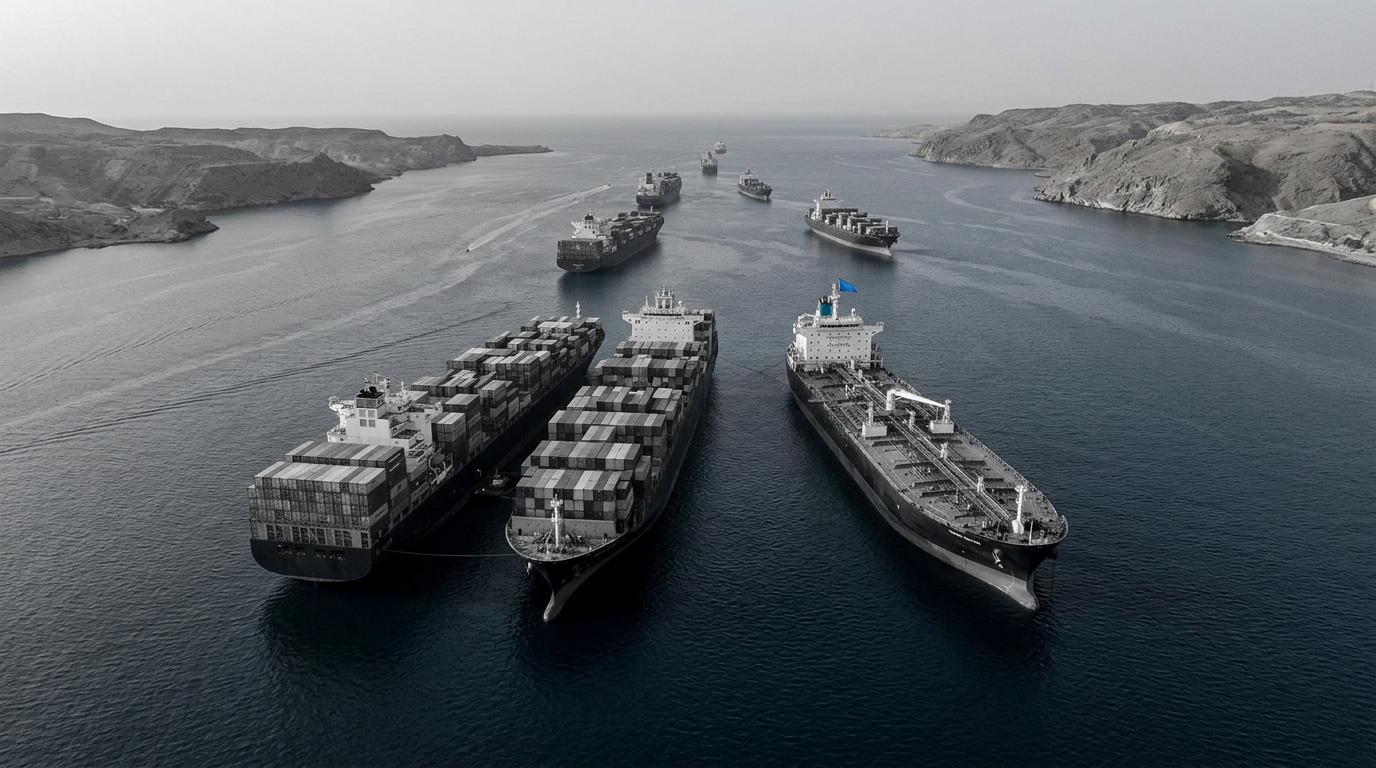
Market analysts said on April 12, 2026 that even a full reopening of the Strait of Hormuz is unlikely to quickly unwind higher oil prices and the shipping disruptions tied to the recent stoppages. The strait is a central route for energy and goods moving out of the Persian Gulf, but the near-term constraint is not only access to the waterway. Analysts said confidence among ship operators and insurers remains too weak for a rapid restart of normal traffic.
Despite the prospect of a ceasefire, shipping companies and insurers are still hesitant to send empty vessels into the Persian Gulf to pick up new cargo. The concern, analysts said, is that a ceasefire could prove temporary or fragile, leaving ships exposed to renewed disruption and potentially stuck for extended periods. That risk is shaping operational decisions even if outbound movements resume.
Lale Akoner, a global market analyst at eToro, said a two-week ceasefire would not be enough to reassure operators. In that scenario, the immediate benefit would come mainly from loaded ships leaving the strait, but analysts warned that relief would fade quickly if inbound traffic does not return. Without empty vessels arriving to load new barrels and goods, export capacity cannot be sustained at normal levels.
Data shared by Matt Smith of Kpler illustrates the imbalance: over 400 loaded oil tankers are waiting to depart the Gulf, while only approximately 100 empty tankers are available to enter. The daily number of oil tankers transiting the strait has fallen sharply, dropping from over 100 to fewer than 10 . Analysts said this mismatch between outbound and inbound ships is a key reason disruptions could persist even after a reopening.
The disruption is not limited to crude and refined products. About 100 container ships are waiting to exit, with virtually none entering, according to the same assessments. That is constraining exports of goods including fertilizer, which analysts said represents 30% of global supply from the region, adding pressure to trade flows beyond energy.
Experts said oil flows may not return to normal until July , even if the strait fully reopens today. They attributed that timeline to the inbound-outbound vessel imbalance and the operational steps required for producers to restart and secure tankers. The key uncertainty, analysts said, is whether stability will be seen as durable enough for insurers and operators to resume routine scheduling into the Gulf.