War in Iran: Traders Face Billions in Losses as Energy Markets Roil
Commodity traders lost billions early in the Iran war, a report said, after a sudden surge in global energy benchmarks outpaced strategies.
Atlas Newsdesk ·
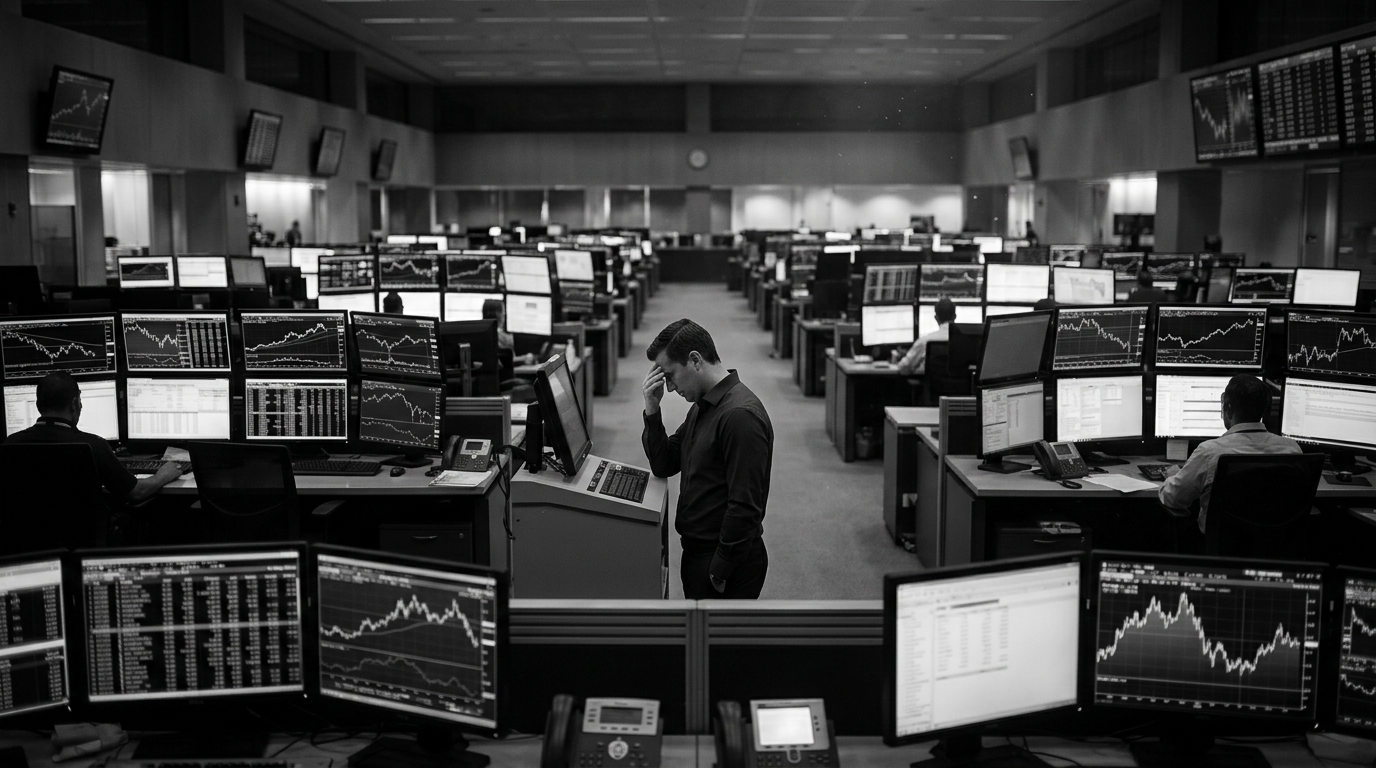
Commodity trading firms suffered billions of dollars in losses in the early stage of the Iran war , according to a recent report, after a sudden jump in energy prices moved faster than many strategies could adjust. The report describes an environment in which firms that often aim to benefit from volatility instead faced sharp setbacks. It says the conflict’s start was followed by an immediate surge in major global energy benchmarks.
The report attributes the losses to the speed and scale of the price moves rather than a slow, tradable trend. It says the rapid escalation in energy prices created conditions that were difficult for some trading approaches to manage in real time. As a result, the early phase of the conflict produced a trading backdrop that proved unfavorable across parts of the commodity sector.
Commodity traders typically operate across physical supply chains and financial markets, using a mix of hedging, inventory management, and derivatives to manage risk and capture price dislocations. The report indicates that, in this case, the market’s abrupt repricing reduced the effectiveness of strategies that depend on more gradual adjustments or more predictable patterns.
It also underscores that even experienced participants can be exposed when price action becomes extreme and compressed into a short window.
What happened is that the onset of the Iran war coincided with a sharp rise in global energy benchmarks, and the report says that move translated into billions in early losses for commodity firms. What it means is that the episode highlights how geopolitical shocks can turn volatility from an opportunity into a source of broad, simultaneous drawdowns, particularly when market moves outpace risk controls and rebalancing processes.
Beyond individual firms, the report’s account points to wider sensitivity in energy-linked markets during periods of geopolitical stress. When energy benchmarks reprice quickly, the effects can ripple through related commodity exposures and financing arrangements that depend on stable collateral values and orderly market functioning. The report does not detail which firms were affected or how losses were distributed, but it characterizes the impact as widespread across the sector.
Key uncertainties remain, including how long the elevated volatility persists and whether price movements continue to occur in abrupt bursts rather than in tradable ranges. The report emphasizes that extreme, rapid shifts can overwhelm strategies designed around incremental changes, reinforcing the inherent risk in commodity trading during crises.
It also suggests that the early phase of the conflict delivered a reminder that market behavior can deviate sharply from expectations when geopolitical events drive sudden repricing.